
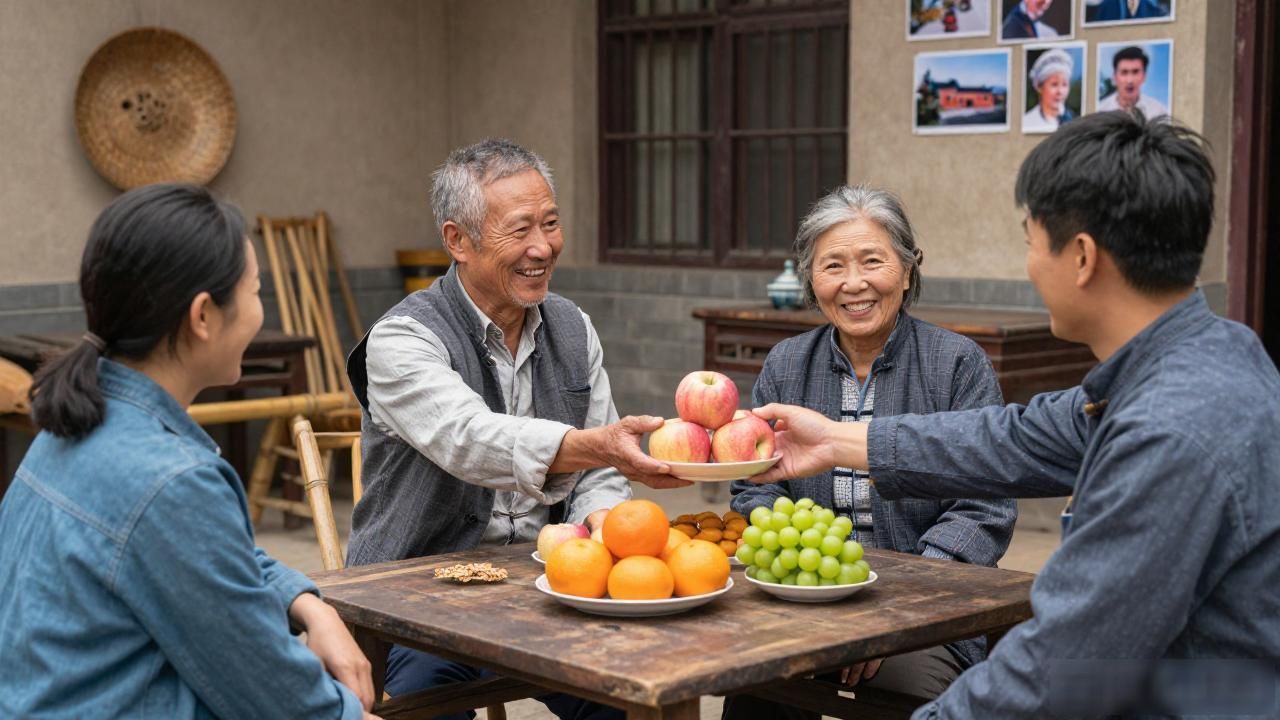
There is something deeply rewarding about staying in a rural Chinese home instead of a hotel. You eat what the family eats, learn their daily routines, and hear stories that never make it into travel guides. A rural homestay with local families in China is not just accommodation—it is an invitation into real Chinese life. I have spent weeks in villages across Yunnan, Guizhou, and Fujian, and each experience shifted the way I understand this country.
What to expect from a rural homestay in China
When you arrive, the host family will greet you at the door with warm smiles and sometimes a bit of nervous English. They usually live in a multi-generational household, and you will likely share a private room with an attached bathroom, though older homes may have shared facilities. Meals are a central part of the experience. Breakfast might be congee with pickled vegetables, while dinner features freshly picked vegetables from the garden and meat from their own livestock.

You will notice that privacy works differently here. Family members may drop by your room unannounced, bring you fruit, or ask gentle questions about your life back home. This is not intrusion—it is hospitality. Chinese families treat guests as temporary family members, and that distinction matters more than you might expect.
Evening routines revolve around the television or the courtyard. Elders sit on bamboo chairs, children chase each other with flashlights, and the sky above is so clear you can see the Milky Way. There is no Wi-Fi in many homes, and that absence becomes a gift rather than a frustration.
How to find authentic family stays in Chinese villages
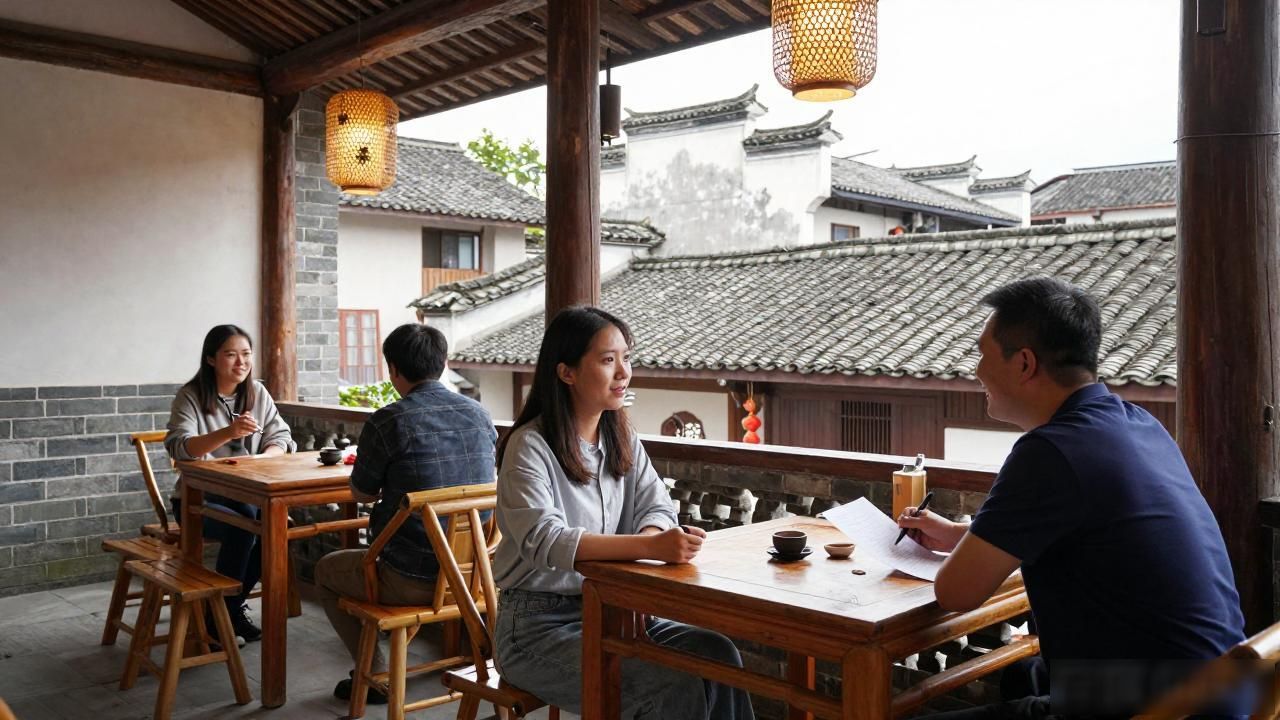
Booking a rural homestay requires a different approach than reserving a city hotel. Platforms like Ctrip and Fliggy list many options,but the most authentic family stays are rarely advertised online. The best strategy is to reach a county town by bus or train, then ask at a local guesthouse or teashop for family-run rooms. A simple phrase in Chinese—accompanied by gestures—goes surprisingly far.
Word of mouth still dominates in rural areas. If you befriend a shopkeeper or a taxi driver, they will often call their relatives to see if they have a spare room. This process takes time, but the reward is a stay that no algorithm could recommend. The most memorable homestays are never found through search engines—they are offered as gifts of kindness.
Payment is usually arranged in cash, and prices are remarkably low. A room with two meals can cost between 80 and 200 yuan per night, depending on the region. Tipping is not expected, but bringing small gifts—fruit, candy, or items from your hometown—is a thoughtful gesture that families treasure.
Why homestays offer the best local experience in China
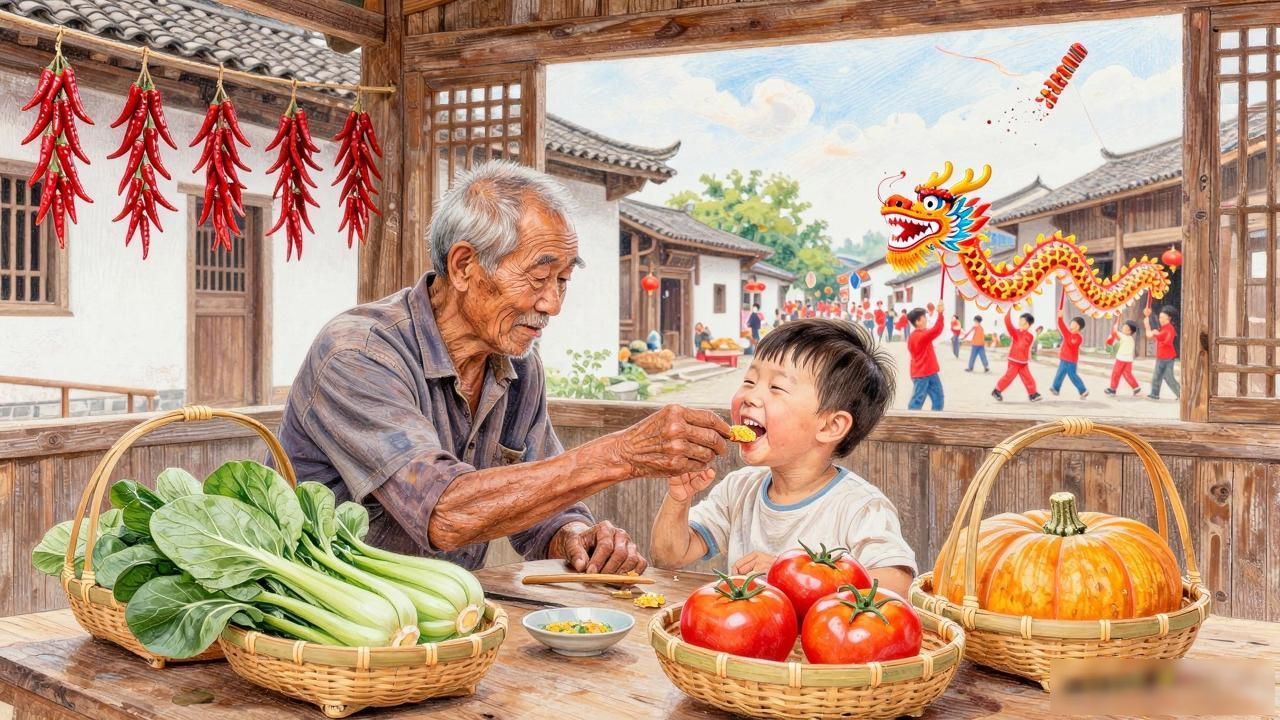
Hotels show you a curated version of a place. Homestays show you the unfiltered reality. You learn which vegetables are in season, how grandparents raise grandchildren while parents work in distant cities, and why certain festivals still matter in villages that time seems to have passed over. These moments of genuine human connection are what transform a trip into a memory.
Foreign travelers often leave rural China with a completely different impression than the one they arrived with. The stereotypes about slow development dissolve when you sit at a wooden table and share a meal with people who have never left their county but possess a wisdom that no guidebook can teach.
If you are willing to step outside the tourist circuit, a rural homestay with local families in China will give you something far richer than a photograph—it will give you a piece of a life you would otherwise never touch.