

The Dong people are one of China’s most culturally rich ethnic minorities, living primarily in the mountainous regions of Guizhou, Hunan, Guangxi, and parts of southern China. Their villages are unlike anything you’ll find in typical tourist guides — ancient drum towers, graceful wind-and-rain bridges, and terraced rice fields carved into hillsides over centuries. What makes Dong villages truly special is that they are still lived-in communities, not open-air museums. Travelers who venture here discover a way of life that has resisted the fast pace of modern China, preserved through oral traditions, communal living, and architectural styles passed down without blueprints.
What to See in Dong Villages
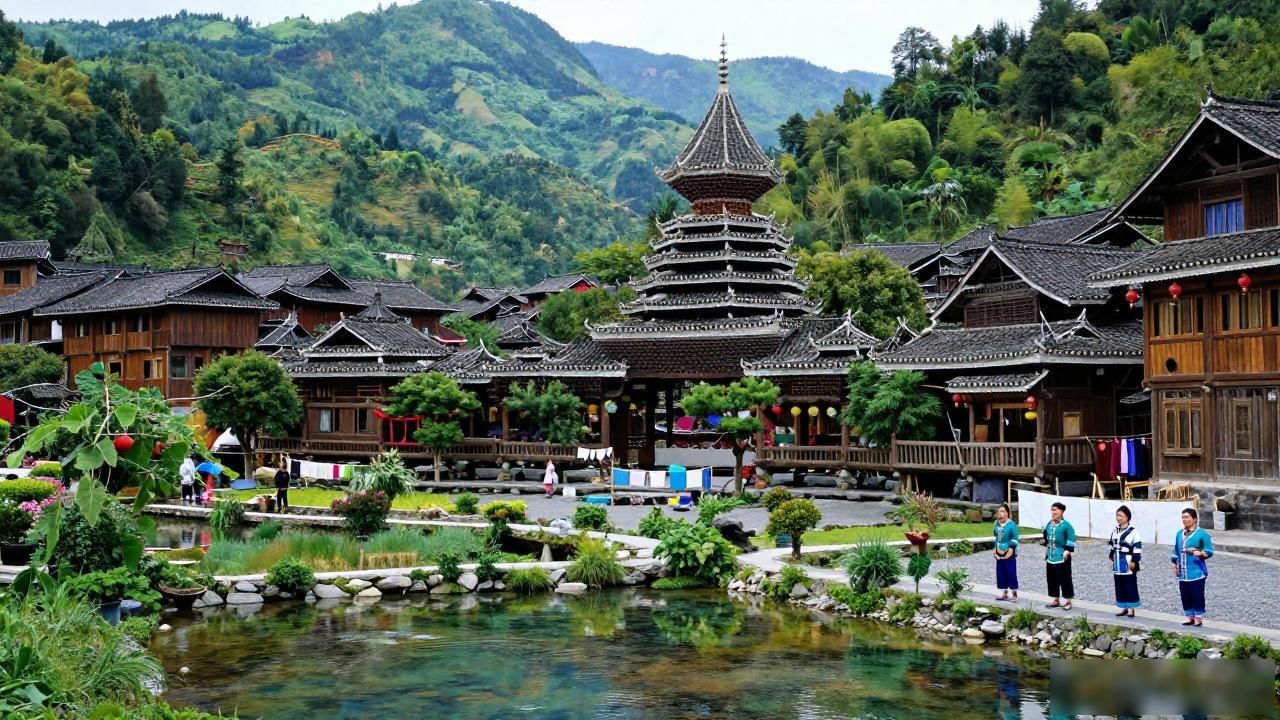
The most iconic structures in any Dong village are the drum towers and wind-and-rain bridges. Drum towers serve as community gathering spaces and historically functioned as warning signals during times of conflict. Built entirely without nails, these towering wooden structures are engineering marvels that reflect the Dong people’s deep understanding of timber joinery. The Xidun Drum Tower in Congjiang County and the Wangmo Drum Tower in Liping County are two of the most photographed examples.

Wind-and-rain bridges, known locally as “廊桥,” are equally remarkable. These covered bridges feature roofed walkways protected by eaves, allowing villagers to cross rivers regardless of weather. Some span over fifty meters and include small shrines and resting areas. Visiting during the early morning hours reveals the most authentic scenes — locals walking to fields, children heading to school, and elderly residents maintaining the bridges in a practice that continues to this day.
Real Experiences Beyond the Sights
The best way to understand Dong culture is through participation. Many villages now offer homestay programs where visitors sleep in traditional wooden stilt houses, eat meals prepared with locally grown ingredients, and join community activities. A highlight is the Dong grand song, a form of polyphonic singing recognized by UNESCO as an intangible cultural heritage. This style requires no instruments — multiple vocal lines weave together naturally, often performed during festivals or evening gatherings around a fire.
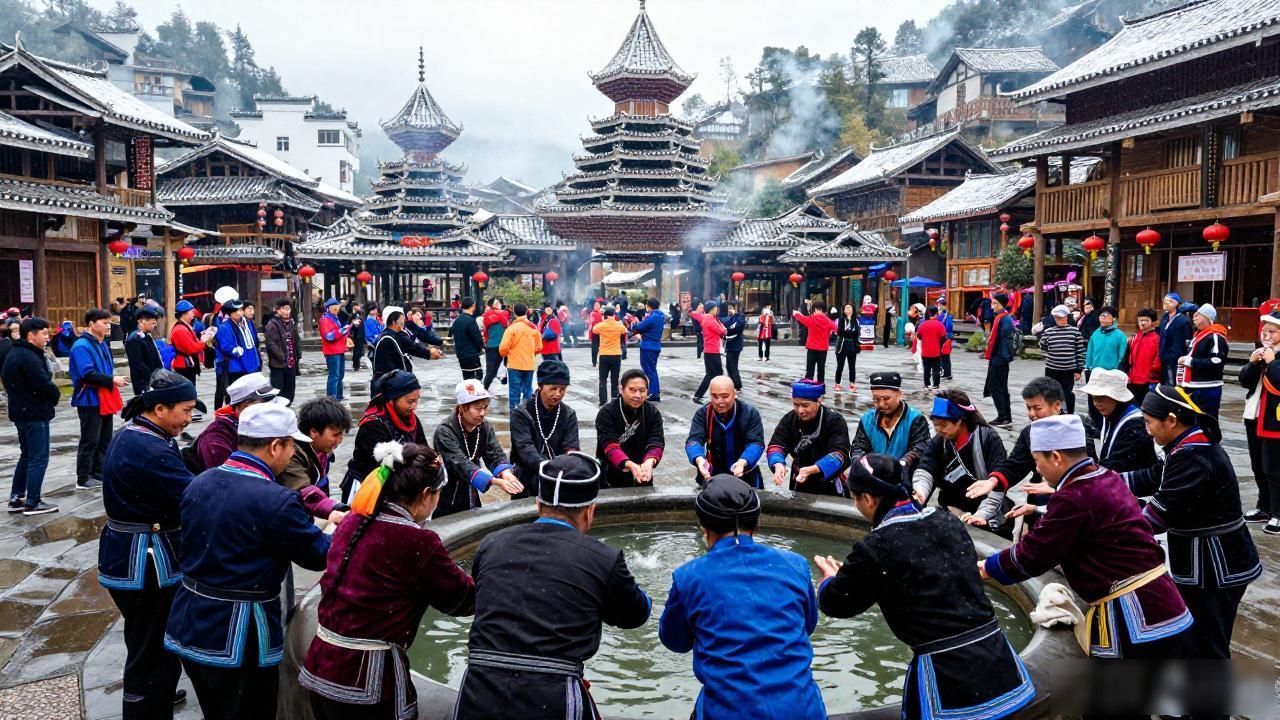
Festival visits offer the richest cultural immersion. The Snow Water Festival, celebrated on the fifteenth day of the first lunar month, features water-sharing rituals between neighboring villages that symbolize unity and friendship. The March Third Festival brings together young people in traditional embroidered costumes for singing competitions and courtship rituals that have remained largely unchanged for generations.
Practical Tips for Visiting
Most travelers reach Dong villages through Kaili or Congjiang in Guizhou Province. The remote location means infrastructure is limited, so expectations should be adjusted accordingly. Comfortable footwear is essential since villages are built on mountain terrain with stone paths and wooden walkways. The best time to visit is between April and October when the weather is mild and agricultural cycles are at their most visually striking.
Always ask permission before photographing people, as some residents consider it intrusive. Learning a few basic phrases in Mandarin goes a long way,though younger villagers often speak some English. Supporting local homestays and purchasing handcrafted Dong embroidery directly from artisans ensures your visit benefits the community rather than external operators.
These villages may feel worlds away from urban China, but they remain deeply connected to it. The Dong people have managed to preserve their distinct identity while adapting to modern changes, making them one of the most fascinating cultural destinations for travelers seeking authenticity rather than spectacle.