

Navigating a new country is always thrilling, but China presents a unique challenge. The digital ecosystem here operates differently from what most Western travelers are used to. Cash is nearly obsolete, and many everyday services rely entirely on smartphone apps. After spending years exploring this vast country, I’ve learned that being prepared with the right tools makes all the difference between a stressful trip and a smooth one. Let me walk you through the apps that genuinely changed my experience.
What Apps Do Foreigners Need in China

The two apps you absolutely cannot leave home without are Alipay and WeChat. These aren’t just payment tools, they are your digital lifeline. Alipay accepted by nearly every shop, restaurant, and even street vendors across the country. Setting it up is straightforward, and linking your international credit card works seamlessly in most places. WeChat serves a similar purpose but adds an invaluable social layer. You can message locals, join travel groups, and find recommendations from real people who have been where you are going.
Getting around China is effortless once you have the right apps installed. DiDi is the Chinese equivalent of Uber and works incredibly well in major cities. The interface is available in English, and you can pay through Alipay without any hassle. For long-distance travel, the official railway app 12306 lets you book train tickets directly. High-speed trains connect virtually every city, and booking in advance saves you from long queues at the station.
Which Apps Help With Language and Navigation
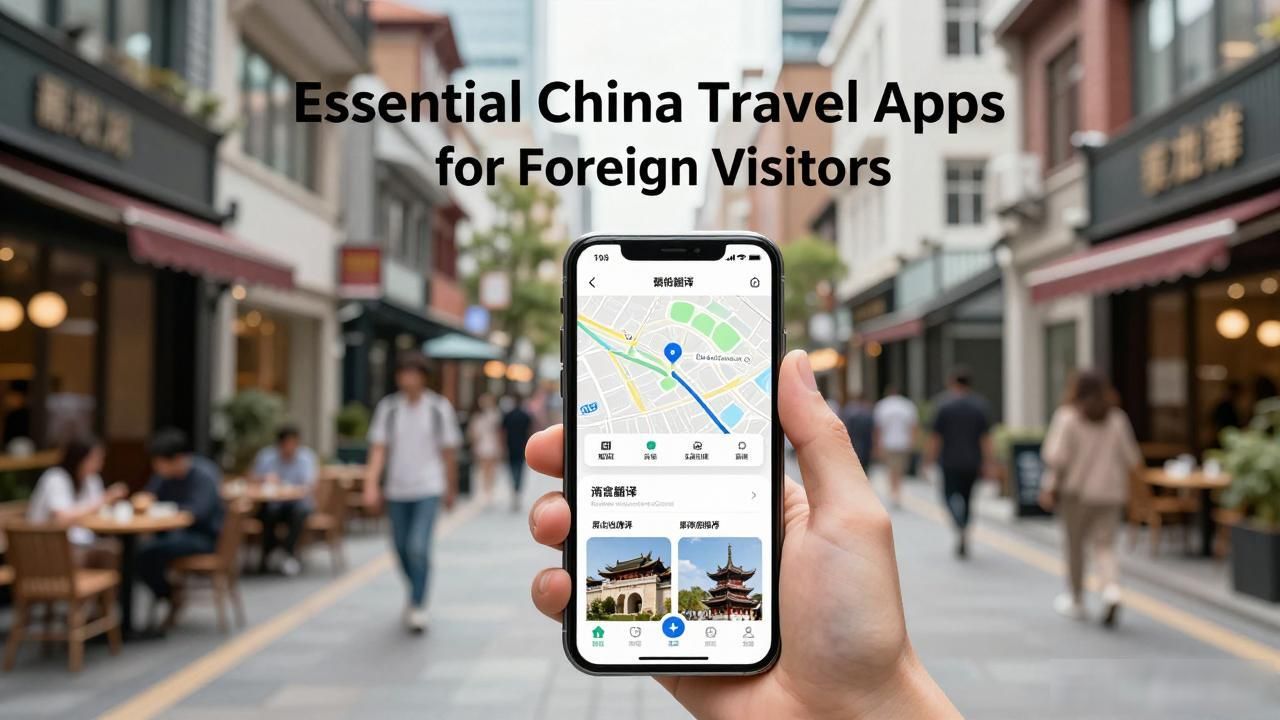
Language barriers used to worry me, but translation apps have completely changed that equation. Baidu Translate and Pleco are my go-to tools. Baidu Translate works offline, which is crucial since your data connection might be spotty in rural areas. Simply point your camera at a menu or sign, and it translates instantly. Pleco is more than a dictionary, it is an essential companion for anyone wanting to learn basic Chinese phrases before their trip.
Google Maps simply does not work in China due to local regulations, so you need to download Amap or Baidu Maps before you arrive. These apps provide accurate directions for walking, driving, and public transit. They also show you real-time traffic conditions and help you locate nearby restaurants, hotels, and attractions. Having these maps ready before your flight is a small step that prevents major headaches later.

Booking platforms like and Ctrip make finding accommodation and planning itineraries much easier. offers an English interface and accepts international payment methods, which is a huge advantage. You can read reviews from other foreign travelers and compare prices across thousands of hotels. For food delivery, Meituan and Ele.me are the giants, though they require a Chinese phone number to register fully.
Preparing these apps before your trip transforms your entire experience. China is incredibly safe and convenient for travelers who take the time to set up their digital toolkit. Download these applications, link your payment methods,and test them before you land. The confidence that comes from knowing you can pay, navigate, and communicate will let you focus on what truly matters, enjoying one of the most fascinating countries on Earth.