
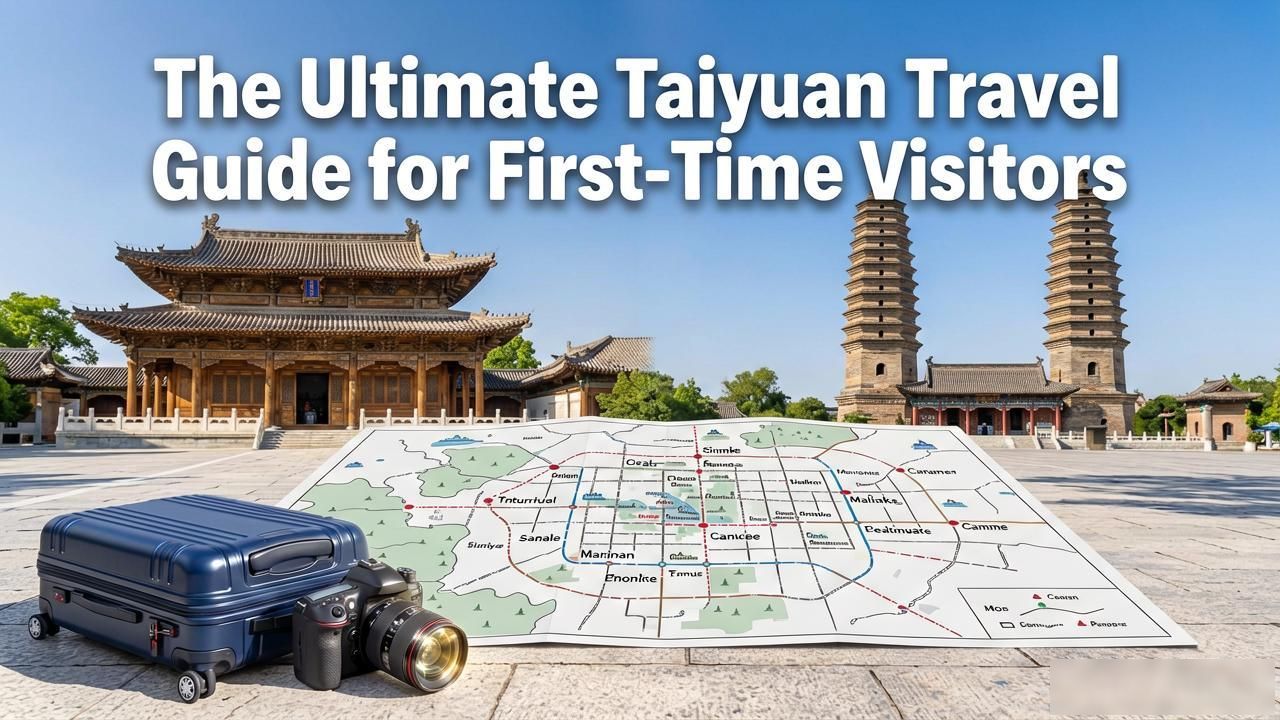
Taiyuan sits in the heart of Shanxi province, often overlooked by travelers rushing between Beijing and Xi’an. Yet this ancient city holds a quiet gravity that rewards those who slow down. It is a place where coal dust once painted the sky, where Buddhist temples whisper from cliff faces, and where noodles are pulled by hand with a rhythm passed down through generations. This guide cuts through the noise to show you what actually matters when you arrive.
What to See in Taiyuan First

Jinci Temple is not just an attraction; it is the spiritual anchor of the region. Built over a thousand years ago, the complex feels untouched by time. Walk through the Hall of the Duke of Tang and notice the bronze statues of attendants—some say they look like real people captured in metal. The ancient cypress trees nearby are so old their roots have turned to stone. Spend at least two hours here. Do not rush.
For a different kind of history, head to the Shanxi Museum. The collection of bronze vessels from the Jin state is unmatched in China. You will see ritual vessels that have sat in tombs for three millennia, their surfaces still gleaming with intricate patterns. The museum also covers the Ming and Qing dynasties with remarkable depth. It is free, open until five, and worth every minute.
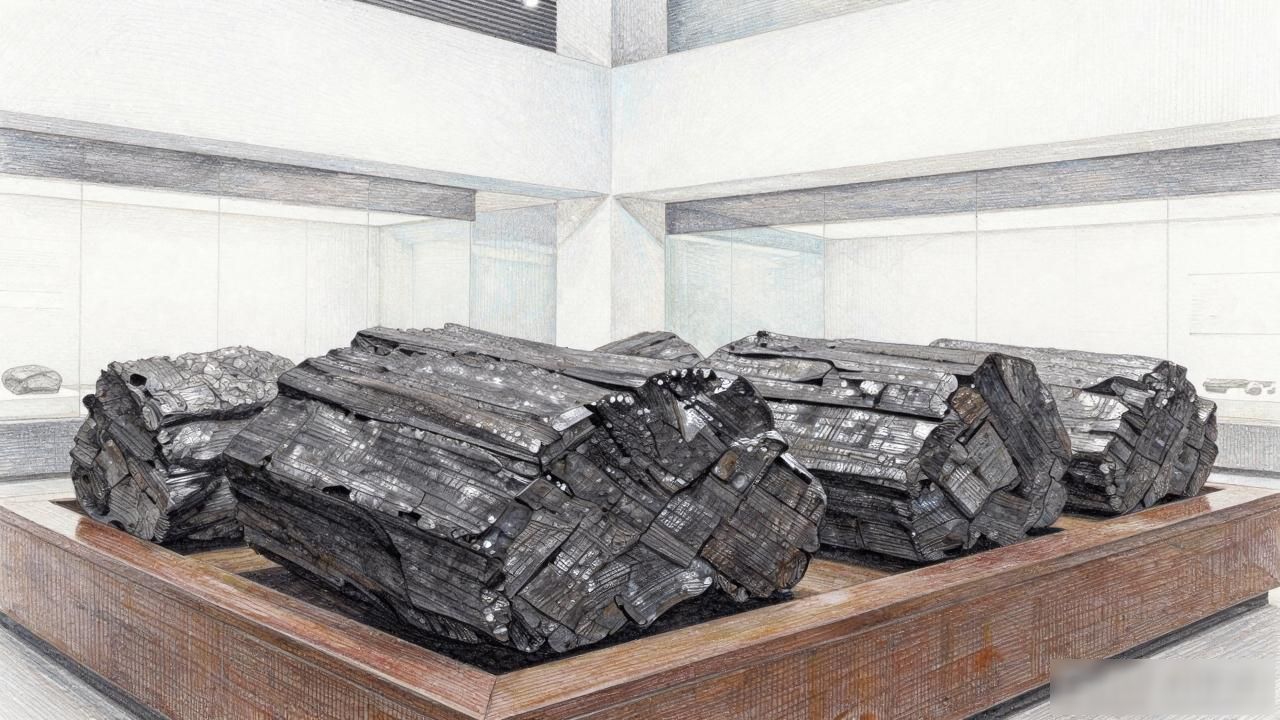
If you want to understand the city’s industrial soul, visit the Taiyuan Coal Museum. It is not glamorous, but it is honest. You will learn how this region powered modern China through sheer energy extraction. The exhibits are straightforward, the artifacts heavy with meaning. It changes how you see the skyline.
Where to Eat and Stay
Food in Taiyuan is about texture and tradition. You must try dao xiao mian—hand-shaved noodles. Watch the chef stand at the boiling pot, knife flashing, strands of dough falling like snow. The noodles are chewy, the broth rich. Pair this with a bowl of vinegar, because Shanxi vinegar is legendary. It is dark, aged, and essential to the local palate.
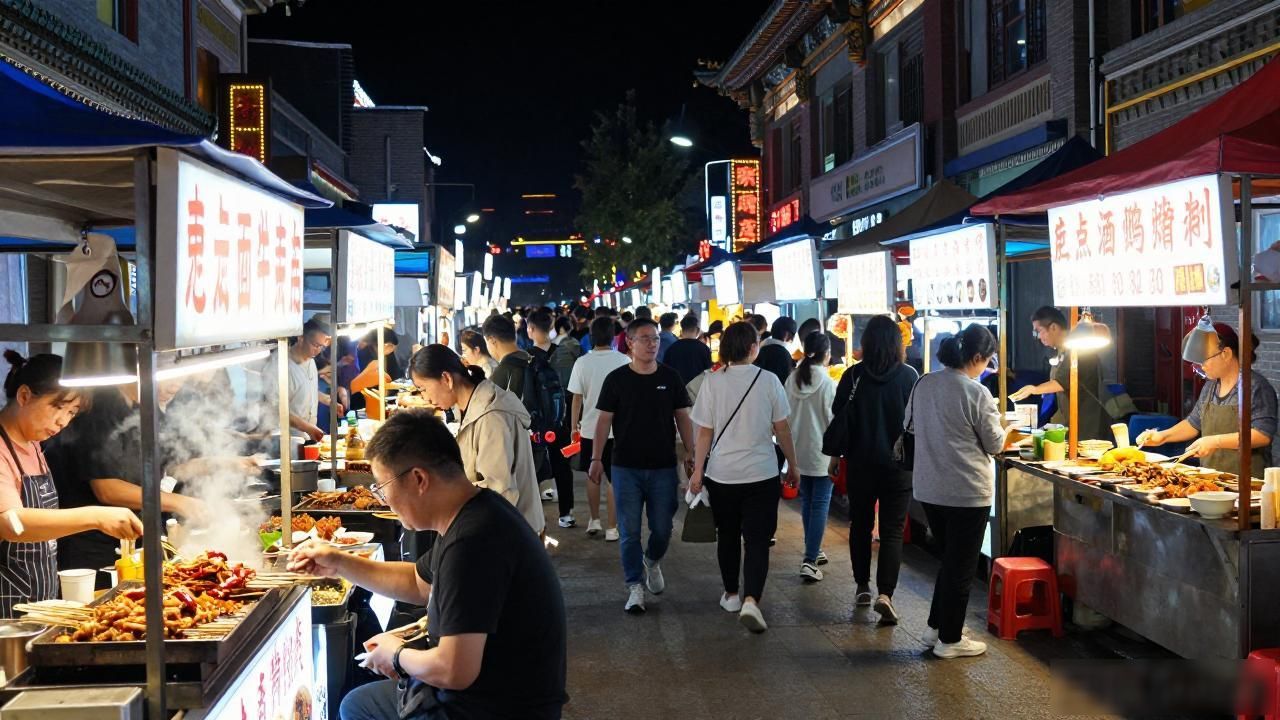
For accommodation, stay near Yingze Street. It is central, lively, and close to the best restaurants. The area buzzes with street vendors in the evening. You will hear dialects you cannot understand, smell cumin and chili, and feel the pulse of a city that refuses to be boring. Hotels here range from budget-friendly to mid-range luxury.
Street food markets open after dusk. Try jianbing, the savory crepe folded around crisp crackers. Grab a skewer of lamb. Drink soy milk from a paper cup. This is where you taste the city,not in restaurants, but in the spaces between.