
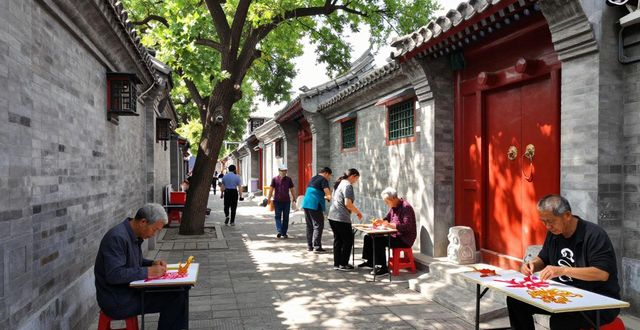
If you truly want to experience the soul of Beijing, skip the crowded tourist sites and step into the hutongs. These ancient alleyways are not just a maze of gray brick walls; they are living museums of old Beijing life. From sipping tea in a courtyard home to learning traditional crafts, hutong cultural activities offer an authentic glimpse into Chinese history and community. In this guide, I’ll share the most immersive experiences that let you connect with local traditions, taste homemade dishes, and even try your hand at centuries-old arts.
What makes hutong culture so unique
Unlike the modern skyscrapers of Beijing, hutongs have preserved a way of life that dates back over 700 years. Each hutong tells a story through its narrow lanes, wooden doors, and communal courtyards called siheyuan. Here, neighbors still greet each other in the morning, and elders play Chinese chess under ancient locust trees. The real charm lies in how daily activities—like making dumplings, flying kites, or practicing calligraphy—become shared rituals. For visitors, joining these activities isn’t just sightseeing; it’s stepping into a community where time moves slowly and traditions are passed down through generations.

Where to find authentic hutong experiences
Start your exploration in the Shichahai area, where the hutongs around Yandai Xie Street are packed with family-run workshops. Look for signs advertising jianbing (savory crepe) cooking classes or shadow puppet shows in converted courtyard homes. Another hidden gem is the Dashilan neighborhood near Qianmen,where you can watch artisans craft cloisonné or carve wooden toys. Many local hosts now open their homes through community-based tours—just avoid the overly commercialized spots with English menus and neon lights. The best experiences happen when you wander off the main alley and follow the sound of laughter or the smell of tea.
How to join a traditional tea ceremony
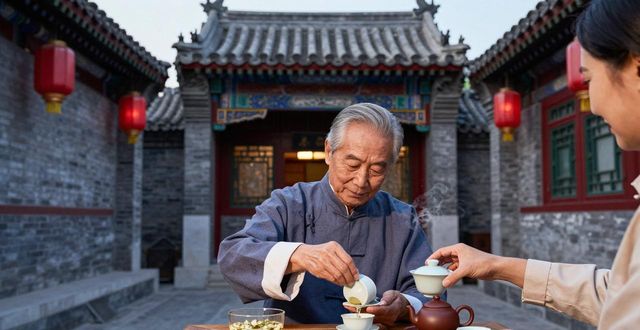
Tea drinking in hutongs is far more than a beverage break. Book a session at a family-owned tea house like Lao She Teahouse, or even better, find a resident who hosts intimate gatherings in their courtyard. You’ll learn to rinse the cups with the first brew, appreciate the aroma of jasmine or oolong, and understand the gongfu ritual of multiple short steeps. Locals often pair tea with dried fruits or sesame cakes, and the conversation may drift to neighborhood legends or tips on rolling jiaozi dough. This activity is perfect for a rainy afternoon—you’ll leave not just with a full stomach but with new friends and a deeper respect for Chinese hospitality.
Can you learn hutong crafts in one afternoon
Absolutely. Many courtyard studios offer two-hour workshops where you can try paper cutting, knot tying, or painting Peking opera masks. For example, at the Hutong Calligraphy Center near Gulou, a retired teacher guides you through brushing characters like fu (luck) on red paper. The trick is to focus on the process, not perfection—locals will applaud your efforts even if your lines wobble. You’ll hear stories behind each craft, like why fish patterns represent abundance or how knot colors bring good fortune. By the end, you’ll have a handmade souvenir and a new skill to show off back home.
Why you should taste hutong home cooking
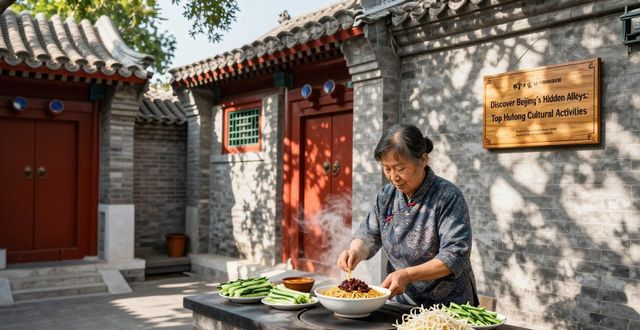
Skip the restaurant chains and look for a chuan’er (skewer) grill set up outside a courtyard door. Some families now offer cooking classes in their tiny kitchens, teaching you to fold dumplings, stir-fry gan bian dou jiao (dry-fried green beans), or steam mantou buns. The magic happens when you sit on low wooden stools and share the meal with your hosts—they’ll tell you which alley used to be a camel market or how they store cabbages for winter. These meals aren’t fancy, but every bite carries the taste of homemade care. Just remember to say “hao chi” (delicious) and ask for a second serving; it’s the highest compliment.
Have you ever tried a hutong activity that surprised you, or is there a traditional craft you’d love to learn in Beijing? Share your thoughts below, and don’t forget to like and pass this guide to fellow travelers who want to truly feel the heartbeat of old Beijing.