
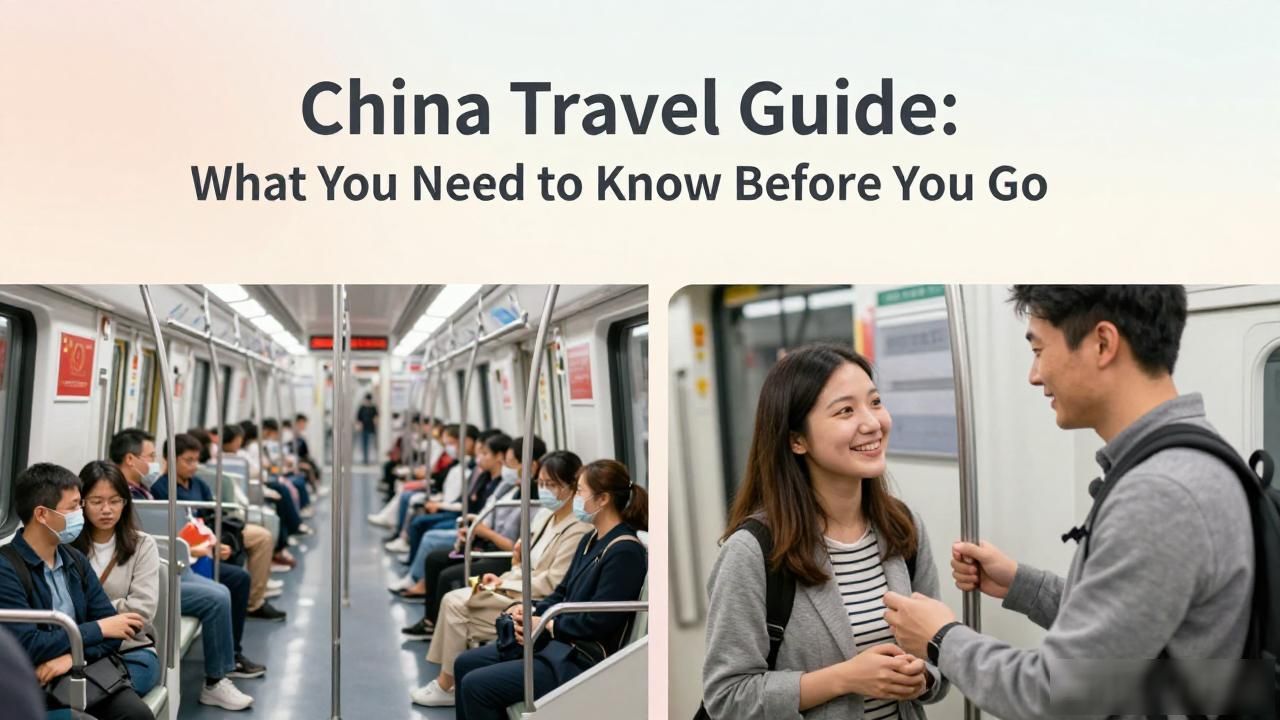
If you’re thinking about visiting China, you’re not alone. More and more travelers are putting China on their bucket list, and for good reason. It’s a country with ancient history, futuristic cities, incredible food, and landscapes that range from desert dunes to misty mountains. But let’s be honest—China can also feel overwhelming if you don’t know what to expect. That’s why this guide is here. I’ve spent years traveling across the country, and I want to help you avoid the common mistakes and make the most of your trip.
Is China Travel Safe for Tourists
Safety is usually the first question people ask me. The short answer is yes—China is one of the safest countries I’ve ever traveled in. Violent crime against tourists is extremely rare. You can walk around late at night in most cities without feeling threatened. That said, you still need to use common sense. Pickpocketing can happen in crowded tourist spots like Beijing’s Wangfujing or Shanghai’s Nanjing Road. Keep your phone in your front pocket and don’t flash expensive gear.

One thing that surprises many visitors is how safe the public transport system is. The subway in cities like Beijing, Shanghai, and Guangzhou is clean, well-organized, and monitored 24/7. Even if you’re lost, someone will usually help you—even if they don’t speak English. Locals are genuinely kind and curious about foreigners. I’ve had strangers walk me to my hotel just because they saw me looking at a map.
The bigger concern isn’t safety—it’s language. English is not widely spoken outside of major tourist areas. Download a translation app before you arrive. It will save you a lot of stress, especially when ordering food or asking for directions.
How to Plan a China Travel Itinerary
Planning your route is where most people get stuck. China is huge—bigger than the United States. You can’t see everything in one trip, and you shouldn’t try. A good rule of thumb is to pick two or three regions and go deep. The classic first-time route is Beijing, Xi’an, and Shanghai. You get the Great Wall, the Terracotta Army, and the futuristic skyline. It’s a solid start.
If you have more time, add a trip to Guilin or Zhangjiajie for nature. The karst mountains in Guilin look like they came out of a Chinese painting. Zhangjiajie is the place that inspired the floating mountains in the movie Avatar. Both are stunning, but they’re not easy to reach. Budget at least two days for each, including travel time.
Don’t forget about the food. Each city has its own specialty. In Xi’an, try the hand-pulled noodles. In Chengdu,you can’t miss the hotpot. In Shanghai, go for the soup dumplings. I recommend taking a local food tour on your first day in each city. It’s the fastest way to learn what to eat and where to go. You’ll thank yourself later.
A few practical tips: get a VPN installed on your phone before you arrive. Google, Instagram, and WhatsApp don’t work in China without one. Also, carry some cash—small shops and street vendors often don’t accept foreign credit cards. And don’t worry about tipping. It’s not expected in China, and in many places, it’s actually refused.
China isn’t a place you can fully understand in one visit. But with a little preparation, it’s a place you’ll never forget. The key is to slow down, stay curious, and let the country surprise you. Because it will—every single day.
Such a grounded and helpful overview for first-time travelers! Clarifying that safety is rarely an issue while highlighting practical nuances—like the no-tipping culture and the scale of travel required to reach spots like Zhangjiajie—gives readers realistic expectations. The advice to slow down and focus on two or three key regions is the best way to avoid burnout while taking in such a vast country. Fantastic post!