
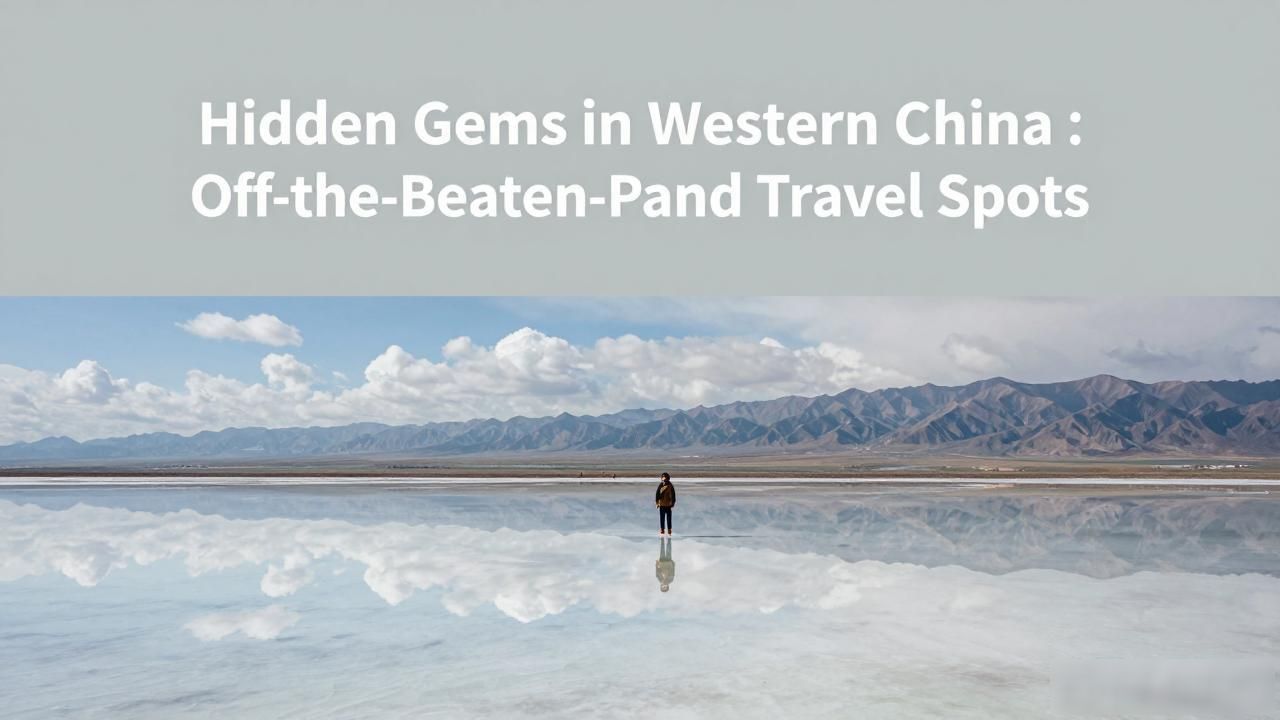
When most travelers think of China, they picture the Great Wall, Shanghai’s skyline, or the bustling streets of Beijing. But the real magic lies far west—in the vast, rugged landscapes of Tibet, Xinjiang, Qinghai, and Gansu. These regions hold some of the most breathtaking, unspoiled scenery on Earth, yet remain largely overlooked by international tourists. If you crave raw nature, ancient cultures, and roads less traveled, Western China is where you need to go.
What are the best hidden spots in Western China?

Let’s start with Qinghai’s Chaka Salt Lake, often called the “Mirror of the Sky.” Unlike the crowded tourist hubs, this salt flat offers a surreal, otherworldly experience. On calm days, the water reflects the clouds and mountains so perfectly that you can’t tell where the sky ends and the earth begins. It’s a photographer’s dream, and you’ll likely have the place almost to yourself if you arrive early morning or late afternoon.
Another gem is Yak Valley in Xinjiang’s Altai region. This remote valley is home to nomadic Kazakh herders who still live in felt yurts and move with the seasons. There are no entrance fees, no souvenir stalls—just rolling green hills, wildflowers, and the sound of yak bells echoing through the mountains. You can hike for hours without seeing another soul,and the locals will often invite you for tea and fresh bread if you’re respectful and curious.
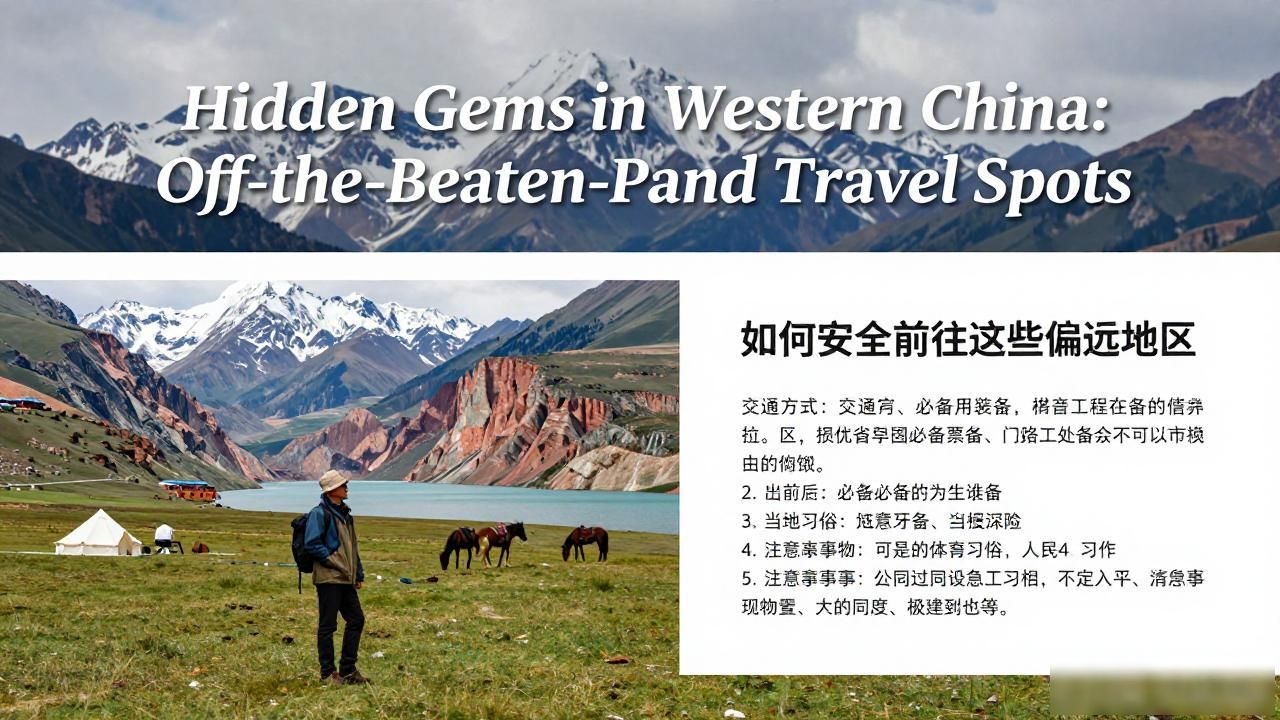
How do I travel to these remote areas safely?
Getting to these hidden spots requires patience and a bit of planning, but it’s absolutely doable. The best way is to hire a local driver-guide who knows the terrain and speaks the regional languages. Public buses rarely reach these places, and road conditions can change quickly, especially in the high plateaus. A good guide not only navigates but also connects you with local families and helps you understand the customs.
You’ll also need to prepare for altitude. Many of these areas sit above 3,000 meters, so give yourself a few days to acclimatize before doing any serious hiking. Carry cash—ATMs are scarce in small towns—and pack layers, because the weather can swing from scorching sun to freezing wind within an hour. And always check travel permits: some parts of Tibet and Xinjiang require special documents for foreign visitors, so arrange those well in advance.
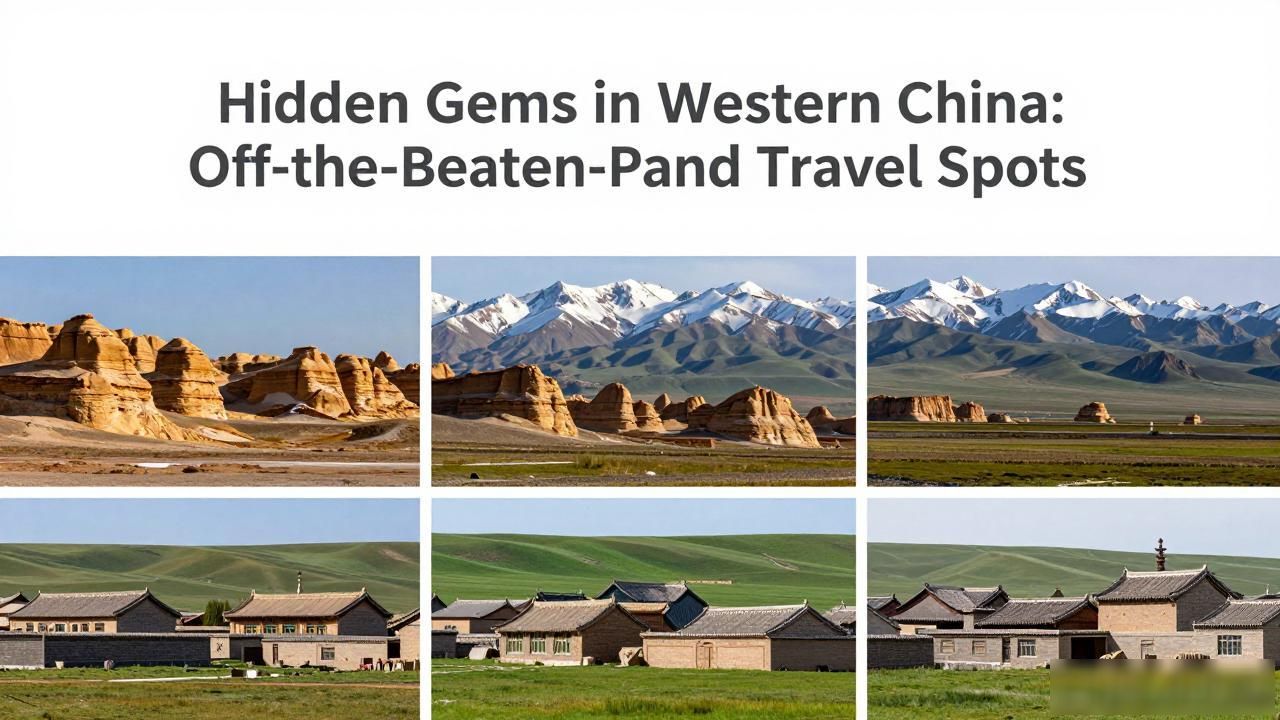
The effort, though, is more than worth it. Standing at the edge of Kanas Lake in northern Xinjiang, with its emerald water surrounded by snow-capped peaks and dense pine forests, you’ll feel like you’ve stumbled into a forgotten world. Or wandering through the ancient earth formations of Zhangye Danxia in Gansu, where the hills blaze in stripes of red, orange, and yellow—these are sights that stay with you for a lifetime.
Western China isn’t just a travel destination; it’s a reminder that the world is still vast, wild, and full of wonder. Go before the crowds find it.