

When visiting China, having the right travel apps on your phone can make the difference between a smooth trip and a frustrating one. Many popular global apps like Google Maps, Uber, and WhatsApp simply don’t work here due to internet restrictions. Instead, local alternatives dominate the market, offering everything from navigation and booking to payments and communication. Understanding which apps are essential and how they function is key for any foreign traveler.
How to navigate cities without Google Maps

Navigation is often the first challenge tourists face in China. Google Maps is unreliable because it doesn’t sync with local data sources. The app you will see everyone using is Amap, also known as Gaode Maps. It provides real-time traffic updates, public transit routes, and walking directions in Chinese, but some versions offer limited English support. For subway navigation specifically, the app MetroMan is a lifesaver. It works offline and covers over 40 Chinese cities with clear route maps and station names in English. Another option is Baidu Maps, which is similar to Amap but has slightly better coverage in smaller cities. Both require a stable internet connection for live updates, so having a local SIM card or eSIM is highly recommended. Without these apps, getting around can feel confusing, especially in sprawling cities like Beijing or Shanghai where subway lines intersect in complex ways.
Which apps handle booking and payments best
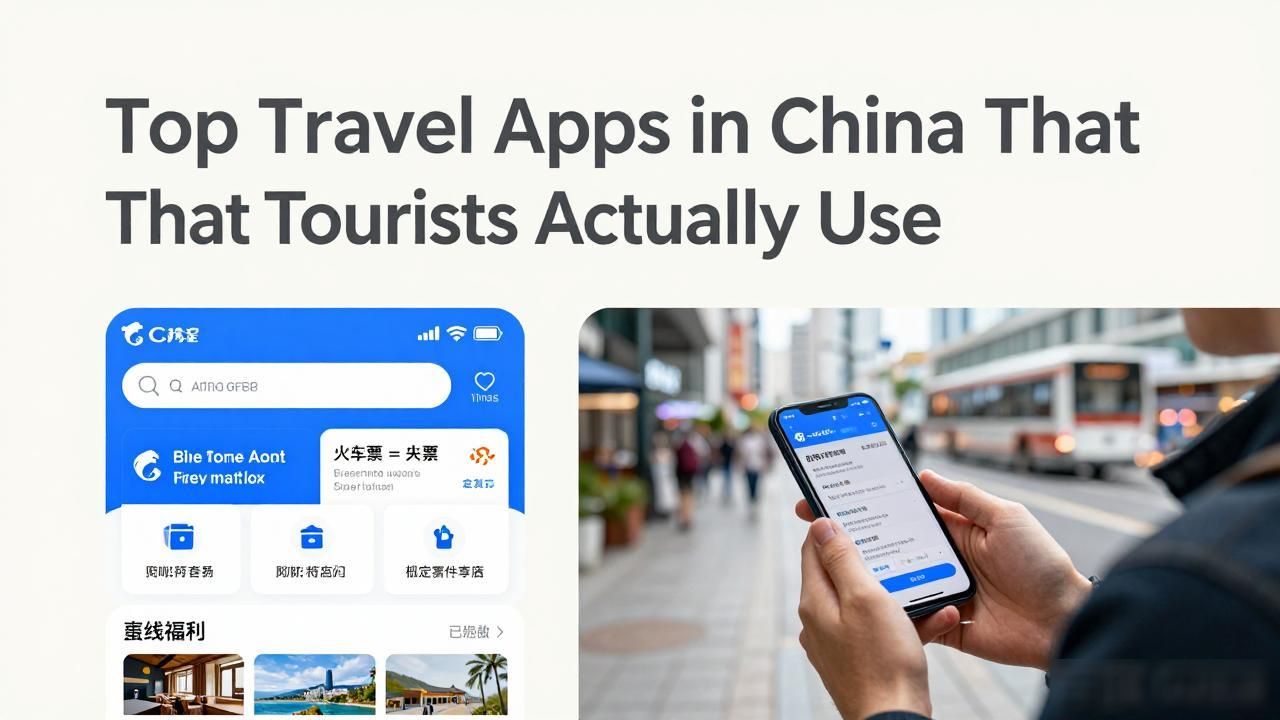
Booking hotels, trains, and flights in China often requires apps that are not available on Western app stores. Ctrip, now rebranded as , is the most popular platform for international users. It supports English, accepts foreign credit cards, and covers everything from flight tickets to hotel reservations. For high-speed train tickets, 12306 is the official app, but it is notoriously difficult for foreigners to use due to its Chinese-only interface and registration process. Many travelers prefer booking through instead, even if it costs slightly more. When it comes to payments, Alipay and WeChat Pay are everywhere. Tourists can link their international credit cards to Alipay through the Tour Card feature, which allows scanning QR codes at restaurants, stores, and even street vendors. WeChat Pay is equally common, but setting it up often requires a Chinese bank account. Carrying some cash is still useful, but for daily expenses, these two apps are essential. Without them, paying for a simple meal or a taxi ride can become unnecessarily complicated.
How to communicate and find food like a local
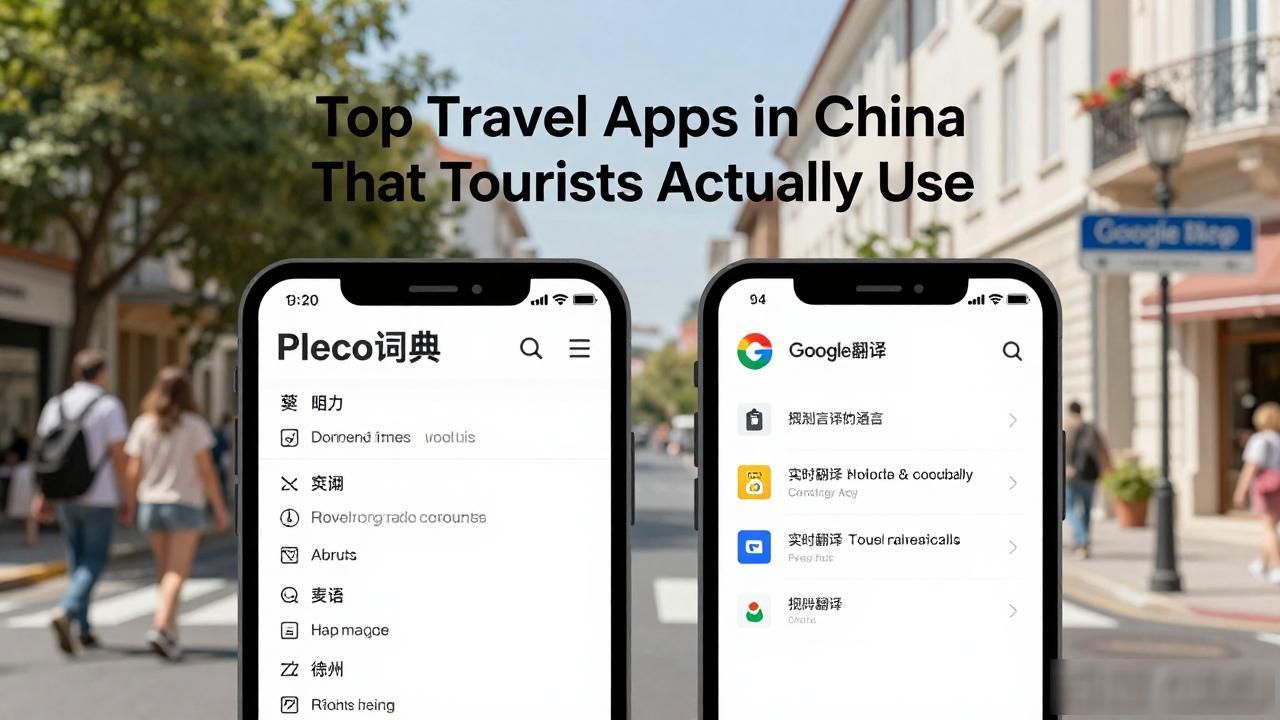
Language barriers can be a real issue, but translation apps help bridge the gap. Pleco is the most trusted dictionary app for Chinese learners, offering handwriting recognition and example sentences. For real-time translation, Google Translate works better than expected if you download the Chinese language pack offline. For food and restaurant discovery, Dianping is the Chinese equivalent of Yelp. It shows user reviews, photos,and menu prices, though most content is in Chinese. Using Dianping with a translation app is a practical strategy. For ordering food delivery, Meituan and Ele.me are the two dominant apps. They offer everything from bubble tea to hotpot delivered to your hotel lobby. Setting up these apps requires a Chinese phone number and payment method, but once configured, they open up a whole new level of convenience. Even without ordering, browsing Dianping can give you a sense of local dining trends and popular dishes.
These apps are not just tools but gateways to experiencing modern Chinese life. While the learning curve may feel steep at first, investing time to set them up before your trip pays off immediately. From navigating subway lines to paying for street food, each app solves a specific problem that foreign visitors commonly face. The key is to download them in advance and familiarize yourself with their basic functions. Once you do, traveling through China becomes not only easier but far more enjoyable.