

Navigating the financial landscape of a trip to China can feel daunting for many Western travelers. The stereotype of it being either incredibly cheap or prohibitively expensive is simply not accurate. The reality lies somewhere in between, heavily dependent on your travel style, the regions you visit, and how far in advance you plan. Understanding these variables is key to budgeting effectively. This guide breaks down the essential expenses to help you prepare without the guesswork.
Daily Budget Breakdown For Backpackers And Luxury Travelers

Your daily spending will vary wildly based on comfort levels. A backpacker sleeping in hostels and eating street food might spend as little as $40 to $60 per day. This covers basic accommodation, local noodles,and public transport. In contrast, a luxury traveler staying in five-star hotels in Shanghai or Beijing could easily exceed $300 daily just for lodging and fine dining. Mid-range travelers usually find a sweet spot around $100 to $150, enjoying comfortable boutique hotels and a mix of local and western cuisine.
Accommodation costs are often the biggest variable. While international chains are pricey, local guesthouses offer immense value. In tier-one cities like Shenzhen, prices spike during peak seasons. However, venturing into smaller towns in Yunnan or Guizhou drastically reduces these costs. Food is generally affordable even in major cities. A bowl of beef noodle soup costs about $2, while a sit-down meal at a decent restaurant runs $10-15. Street food culture is vibrant and safe, offering delicious options that keep lunch budgets low.
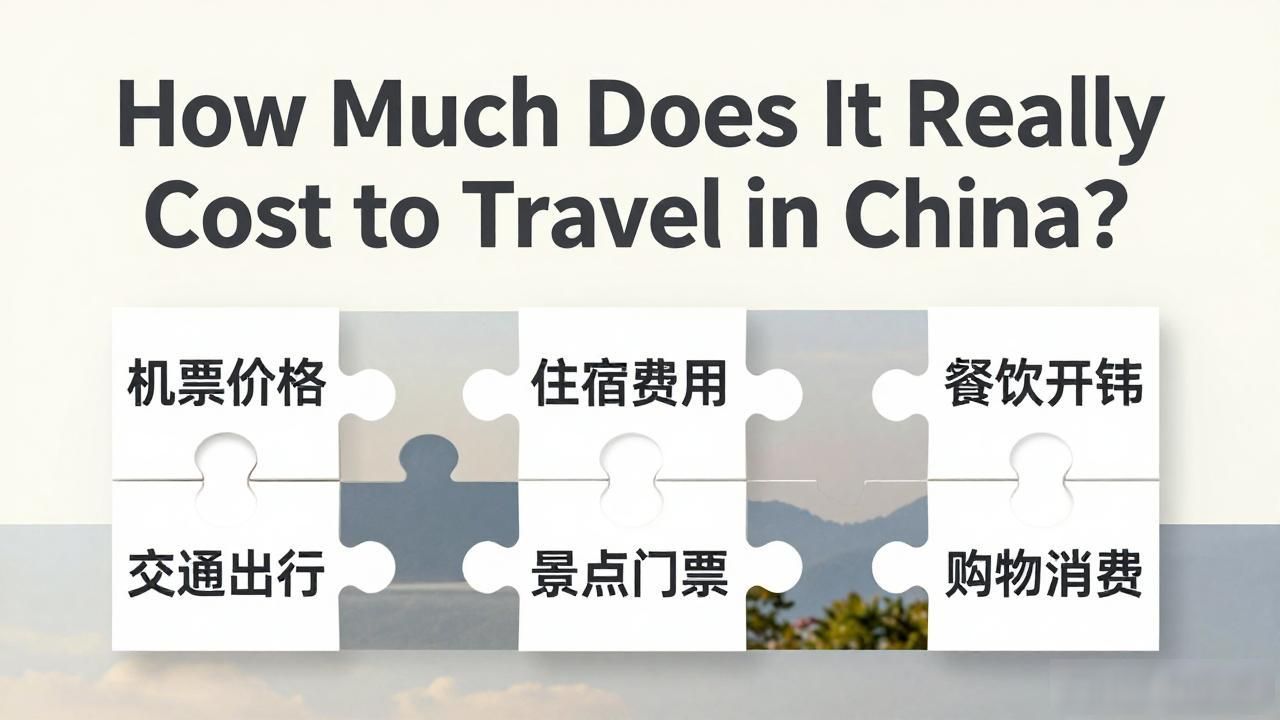
Transportation within China is efficient and relatively inexpensive. High-speed trains connect most major hubs, with tickets costing significantly less than comparable flights in Europe or North America. Domestic flights can be cheap if booked early, but trains offer a more scenic and reliable experience. Within cities, the metro systems are modern and clean. Taxis are reasonably priced, though using ride-hailing apps like Didi is often smoother for those who don’t speak Mandarin.
Hidden Fees And Payment Methods Every Tourist Should Know
One of the biggest hurdles for foreigners is payment. Cash is rarely used now; almost everything requires digital payment via Alipay or WeChat Pay. Setting up these apps before arrival is crucial. You may need to link an international credit card, which sometimes incurs small transaction fees. Always carry some physical cash for emergencies, as network issues can occasionally disrupt mobile payments. This step prevents awkward situations when vendors cannot process electronic transactions.
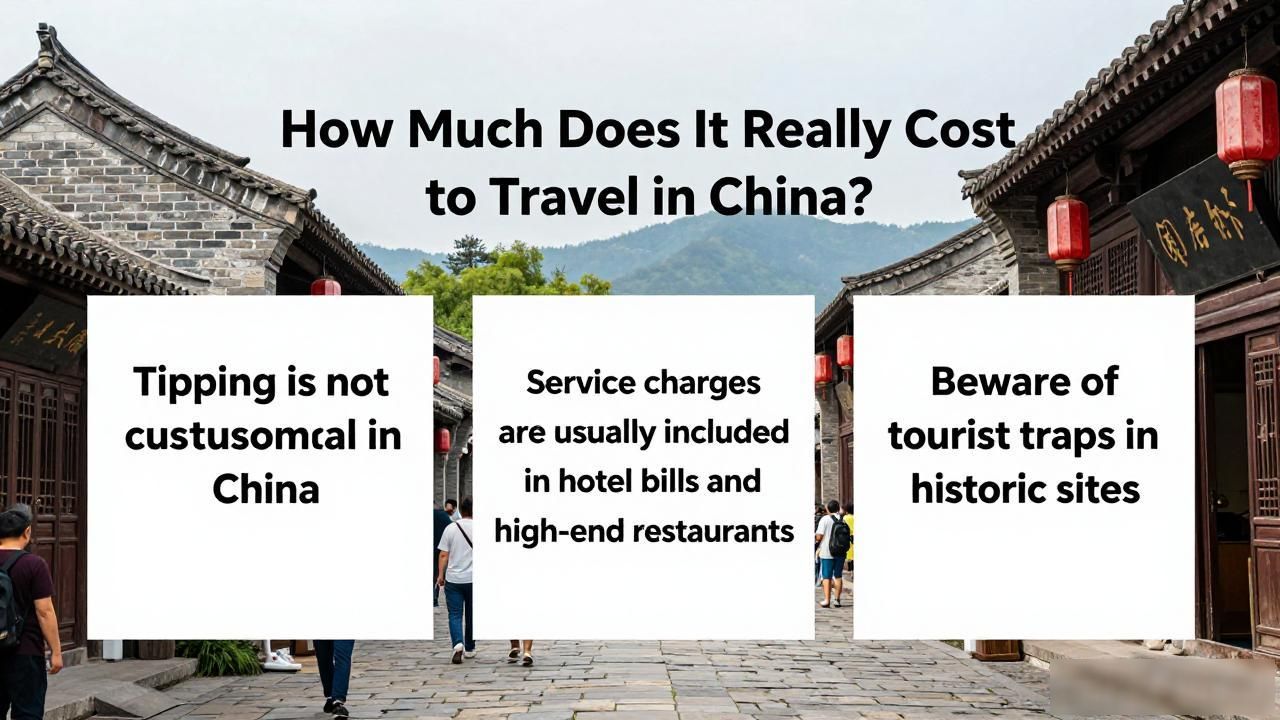
Tipping is not customary in China and can sometimes be refused or cause confusion. Service charges are usually included in hotel bills and high-end restaurants. If you do wish to tip, a small amount is appreciated but never expected. Be wary of tourist traps in historic sites. Prices marked in Chinese Yuan (CNY) should always be checked against current exchange rates. Scams involving fake taxis or overpriced souvenirs are common in major tourist hubs. Stick to licensed operators to avoid unnecessary expenses.
Visa costs also factor into the total budget. As of recent updates, many nationalities can apply for e-visas, which are cheaper and faster than traditional embassy visas. Check the latest requirements for your citizenship. Travel insurance is highly recommended and adds a modest daily cost to your trip. It covers medical emergencies and trip cancellations, providing peace of mind. By planning ahead and understanding these nuances, your trip to China can be both enriching and financially manageable.