
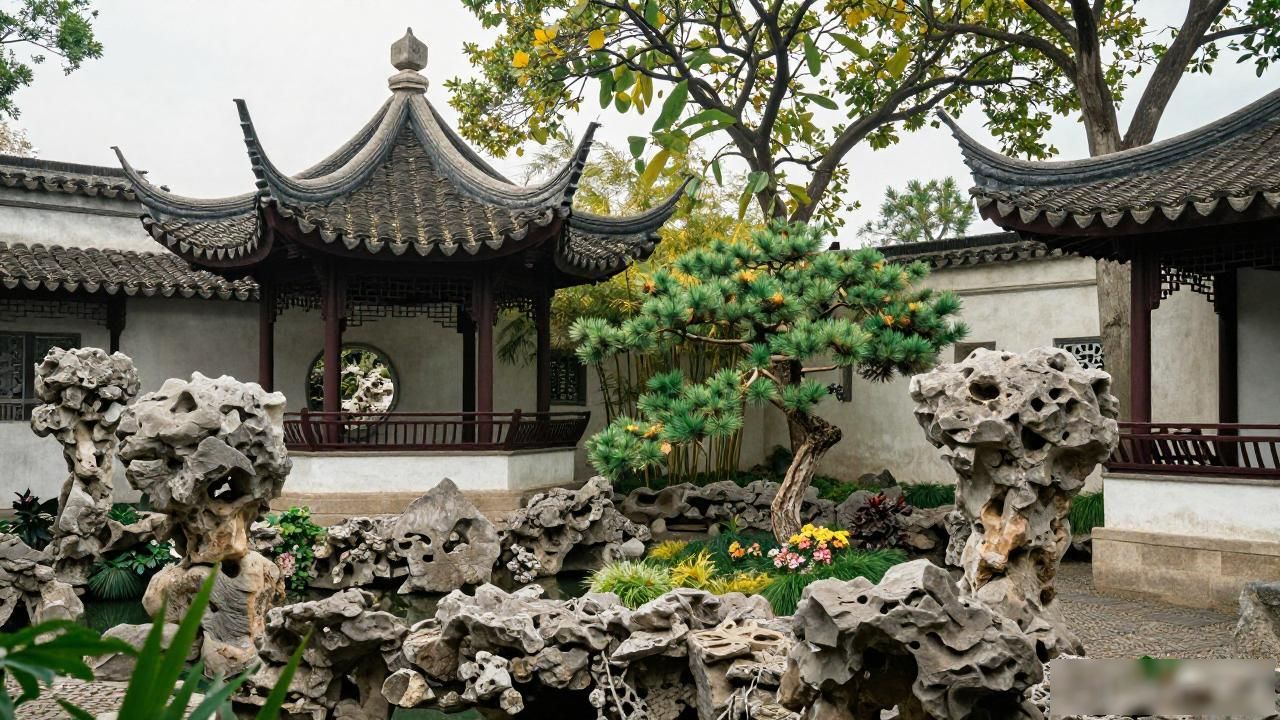
Finding a quiet corner in a world of noise is harder than it seems. Most travelers seek escape, but true peace is rare. I have spent years walking through moss-covered paths and listening to wind chimes. The Suzhou Gardens are not just tourist spots; they are sanctuaries designed for stillness. Here,the chaos of modern life simply dissolves into the mist over the water.
Why are Suzhou Gardens so peaceful?

The design philosophy here is rooted in Daoism and Zen Buddhism. Every rock, plant, and pavilion is placed to harmonize with nature, not dominate it. You will notice that walls block direct views, forcing you to slow down. This architectural trick creates a sense of infinite space within small boundaries. It tricks the mind into relaxing.
Sound plays a crucial role in this serenity. The gentle trickle of water features masks distant city noises. You might hear bamboo swaying against a stone wall or leaves rustling underfoot. These natural sounds create an acoustic blanket. This auditory isolation is key to breaking the cycle of daily stress. Visitors often report feeling their heart rate drop within minutes of entering these grounds.
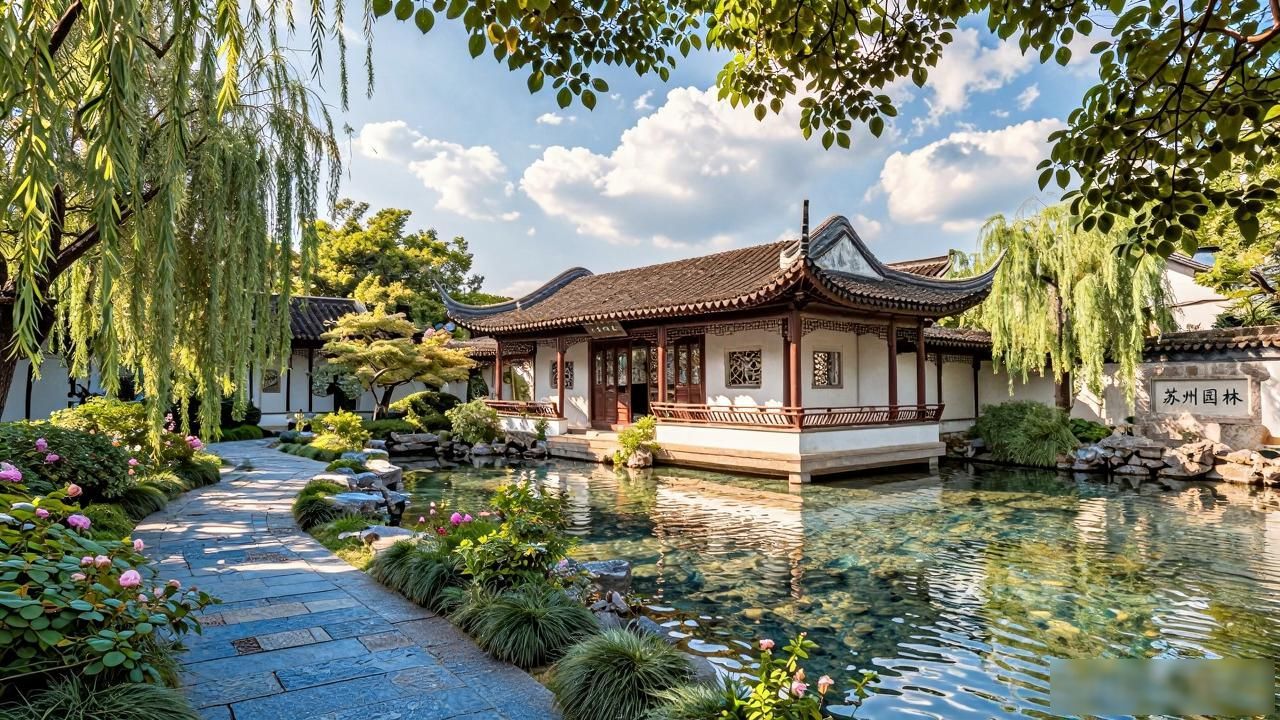
How to experience deep calm in Suzhou?
Timing is everything. Most tour groups arrive mid-morning, bringing crowds and noise. To find true solitude, go early at dawn or late in the afternoon after the buses leave. The light changes during these hours, casting long shadows that enhance the mood. Walking alone allows you to stop whenever you wish.
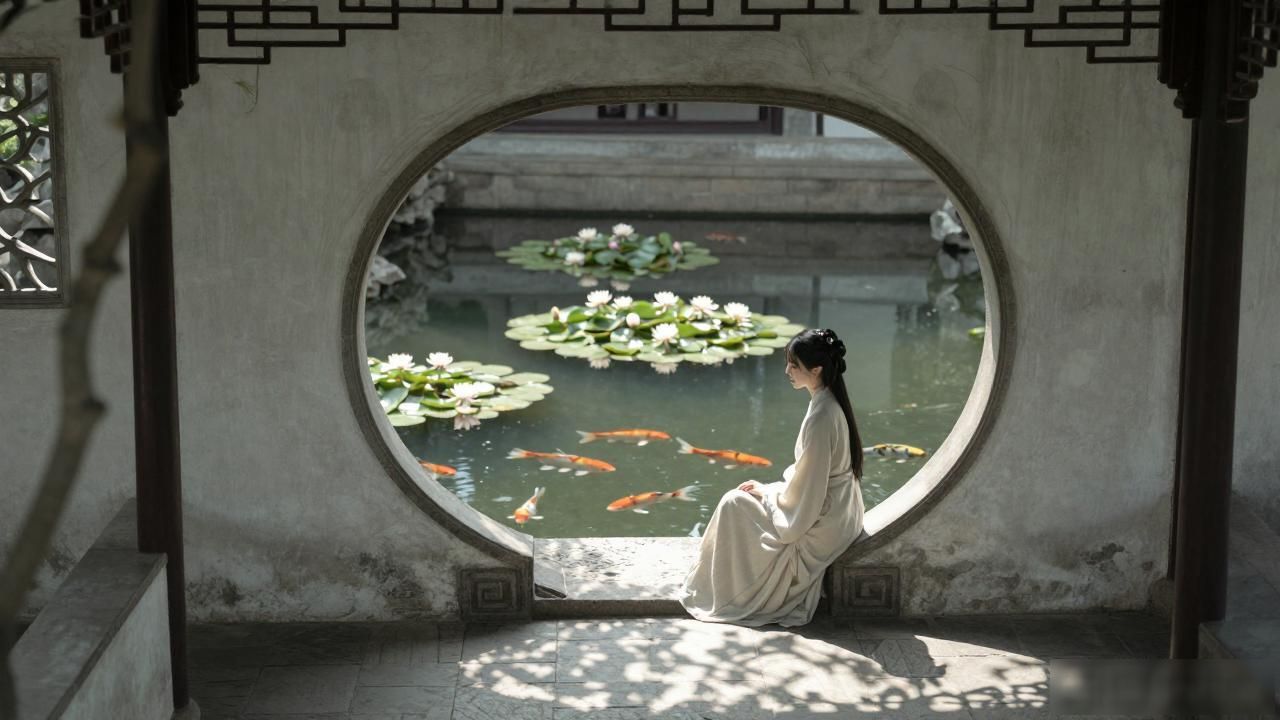
Bring no agenda. Do not rush to see every pavilion. Sit by a moon gate and watch koi fish glide beneath lily pads. Observe how the light filters through lattice windows. Mindful observation transforms the visit. It becomes a meditation rather than sightseeing. You start noticing details like the texture of weathered bricks or the curve of a roof tile. These small moments accumulate into a profound sense of inner peace. The gardens teach us that tranquility is not found by running away, but by slowing down and being present.