
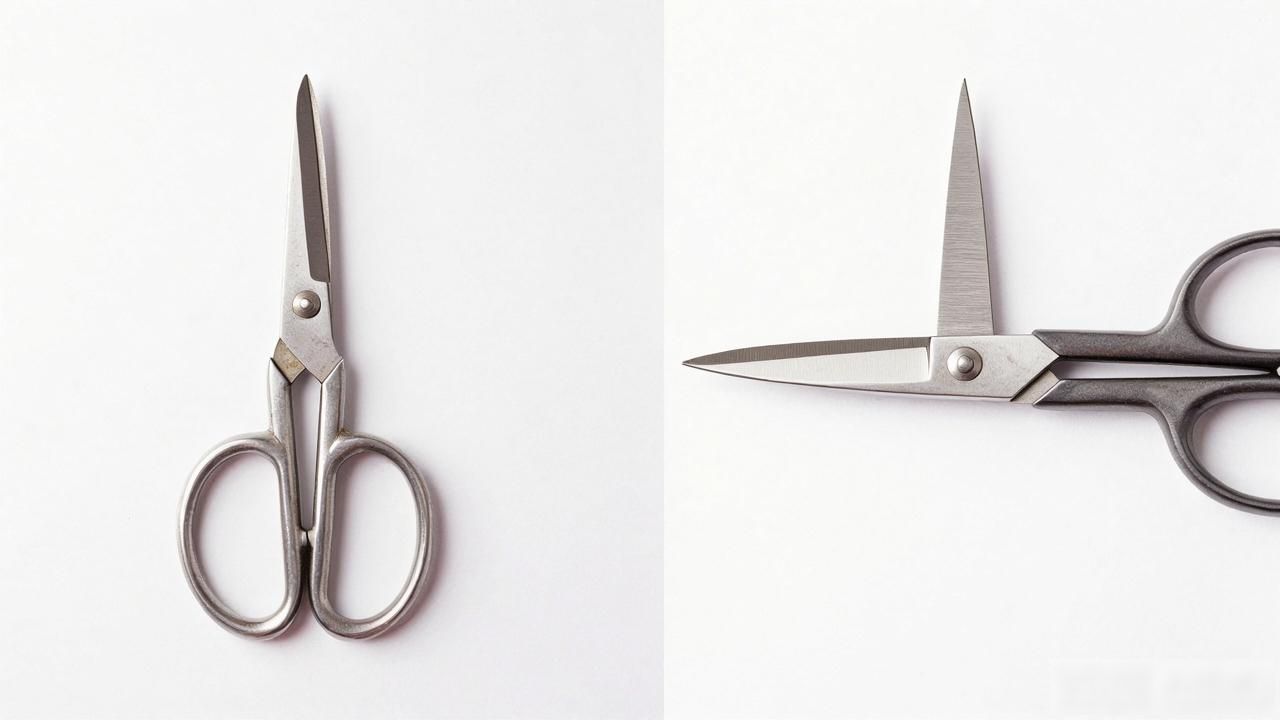
Paper cutting is an ancient art that requires precision, patience, and the right equipment. For beginners and seasoned artists alike,selecting the proper instruments can make the difference between a frustrating struggle and a flowing creative process. The tools used in this craft are simple yet specialized, designed to handle delicate cuts and intricate details without tearing the paper. Understanding these tools helps enthusiasts appreciate the craftsmanship involved and improves their own artistic output significantly.
Which scissors are best for intricate designs?

Standard household scissors often lack the necessary sharpness or blade length for detailed work. Artist-grade scissors typically feature short, blunt tips that allow for precise maneuvering around tight curves and small shapes. Many professionals keep multiple pairs, each with specific blade lengths suited for different tasks. Some have serrated edges for grip, while others are ultra-sharp for clean snips through thick cardstock or thin silk paper.
Beyond scissors, specialized knives offer another level of control. These are not just generic craft knives but finely tuned instruments with replaceable blades. The handle design often prioritizes comfort during long sessions, reducing hand fatigue. Users frequently rotate blades to ensure every cut remains crisp, preventing ragged edges that can ruin delicate patterns. This attention to tool maintenance is crucial for high-quality results.
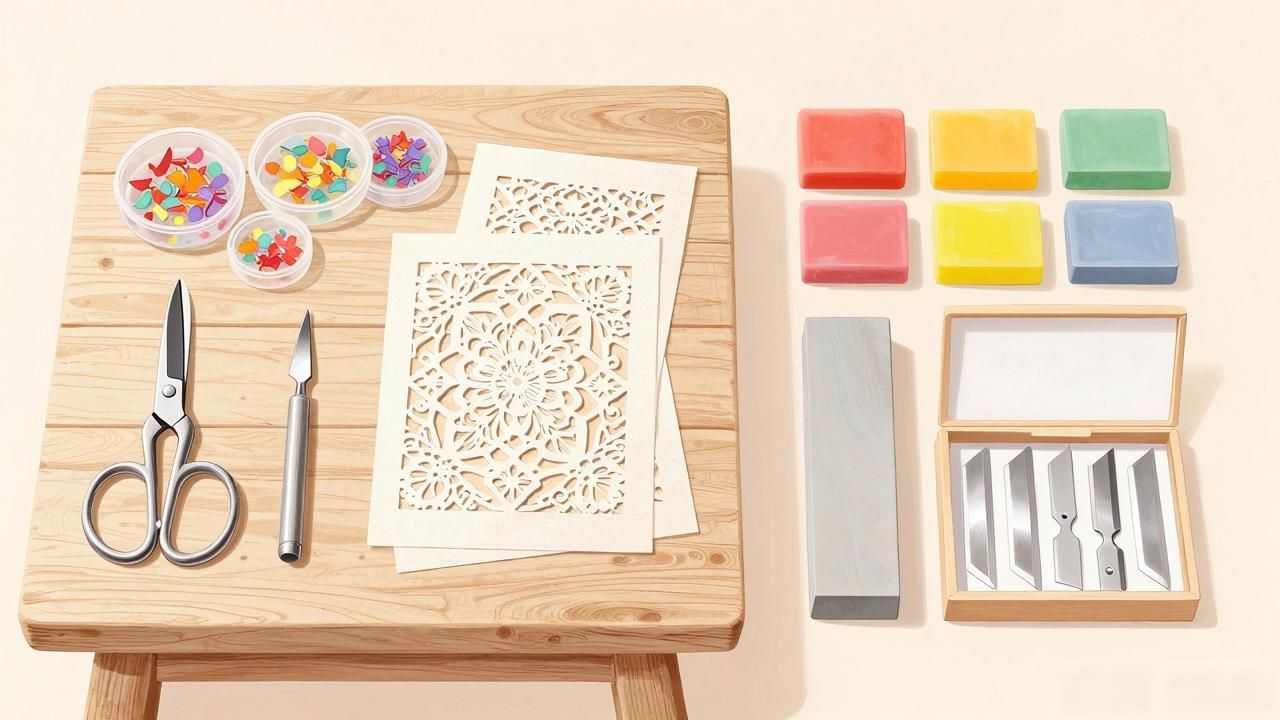
What surface and accessories do I need?
A proper cutting mat is essential to protect both your work surface and your tools. These mats usually feature grid lines for alignment and self-healing properties to extend knife life. Without a stable base, even the sharpest tool can slip, leading to mistakes or accidents. Many artists prefer mats with measurement markings to ensure symmetry in their designs, which is vital for traditional patterns like the “Double Happiness.”
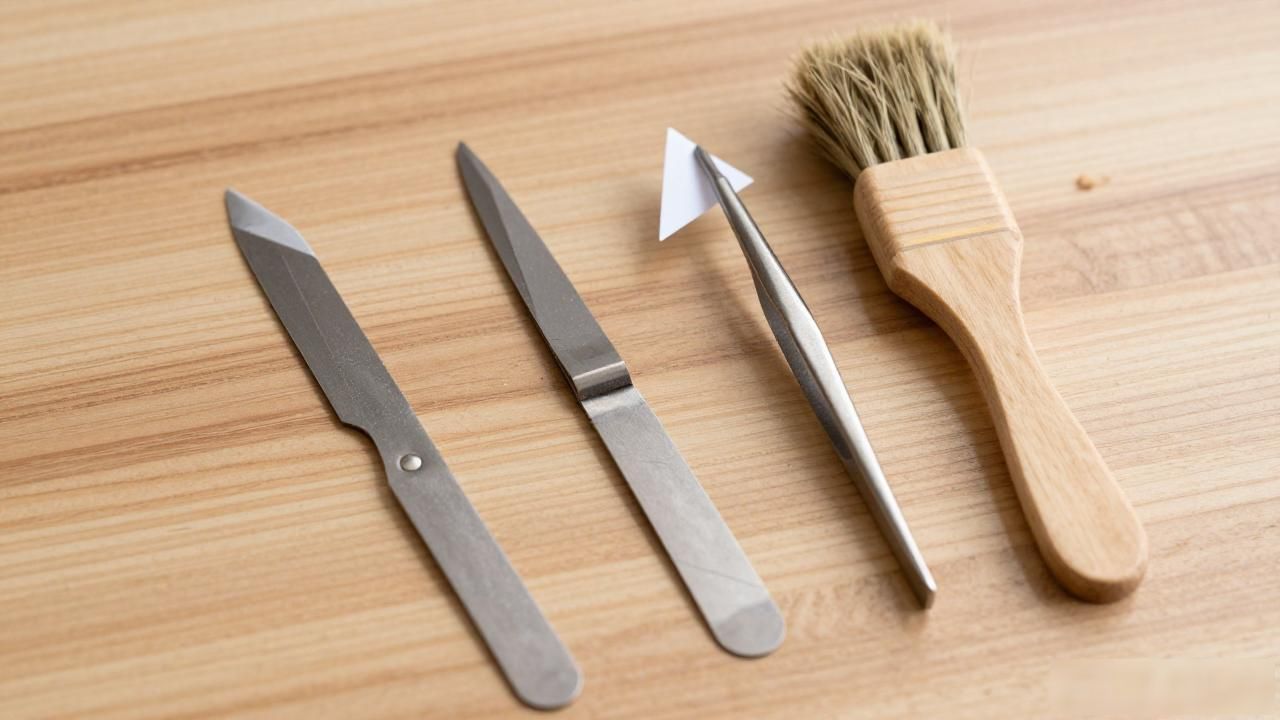
Other accessories include bone folders for scoring folds and tweezers for handling tiny cut pieces. A good pair of tweezers allows for precise placement of fragmented elements without damaging them. Additionally, a soft brush helps remove paper dust from finished works, preserving the clarity of the design. Investing in these supplementary items enhances the overall experience, making the art form more accessible and enjoyable for everyone involved.