
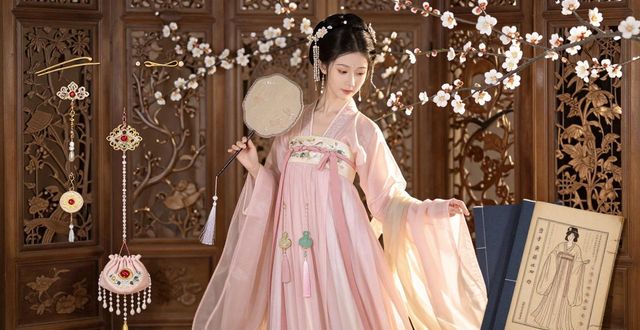
Hanfu accessories are the small but powerful details that turn a simple robe into a full historical statement. Without them, even the most beautiful hanfu can feel unfinished. In traditional Chinese clothing, accessories are not just decorations — they carry function, symbolism, and centuries of cultural meaning. From the waist to the hair, every piece tells a story.
What Hanfu accessories do you really need to start
If you are new to hanfu, the sheer variety of accessories can feel overwhelming. You do not need everything at once. Start with the basics that make the biggest visual impact. Hair accessories are the most visible. A simple wooden hairpin or a metal phoenix crown can change the entire feel of your outfit. For men, a jade guan or cloth headband works well.

Next, focus on waist accessories. The sash or belt is not optional in many hanfu styles. It defines your silhouette and holds the layers in place. A decorated waist ornament called a peiyao adds charm and weight. Pendants made of jade or silk tassels hang from the belt and move as you walk. These small items immediately elevate your look from costume to authentic attire.
Shoes are often overlooked but just as important. Traditional embroidered cloth shoes with curved toes match the hanfu aesthetic perfectly. They are comfortable and protect the outfit’s historical feel. Avoid modern sneakers at all costs if you want a clean presentation.
How to match Hanfu accessories with your outfit without looking fake
The biggest mistake beginners make is mixing too many styles or colors. Hanfu accessories follow certain unwritten rules. If you wear a Ming dynasty-style outfit, use accessories from the same period. A Tang dynasty hairpiece will clash with Ming robes. Keep the historical match consistent.
Color coordination matters more than you think. Gold and red accessories work best with dark or bright hanfu. Silver and jade tones suit lighter fabrics like white or pale blue. Do not use plastic or shiny modern metals. Stick to natural materials like wood, jade, brass, or silk. These materials age well and feel authentic.
Consider your occasion. Everyday hanfu calls for simpler accessories — one hairpin, a plain belt, and minimal jewelry. For festivals or photoshoots, go all out. Layer multiple hairpins, add a face veil, and hang long tassels from your waist. The key is intentionality. Every accessory should serve a purpose, not just fill space.
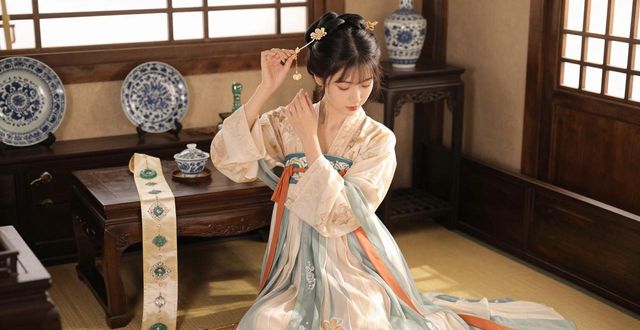
Finally,do not ignore comfort. Heavy headpieces can cause headaches after a few hours. Metal belts might dig into your waist. Try wearing your full set at home before going out. Adjust tightness and weight until everything feels natural. A confident wearer always looks better than an overdressed one.
Hanfu accessories are the bridge between a simple outfit and a complete cultural expression. Start small, match carefully, and let each piece speak for itself. When done right, your hanfu will not just be worn — it will be understood.