
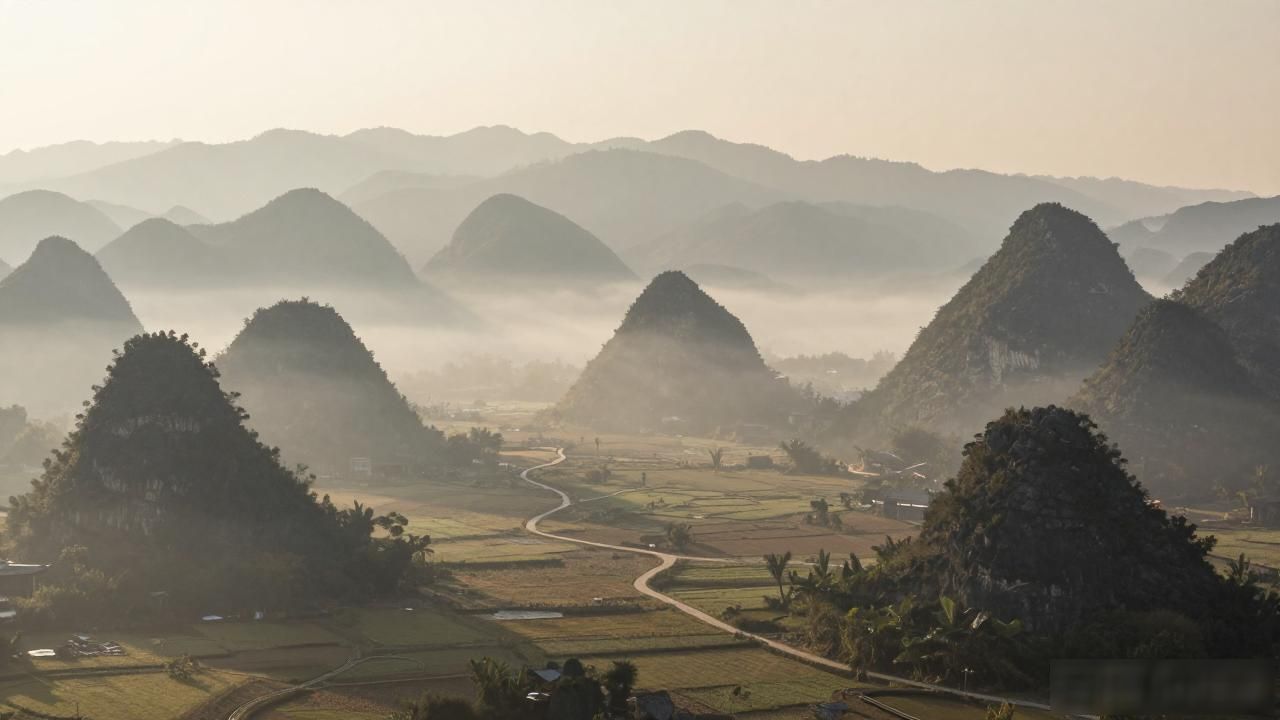
China’s visual landscape is often dominated by the same famous landmarks, where photographers compete for inches of space amidst throngs of tourists. Many travelers assume that capturing authentic, serene images requires visiting these well-trodden paths, but the reality is quite different. The true magic lies in the overlooked corners, the misty villages,and the rugged terrains that remain untouched by mass tourism. By shifting focus away from the iconic giants, one can discover a China that is intimate, raw, and profoundly beautiful. This approach allows for unique compositions that tell a deeper story, free from the distraction of endless selfie sticks and tour buses.
Where to Find Quiet Scenic Views in China?

The western provinces offer some of the most striking yet under-visited backdrops for serious photography. Instead of heading straight to the crowded peaks of Zhangjiajie, consider venturing into nearby Guangnan County in Yunnan. Here, the Karst landscapes emerge from the fog without the overwhelming presence of cable cars or packed viewing platforms. The light here changes slowly, allowing photographers to wait for the perfect moment without the pressure of a moving crowd. Similarly, the ancient towns of Wuyuan, when visited outside the peak rapeseed flower season, reveal intricate architectural details and quiet rural life. These areas provide a sense of timelessness that is rare in modern travel destinations.
Another hidden gem is the Yubeng Village in Yunnan’s Shangri-La region. While trekking there requires effort, the reward is a pristine alpine environment with snow-capped peaks and ancient monasteries. The journey itself filters out the casual tourists, leaving only those willing to engage with the scenery. In this setting, you can capture long exposures of flowing streams or starry skies without worrying about people entering your frame. The isolation fosters a deeper connection with the environment, resulting in images that feel personal and exclusive. Such locations demand patience but offer unparalleled creative freedom.
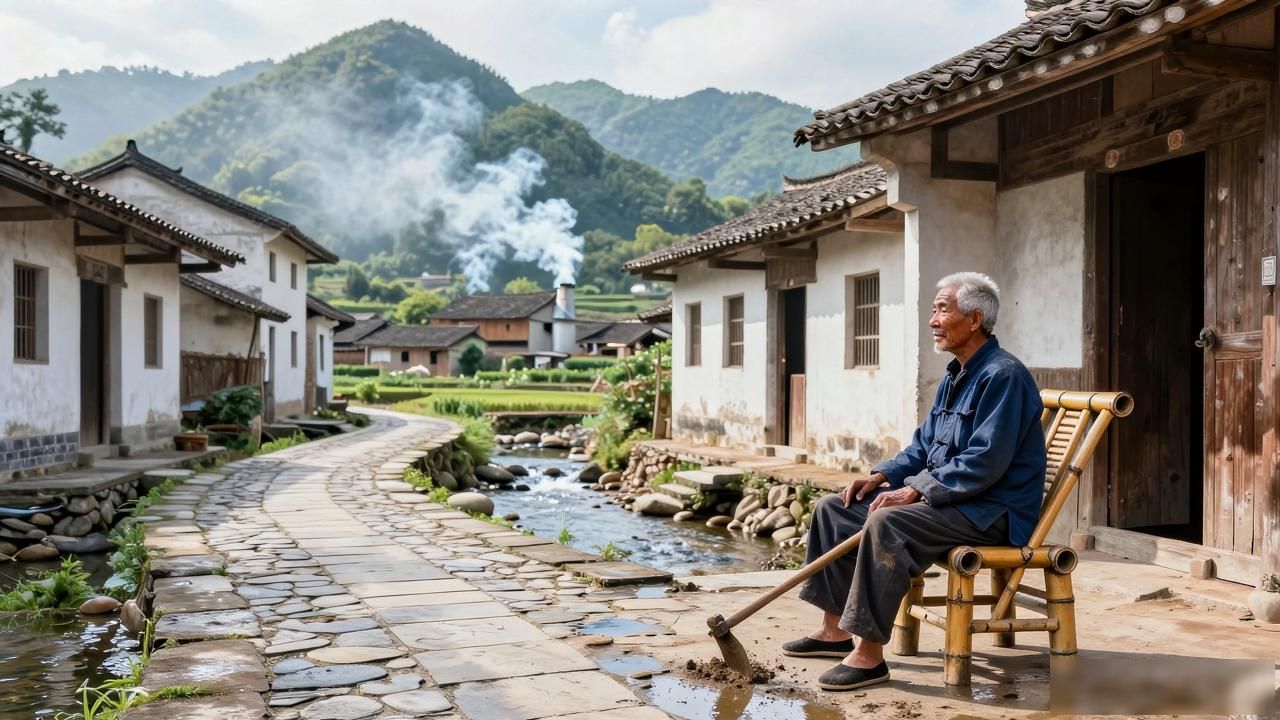
How to Capture Authentic Local Life Away from Tourists?
Photography is not just about landscapes; it is also about people and culture. To find authentic interactions, look beyond the main squares of major cities. In places like Quanzhou in Fujian province, the ancient maritime history is woven into the daily lives of locals. Streets are filled with temples and small shops operating as they have for centuries. Walking these narrow alleys early in the morning reveals vendors setting up their stalls and neighbors greeting each other. These candid moments are priceless and rarely found in guidebooks. The key is to move quietly, respect local customs, and build trust before raising the camera.
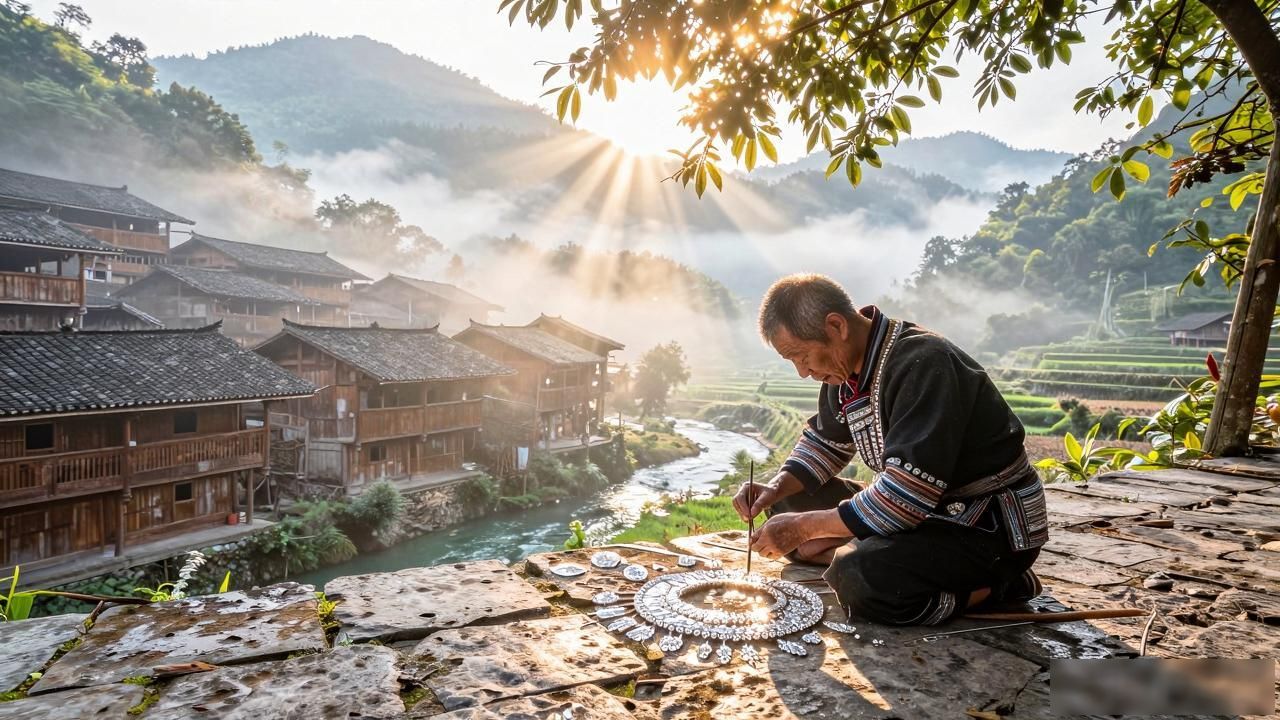
Similarly, the ethnic minority regions in Guizhou offer vibrant cultural tapestries far from the mainstream tourist circuit. Villages in Qiandongnan maintain traditional crafts and festivals that are still part of everyday life. Engaging with artisans making silver jewelry or weaving cloth provides insight into their heritage. The lighting in these rural settings is often natural and soft, ideal for portrait work. By focusing on these communities, photographers can document a living culture rather than a staged performance. The resulting images carry emotional weight and narrative depth, resonating strongly with international audiences seeking genuine experiences.
Choosing less crowded spots transforms the photographic experience from a checklist exercise into a journey of discovery. It encourages mindfulness and observation, qualities essential for great photography. The images captured in these quiet spaces speak louder than those taken in chaotic tourist hubs. They reflect the true essence of China’s diversity and beauty. For those willing to venture off the beaten path, the rewards are both visual and spiritual.