
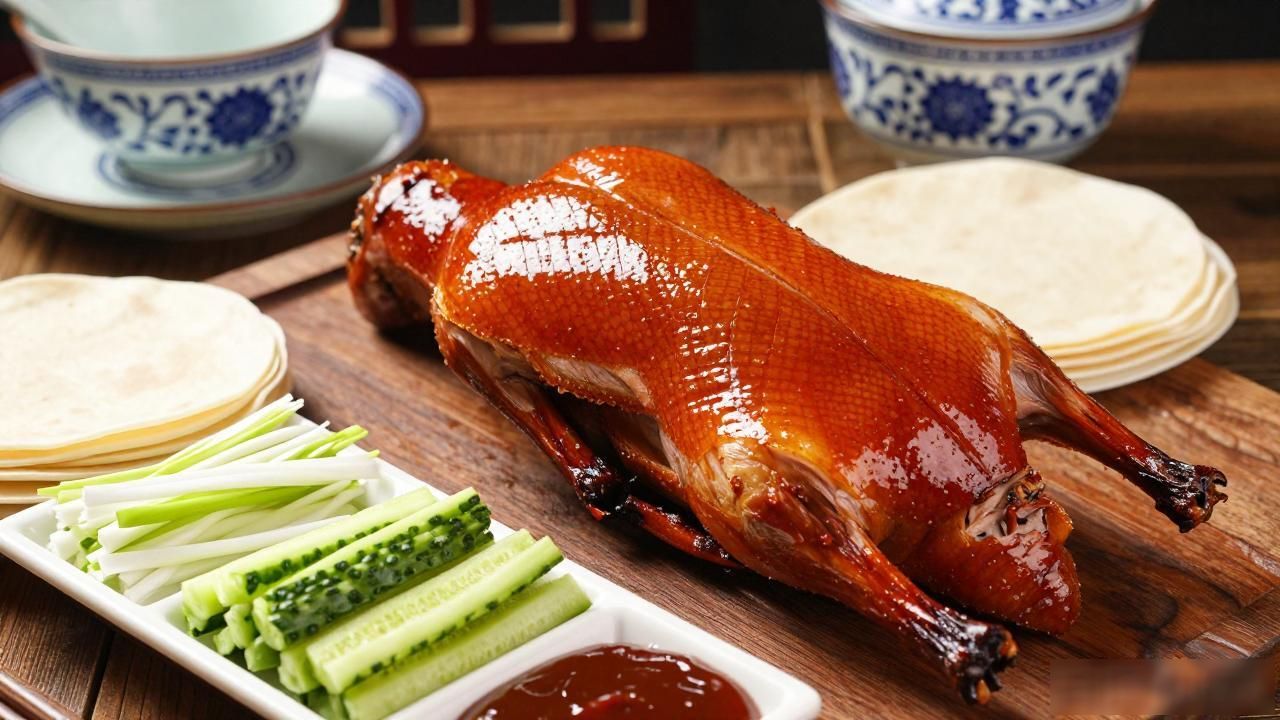
Beijing’s culinary landscape is far richer than just roast duck. While the imperial history adds a layer of prestige to the city’s dining scene, the true soul of Beijing cuisine lies in its humble, hearty staples and bold flavors that have sustained locals for centuries. For travelers seeking authenticity, understanding the distinction between tourist traps and local favorites is crucial. The city offers a sensory journey through centuries of tradition, where every bite tells a story of northern Chinese heritage, blending sweet,salty, sour, and spicy notes in ways that are uniquely Beijing.

Why is Peking Duck so famous?
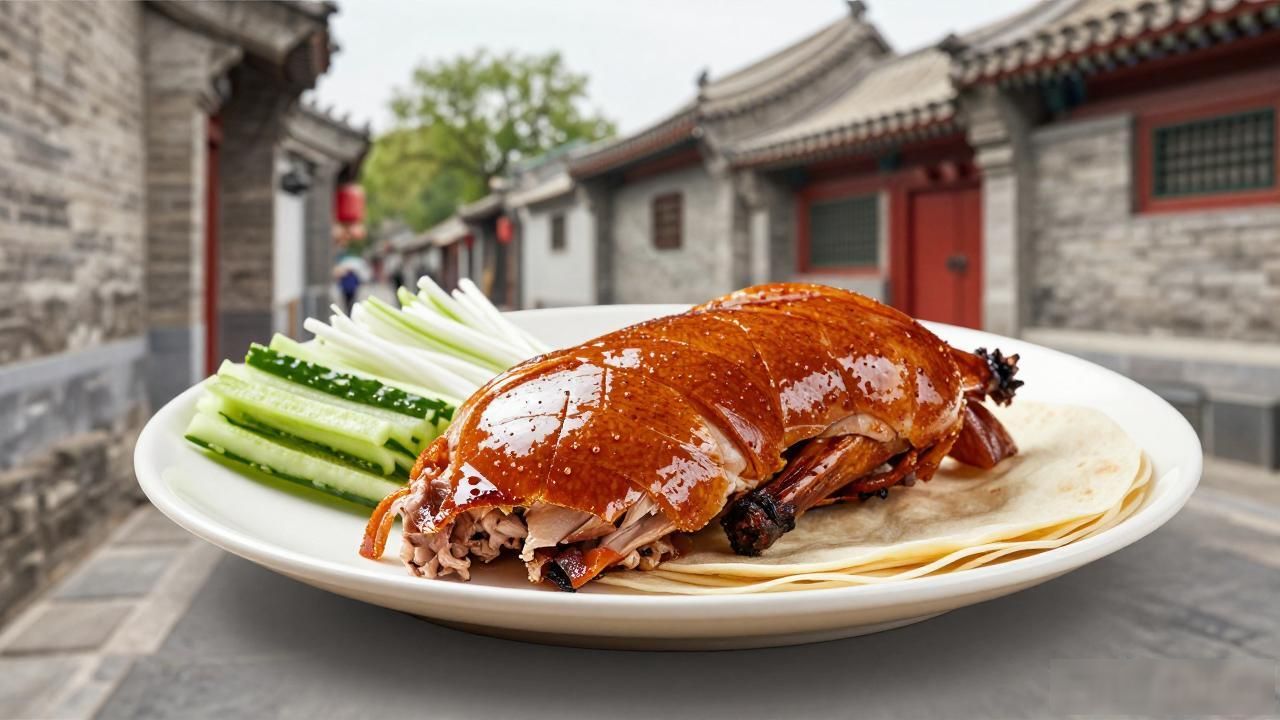
Peking Duck is undoubtedly the crown jewel of Beijing’s gastronomy, but knowing how to eat it properly elevates the experience from a simple meal to a cultural event. The duck is roasted until the skin is crisp and lacquered, separating it from the tender meat underneath. Locals often prefer smaller, family-run restaurants over the massive hotel banquets, where the craftsmanship is often more attentive. The ritual of wrapping the thin pancakes with hoisin sauce, scallions, and cucumber strips allows the diner to balance textures and flavors perfectly. It is not merely about eating; it is about appreciating the precision of the chef’s knife work and the quality of the wood-fired oven. Many visitors make the mistake of ordering it without reservation, only to wait hours or settle for inferior quality. Securing a spot at a reputable establishment ensures you taste the true essence of this imperial dish.
What are the best street snacks to try?
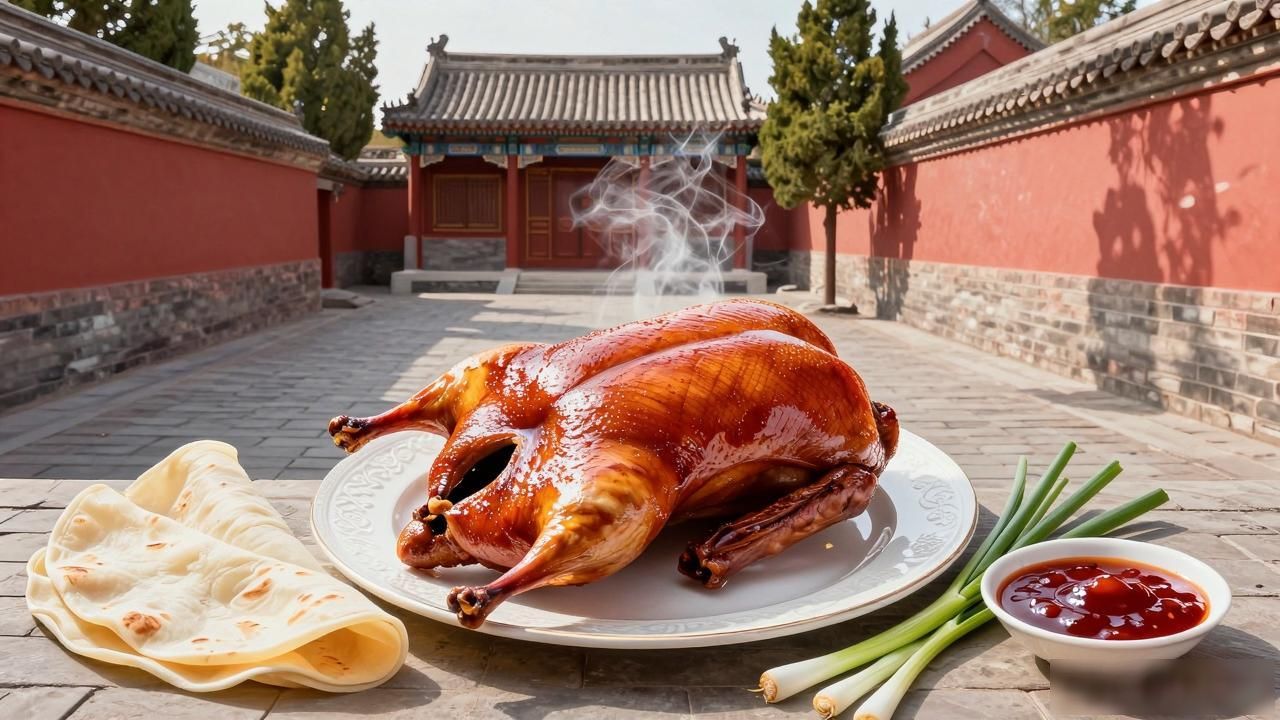
Beyond the grand banquet tables, Beijing’s streets offer a vibrant array of snacks that define daily life for its residents. Zhajiangmian, or fried sauce noodles, is a staple that combines wheat noodles with a savory paste made from fermented soybeans and minced pork. The texture of the noodles should be chewy, and the sauce must be rich and aromatic. Another essential item is Jianbing, a savory crepe filled with egg, crispy cracker, and cilantro, sold on every corner. These foods are quick, affordable, and deeply satisfying. They reflect the pragmatic yet flavorful nature of northern Chinese cooking, which relies heavily on wheat rather than rice. Exploring these local haunts provides an authentic connection to the rhythm of Beijing’s everyday life.