
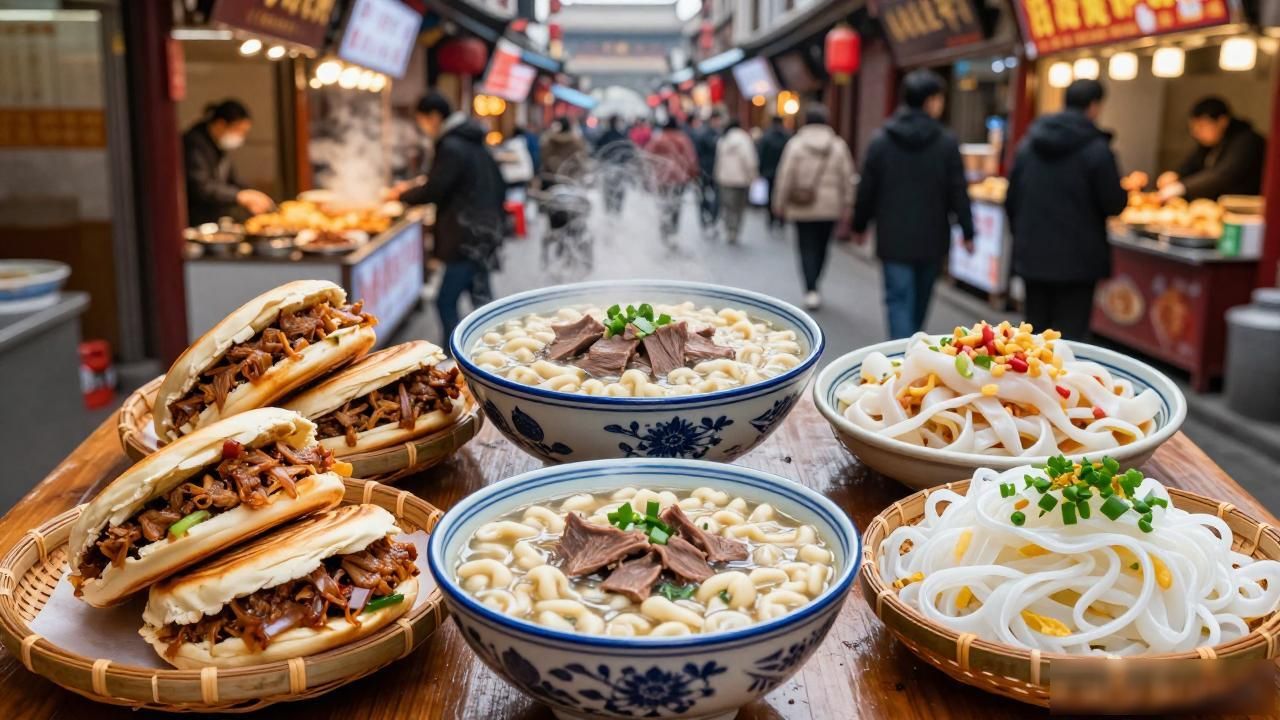
Food in Xi’an is not just sustenance; it is history on a plate. As the starting point of the Silk Road, this ancient capital offers a culinary landscape distinct from the rest of China. The flavors here are bold, wheat-based, and deeply rooted in Hui Muslim traditions and local Shaanxi culture. For travelers seeking authenticity, understanding these dishes transforms a simple meal into a cultural journey.
What Are The Best Street Foods In Xi’an?

The city comes alive at night with bustling food streets, where the air is thick with cumin and chili oil. You cannot visit without trying Roujiamo, often called the Chinese hamburger. It consists of slow-cooked, tender beef or pork tucked inside a crispy, baked flatbread. The texture contrast is key, offering a satisfying crunch followed by savory richness. Pair this with Liangpi, a cold gluten noodle dish made from rice or wheat starch. It is served with a spicy vinegar sauce and cilantro, providing a refreshing counterpoint to the heavier meats.
Another staple is Yangrou Paomo, or mutton pie crumbled into soup. This dish requires participation from the diner. You break the unleavened bread into tiny pieces before handing it to the chef, who then simmers it in a rich lamb broth. The result is a comforting, hearty meal that warms the soul. These street foods are affordable, accessible, and deeply embedded in daily life. They represent the unpretentious heart of Xi’an, where locals gather after work to share stories over steaming bowls.
Where To Find Authentic Traditional Dishes?
Beyond the street stalls, traditional restaurants offer refined versions of these classics. Look for establishments with long histories, often run by families who have perfected their recipes over generations. Here, you can experience Biangbiang noodles, famous for their wide, belt-like shape and complex character name. The noodles are hand-pulled and tossed in a robust sauce of chili flakes, garlic, and soy sauce. The sound of the dough being beaten against the table gives the dish its name, adding a sensory layer to the eating experience.
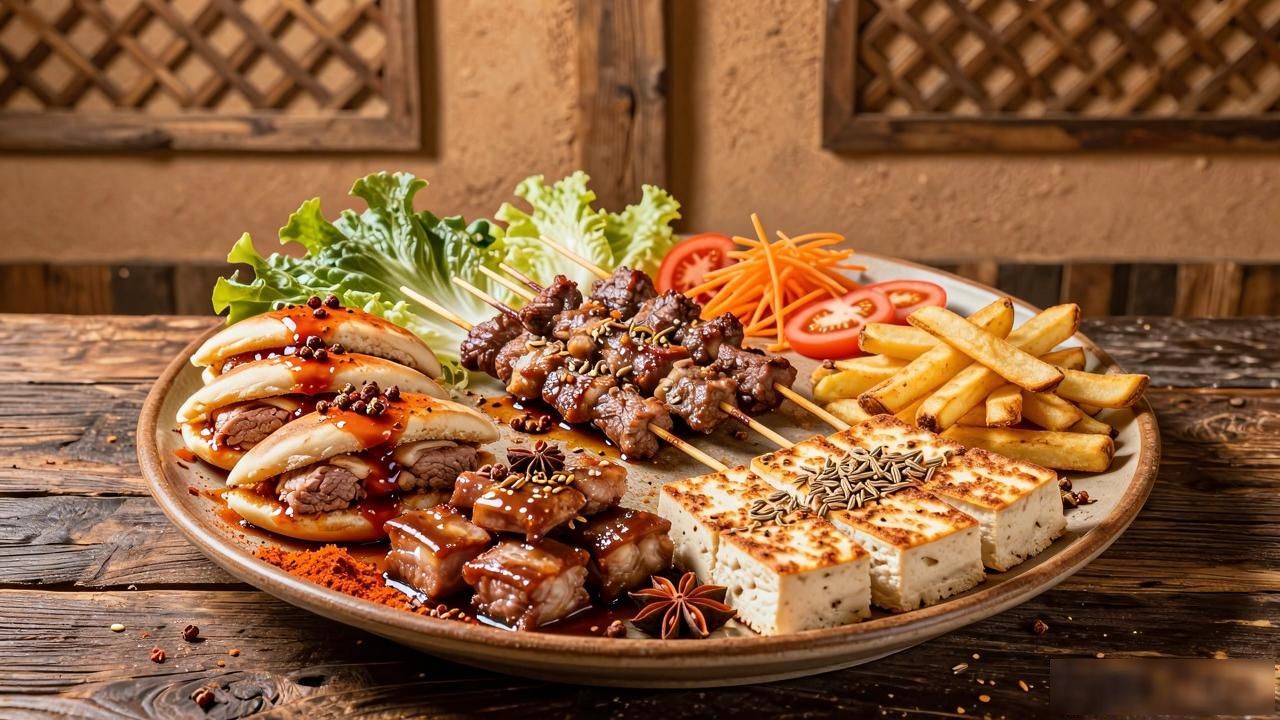
For a more luxurious option, try the Big Feast Plate, a communal dish featuring various meats,vegetables, and tofu. It reflects the hospitality of the region, encouraging sharing and conversation. Dining here allows you to appreciate the intricate balance of spices that define Northwest Chinese cuisine. Cumin, star anise, and Sichuan peppercorns are used generously, creating a complex aroma that lingers. Each bite tells a story of trade routes, ethnic fusion, and historical resilience. Embracing these flavors connects you to the enduring spirit of the city.