
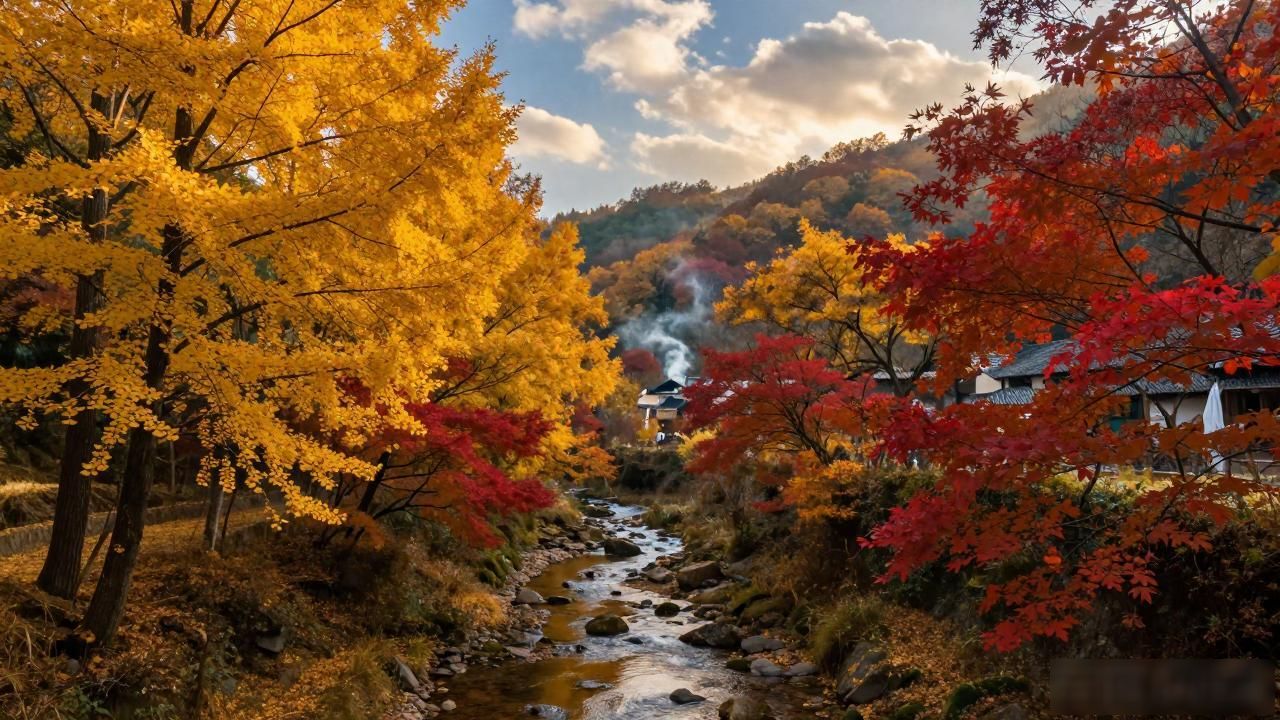
Autumn in China is often associated with the Great Wall or the Yellow Mountain, but these crowded tourist traps miss the raw, untouched beauty that defines the true season. For travelers seeking solitude and authentic landscapes, the real magic lies in lesser-known valleys and remote villages where the colors are vibrant and the crowds are nonexistent. This guide reveals those quiet corners, offering a deeper connection to nature’s annual masterpiece without the noise of mass tourism.
Where to find autumn leaves in China away from tourists?

The Yunnan province offers a diverse tapestry of foliage that rivals Japan’s famous seasons, yet remains largely undiscovered by international visitors. The valley of Yuanyuan, nestled high in the Diqing Tibetan Autonomous Prefecture, transforms into a golden corridor every October. Birch trees line the riversides, their leaves turning brilliant yellow against the backdrop of snow-capped peaks. Here, the air is crisp, and the silence is profound. You can hike along the trails without hearing a single camera shutter click, only the wind rustling through the branches. This region provides an intimate experience with nature, far removed from the commercialized hotspots found in other parts of Asia.
Another hidden gem lies in the Gansu Province, specifically around Zhangye Danxia. While the rainbow mountains attract attention, the surrounding forest areas near Wuqia Town offer spectacular fall views. The contrast between the colorful rock formations and the red and orange maple leaves creates a surreal visual experience. Local herders still graze their sheep here, adding a rustic charm to the landscape. The roads are less maintained, which keeps the buses away, allowing independent travelers to explore at their own pace. It is a place for those who appreciate rugged beauty and want to witness the earth in its most vivid state.
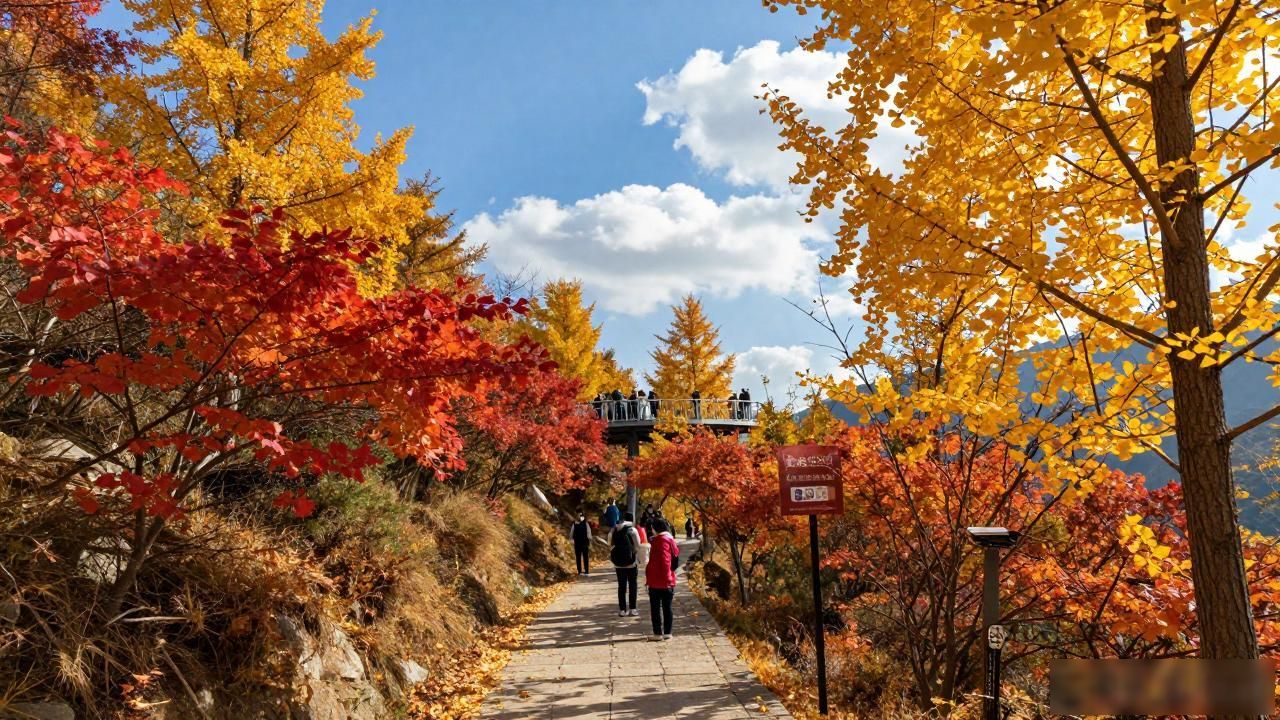
How to travel to remote autumn spots in China safely?
Reaching these secluded areas requires careful planning and a willingness to embrace the unexpected. Public transportation options are limited, so hiring a local driver or renting a car with a knowledgeable guide is essential. In regions like Sichuan’s Garzhe Tibetan Autonomous Prefecture, the terrain can be challenging, especially after rain. Roads may be narrow and winding, demanding steady hands and calm nerves. However, the effort is rewarded with stunning vistas that few ever see. Travelers should prepare for varying weather conditions, packing layers and sturdy footwear. Connectivity can be spotty in these remote zones, so downloading offline maps and informing someone of your itinerary is crucial for safety.
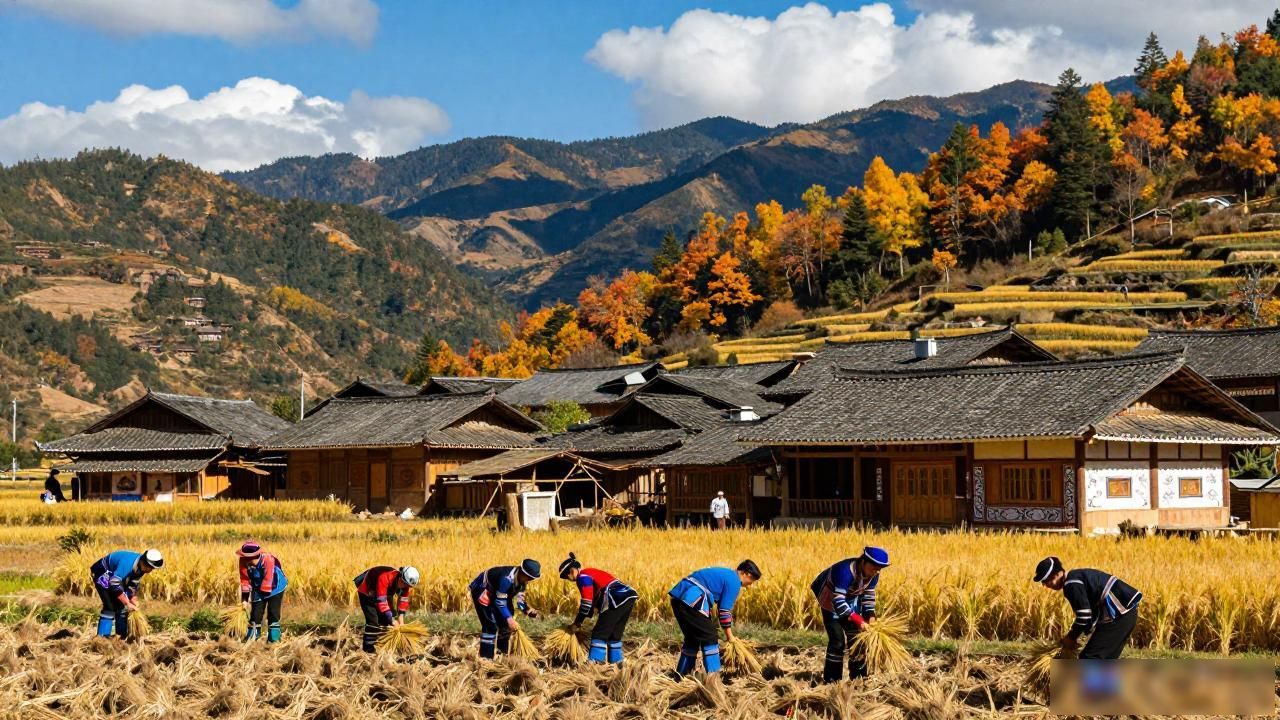
Health and respect for local customs also play a vital role in ensuring a smooth journey. Many of these hidden spots are home to ethnic minority communities, such as the Yi or Miao people. Understanding basic etiquette, such as asking permission before taking photos of locals or respecting sacred sites, fosters goodwill and enriches the cultural exchange. It is important to travel lightly, leaving no trace behind. By choosing these off-the-beaten-path destinations,you contribute to sustainable tourism practices that help preserve the delicate ecosystems and traditional lifestyles. This approach allows you to immerse yourself fully in the season, creating memories that are both personal and meaningful.