
Navigating China’s digital ecosystem can feel like stepping into a different world, but having the right tools on your phone makes all the difference. As an expat who has called Beijing home for over five years, I have learned that survival here depends less on cash and more on connectivity. Most Western tourists underestimate how essential local applications are for daily life, from booking trains to ordering dinner. This guide strips away the confusion by focusing on the few apps that truly matter, ensuring your trip is smooth, safe, and deeply connected to the local rhythm.
Best Navigation And Map Apps In China

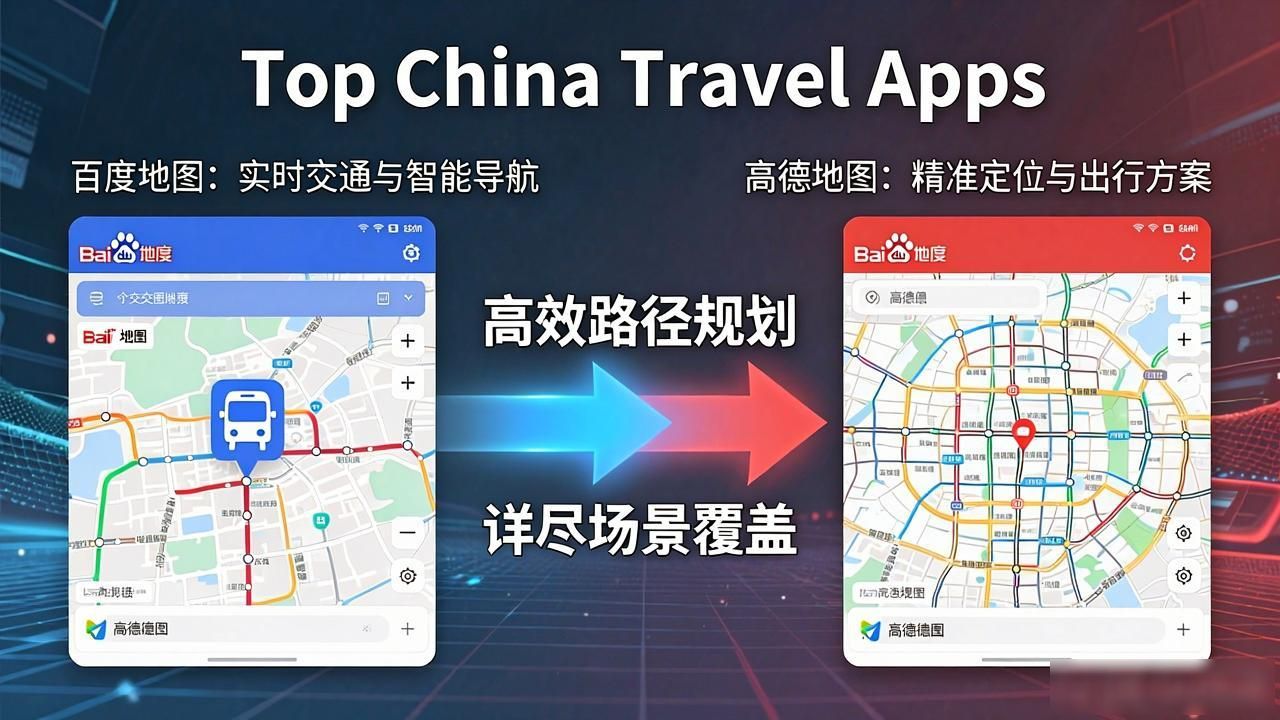
Google Maps is essentially useless here due to data restrictions and inaccurate routing. Instead, you must rely on either Baidu Maps or Amap (Gaode Ditu). Both are incredibly detailed, showing real-time traffic, underground subway lines, and even which exit leads to which street corner. For English speakers, the interface might look intimidating at first, but the visual cues are universal. You can input destinations in English, and the app will guide you precisely.
Amap often provides slightly better walking directions and integrates seamlessly with ride-hailing services. It also highlights pedestrian-friendly routes, which is crucial since many major cities have complex overpasses and separated walkways. Baidu Maps is a solid alternative, especially if you need to find specific landmarks or businesses that are well-known locally. Learning to read these maps correctly is your first step toward independence in Chinese cities.
Essential Payment And Ride-Hailing Tools
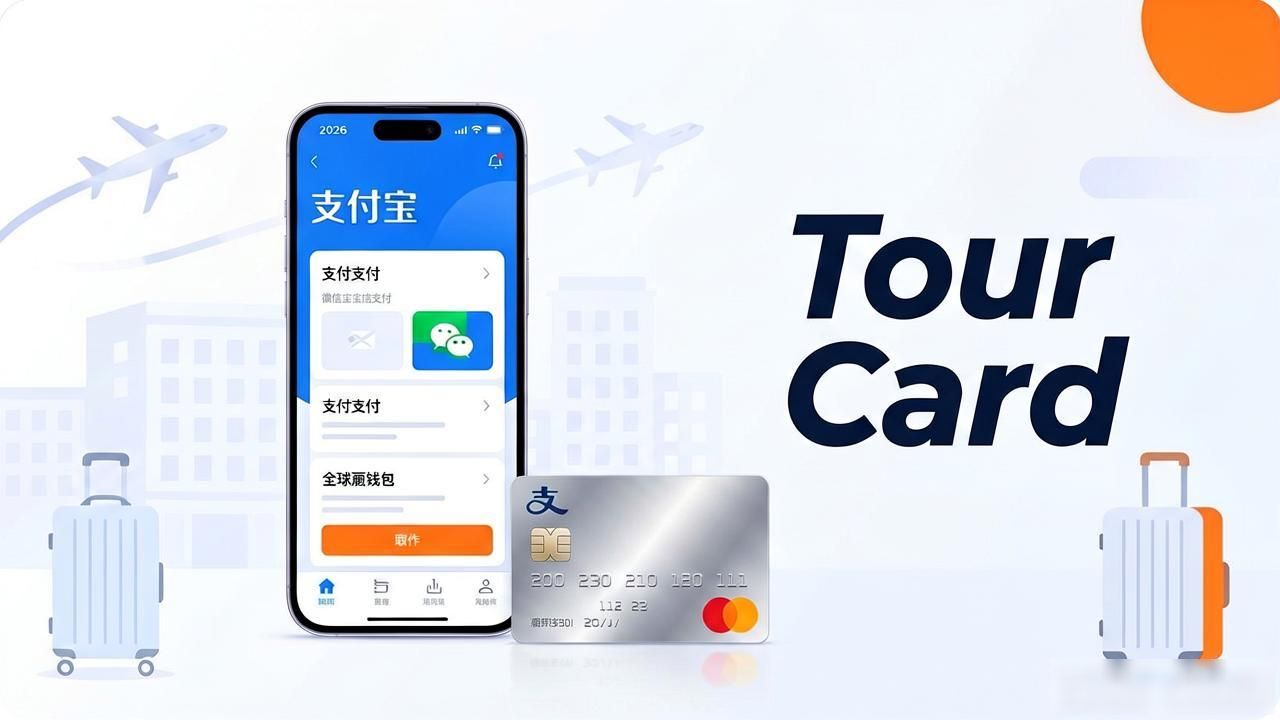
Alipay and WeChat Pay are not just payment methods; they are your digital wallets, ID cards, and ticket stubs combined. Having both installed and linked to your international credit card is non-negotiable. While Alipay has a dedicated “Tour Card” feature that simplifies linking foreign Visa or Mastercard accounts, WeChat Pay requires a bit more setup but offers deeper integration with social features. You will use these apps for everything,including buying vegetables at wet markets.
For transportation, Didi Chuxing is the definitive answer. It operates similarly to Uber but with a much larger fleet and more reliable service. The app allows you to set your pickup location precisely, choose between economy or premium cars, and track your driver in real-time. English support is built-in, making it stress-free for foreigners. Public transit apps like MetroMan are also handy for navigating subway systems without relying solely on Didi, saving money during peak hours.
Dining And Entertainment Platforms
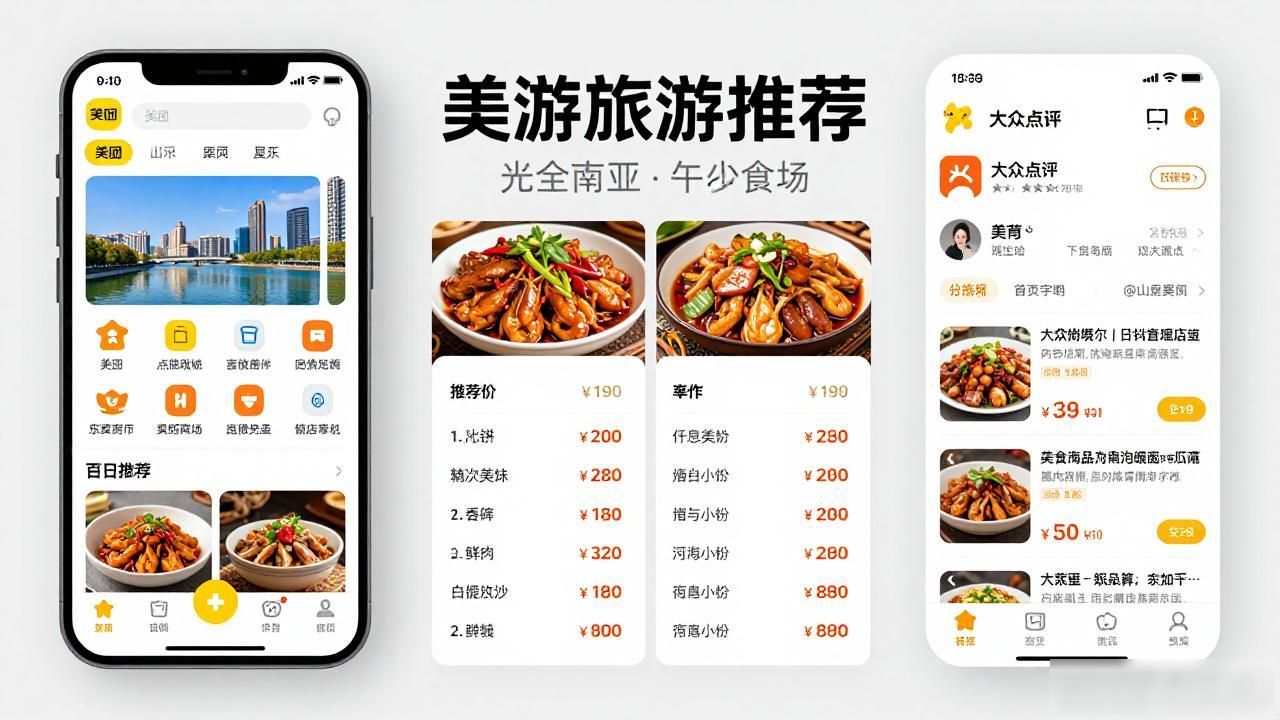
Guessing what a dish looks like can lead to unpleasant surprises, so using Meituan or Dianping before ordering is wise. These platforms offer extensive photo galleries, user reviews, and price comparisons for restaurants across the country. Dianping is particularly powerful for finding high-quality local eateries that tourists often miss. You can browse menus in English on Meituan, which helps avoid ordering items you cannot eat.
Entertainment tickets for movies, concerts, or theme parks are rarely sold at physical boxes anymore. Almost everything is booked through these same apps. Checking availability and prices beforehand ensures you do not miss out on popular events. Embracing these digital tools transforms your travel experience from passive observation to active participation, allowing you to enjoy China as the locals do.