
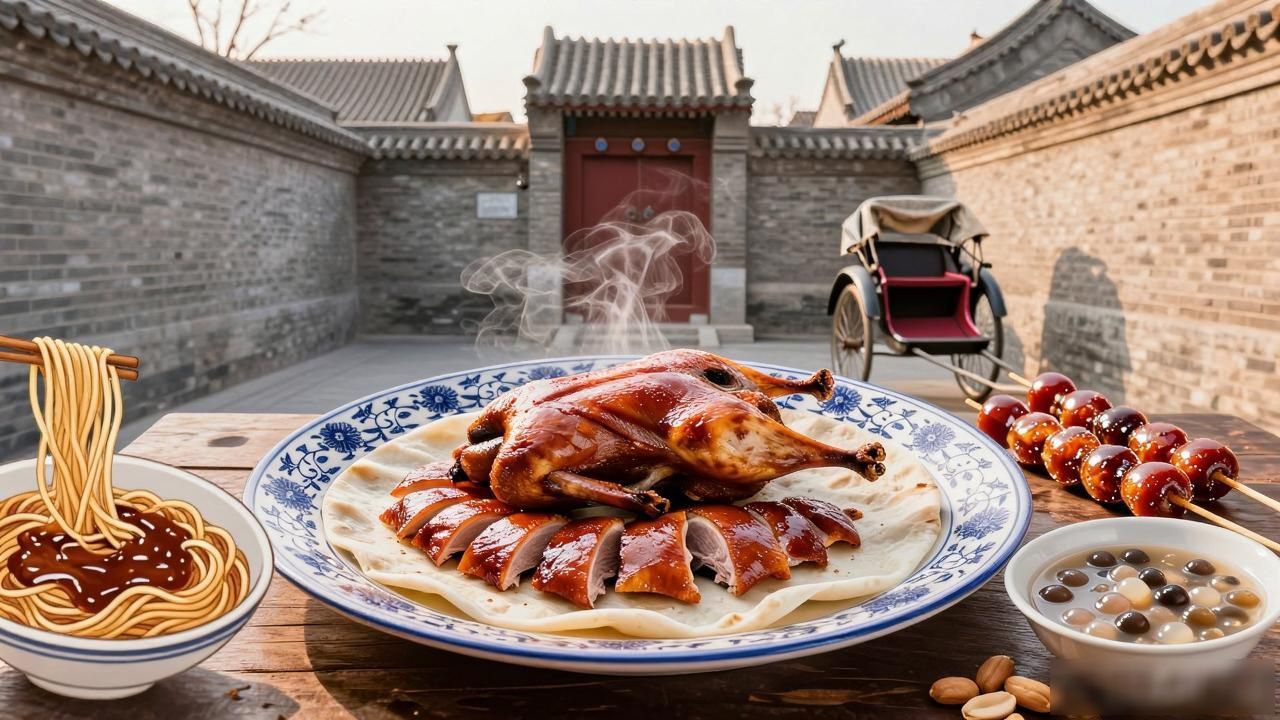
Beijing food heritage is not just about eating; it is a story of imperial grandeur, cultural fusion,and centuries-old craftsmanship that defines the capital’s soul. From the smoky aroma of roast duck to the delicate layers of dumplings, every dish carries the weight of history. This culinary landscape reflects the city’s evolution from a royal seat to a modern metropolis, yet its traditional flavors remain stubbornly intact. For visitors and locals alike, understanding these tastes means unlocking the deepest cultural secrets of China’s political center. It is an edible archive where every bite tells a tale of survival, celebration, and artistic refinement.
Why Is Peking Duck The Icon Of Beijing Cuisine

The origins of this famous dish trace back to the Ming Dynasty, when it was served exclusively in imperial kitchens. Chefs developed techniques to achieve a skin so crisp it shatters like glass while the meat remains tender and juicy. This was not mere cooking; it was alchemy. The preparation involves air-pumping the duck to separate skin from fat, followed by drying and roasting over fruitwood fires. Each step requires precision passed down through generations. Today, restaurants compete fiercely for the title of authentic, but the core method remains unchanged.
Eating Peking duck is a ritual that demands attention and patience. It begins with the slicing, where the chef carves the bird tableside, ensuring each piece has a perfect ratio of skin, fat, and lean meat. Diners then wrap these slices in thin pancakes with scallions and sweet bean sauce. The combination creates a complex flavor profile that balances richness with freshness. This interactive dining experience highlights the social nature of Chinese meals, where sharing food strengthens bonds. It is a sensory journey that connects modern eaters to ancient traditions.
How Did Imperial Palace Recipes Shape Local Flavors
Beyond the duck, the Forbidden City’s culinary legacy deeply influenced everyday Beijing dishes. Chefs in the palace had access to the finest ingredients from across the empire, leading to sophisticated combinations of flavors. When these cooks left the palace, they brought their skills to the streets, elevating local street food to new heights. Dishes like Zhajiangmian, a noodle dish topped with fermented soybean paste, originated from this intersection of imperial luxury and common necessity.
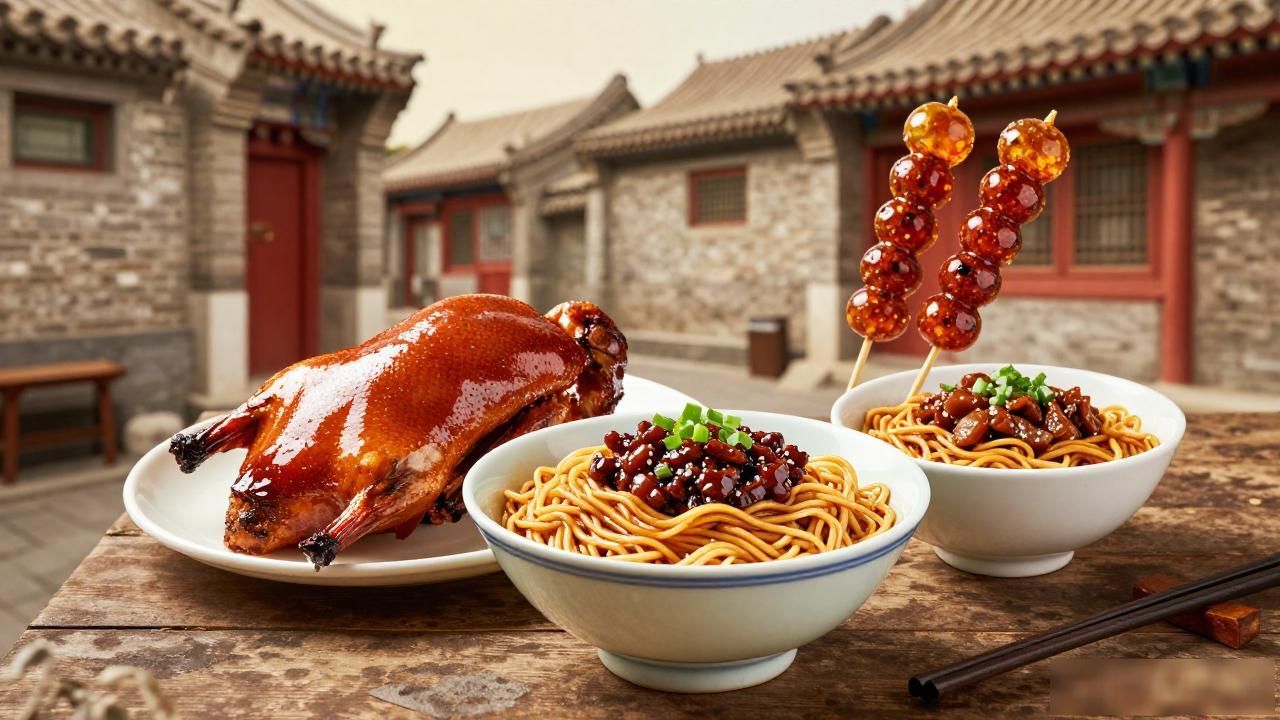
The preservation techniques used in the palace also shaped regional preferences. Salting, pickling, and fermenting were essential for storing food during harsh winters. These methods created distinct textures and umami-rich profiles that are now hallmarks of Beijing cuisine. Street vendors adopted these practices, making them affordable and accessible to all citizens. As a result, the boundary between high-end imperial cuisine and humble street food blurred, creating a unique culinary ecosystem. This democratization of taste ensures that the essence of heritage lives on in every alleyway and market stall, keeping the past alive in the present.