
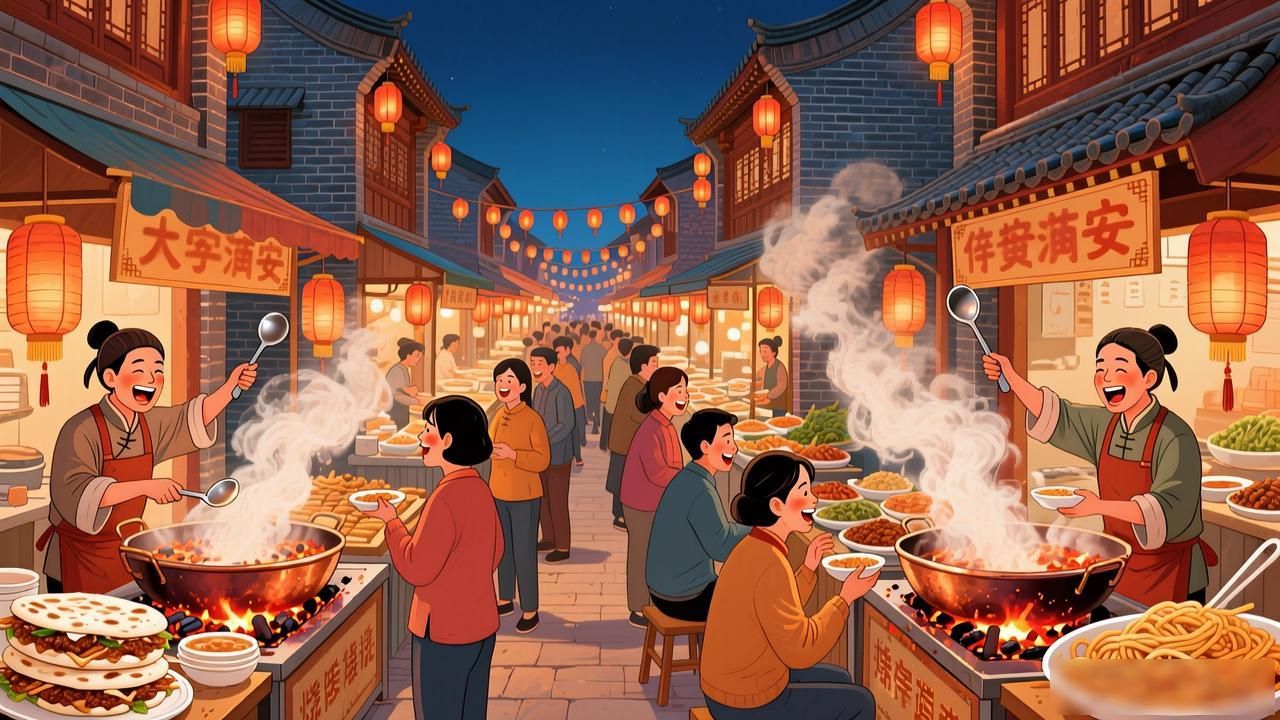
Walking through the neon-lit alleys of Chengdu or the bustling night markets of Taipei offers an experience that no Michelin-starred restaurant can replicate. The air is thick with the scent of cumin, chili oil, and sizzling meat. For travelers seeking authentic local culture, street food is not just a meal; it is the heartbeat of urban life in China. It provides immediate access to regional flavors, affordable dining, and a vibrant social atmosphere where locals gather after work.
Why is street food in Chinese cities so popular?

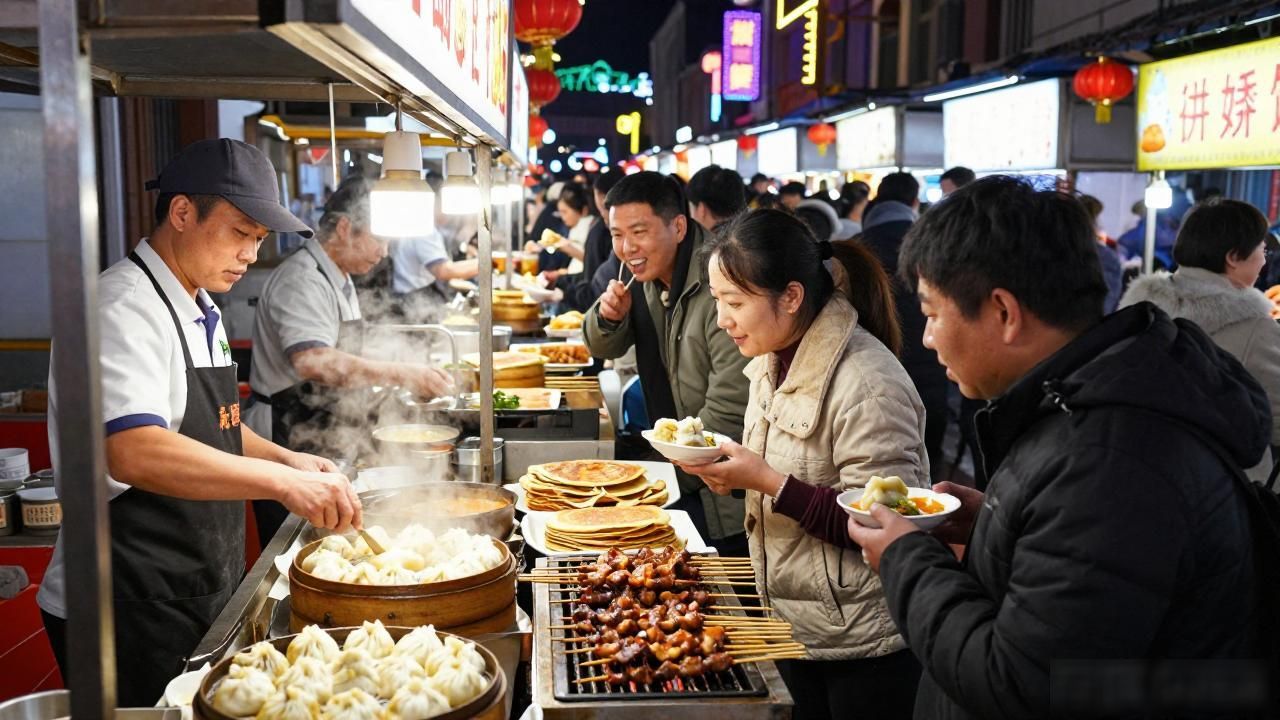
Night markets have been a staple of Chinese urban culture for centuries, evolving from simple stalls into elaborate culinary hubs. In cities like Xi’an, the Muslim Quarter transforms into a sensory overload of sounds and smells as evening falls. Vendors shout out their specials while customers queue up for skewers, dumplings, and spicy noodles. This accessibility makes it easy for anyone to try dozens of different dishes in one night without breaking the bank.
The diversity reflects the vast geography of China. Northern cities offer hearty wheat-based foods like hand-pulled noodles, while southern coastal towns specialize in fresh seafood and delicate dim sum. Each region has its own signature spices and cooking techniques. Travelers can taste the numbing peppercorns of Sichuan or the sweet soy glazes of Shanghai within hours of each other. This variety ensures that there is something for every palate, regardless of dietary preferences.
Where should tourists try street food in Chinese cities?
Chengdu’s Jinli Ancient Street is a must-visit for spice lovers. Here, you can find stinky tofu and rabbit heads alongside traditional sugar painting. The atmosphere is lively, often accompanied by face-changing performances nearby. It is perfect for those who want to combine entertainment with gastronomy. The food here is bold,flavorful, and deeply rooted in local tradition.
In contrast, Guangzhou’s Shangxiajiu Pedestrian Street offers a more refined street food experience. Dim sum stalls operate late into the night, serving steamed buns and rice rolls. It is less about heat and spice, and more about texture and freshness. Visitors can enjoy a lighter meal while exploring historic arcades. This balance of old and new defines the unique charm of Chinese urban dining.
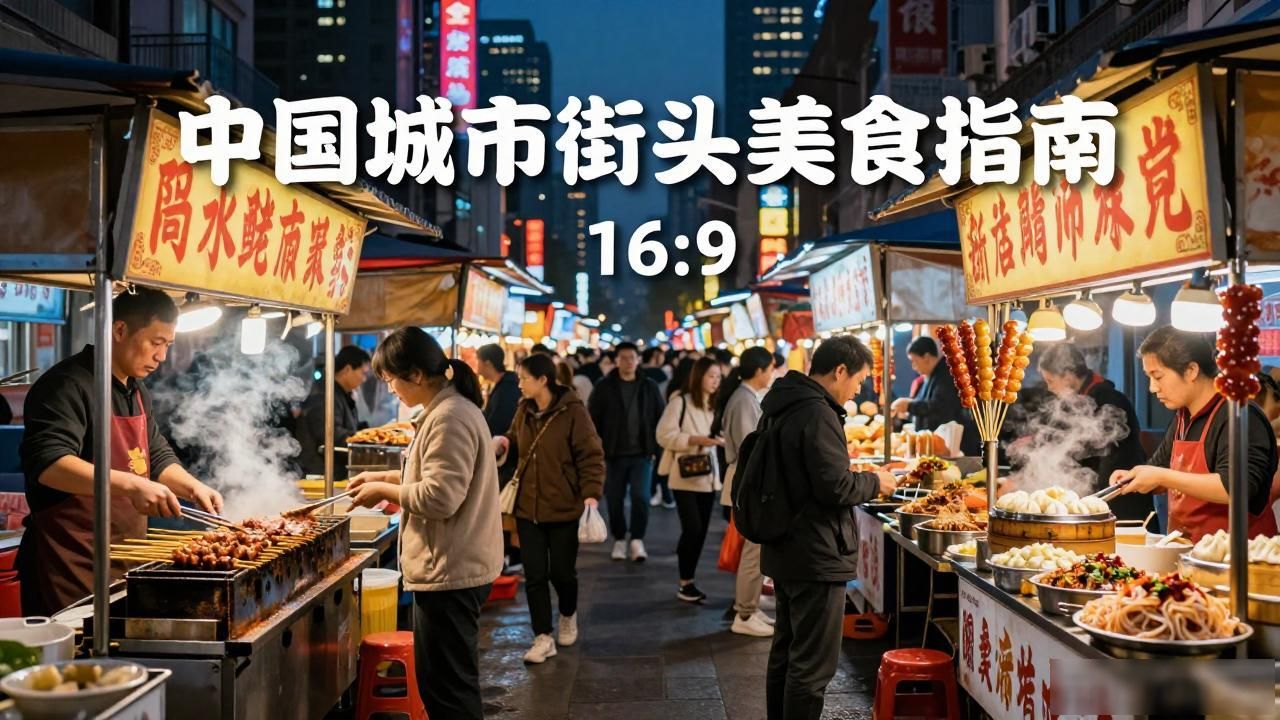
Beijing’s Qianmen Street mixes modern trends with historical significance. You will find both classic Peking duck wraps and innovative fusion snacks. The area attracts a mix of locals and international tourists looking for a quick bite before heading to the Forbidden City. Trying local snacks here connects you directly with the city’s imperial history.
Finally, do not overlook smaller alleyways in residential neighborhoods. These spots often host the most authentic vendors who have served the community for decades. They may not have English menus, but the universal language of food speaks volumes. Carrying cash is essential as many small vendors do not accept digital payments. Embrace the chaos, ask for recommendations, and let the flavors guide your journey through these vibrant cities.