
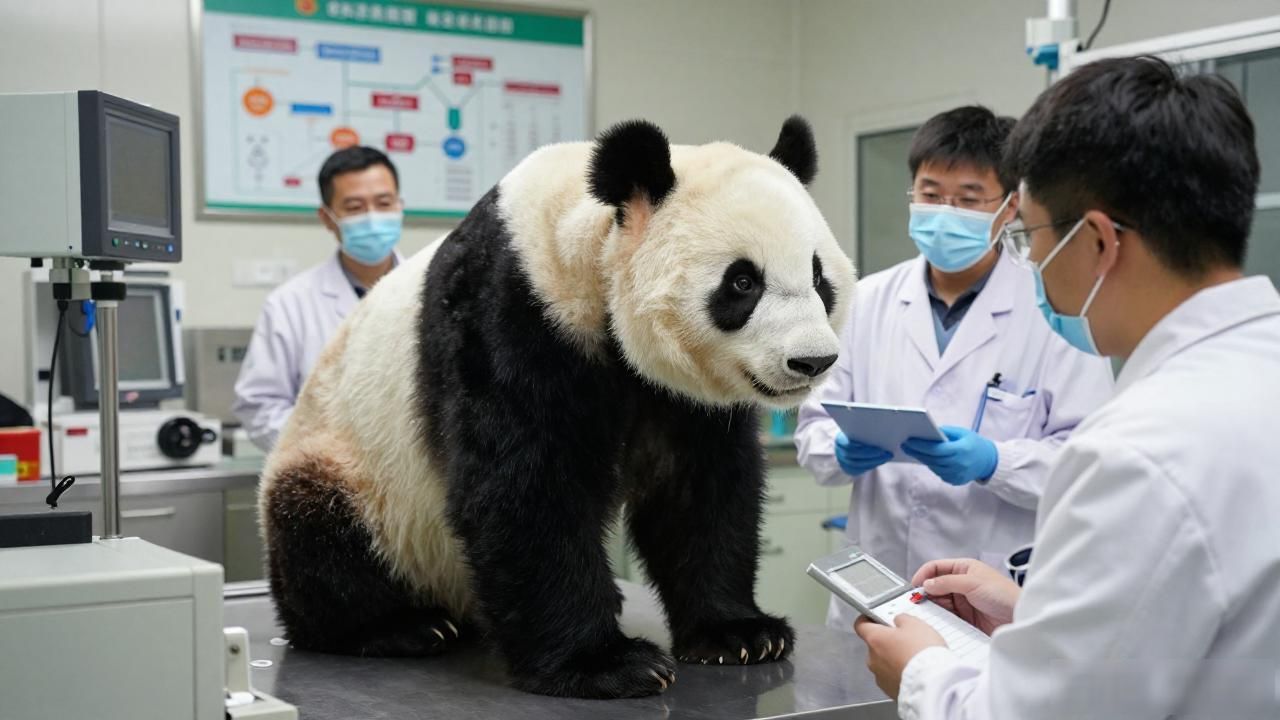
Giant pandas are more than just beloved wildlife; they are a global symbol of conservation success. For decades, scientists and zoologists have worked tirelessly to understand their unique biology and reproductive challenges. The primary goal is not just to increase numbers but to ensure genetic diversity and long-term survival in both captive and wild environments. This effort involves complex strategies that balance animal welfare with scientific rigor, aiming to reverse the trend that once pushed these creatures to the brink of extinction.
Why is panda breeding so difficult?

Reproducing giant pandas in captivity presents a unique set of biological hurdles. Female pandas have an extremely short estrus cycle, often lasting only 24 to 72 hours each year. This narrow window makes timing insemination or natural mating incredibly challenging for keepers and veterinarians. Furthermore, pandas are naturally solitary animals, which complicates the process of introducing potential mates without causing stress or aggression.
The physical structure of the female reproductive tract also plays a significant role in this difficulty. Unlike many other mammals, the panda’s anatomy makes natural conception rare even when mating occurs successfully. Many pregnancies end in abortion or stillbirth, requiring careful monitoring and intervention. Scientific teams must rely on advanced techniques such as artificial insemination to maximize the chances of successful reproduction. These methods require precise hormonal tracking and skilled execution to mimic natural conditions effectively.
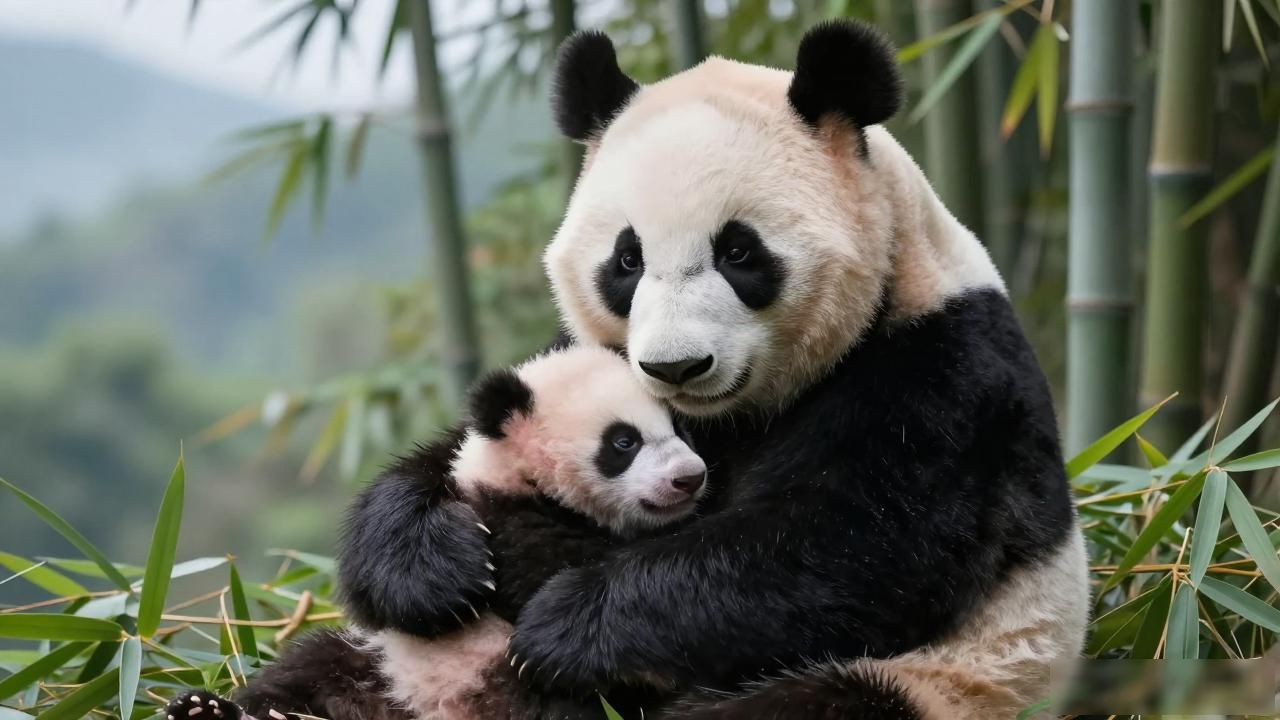
Another critical factor is the low birth weight of panda cubs. Newborns are tiny, blind, and entirely dependent on their mothers for survival. They weigh only about 100 grams, roughly 1/900th of the mother’s body weight. This fragility means that any disruption in maternal care can lead to fatal outcomes. Conservationists often have to intervene by hand-rearing cubs when mothers reject them or lack sufficient milk, ensuring the next generation has a fighting chance.
What role does habitat play in breeding success?
While captive breeding programs have achieved remarkable results, they are only part of the solution. The long-term health of panda populations depends heavily on habitat preservation. Large, connected forest corridors allow pandas to move freely,find mates, and maintain genetic diversity. Without these natural pathways, isolated groups face inbreeding depression and reduced resilience to disease.
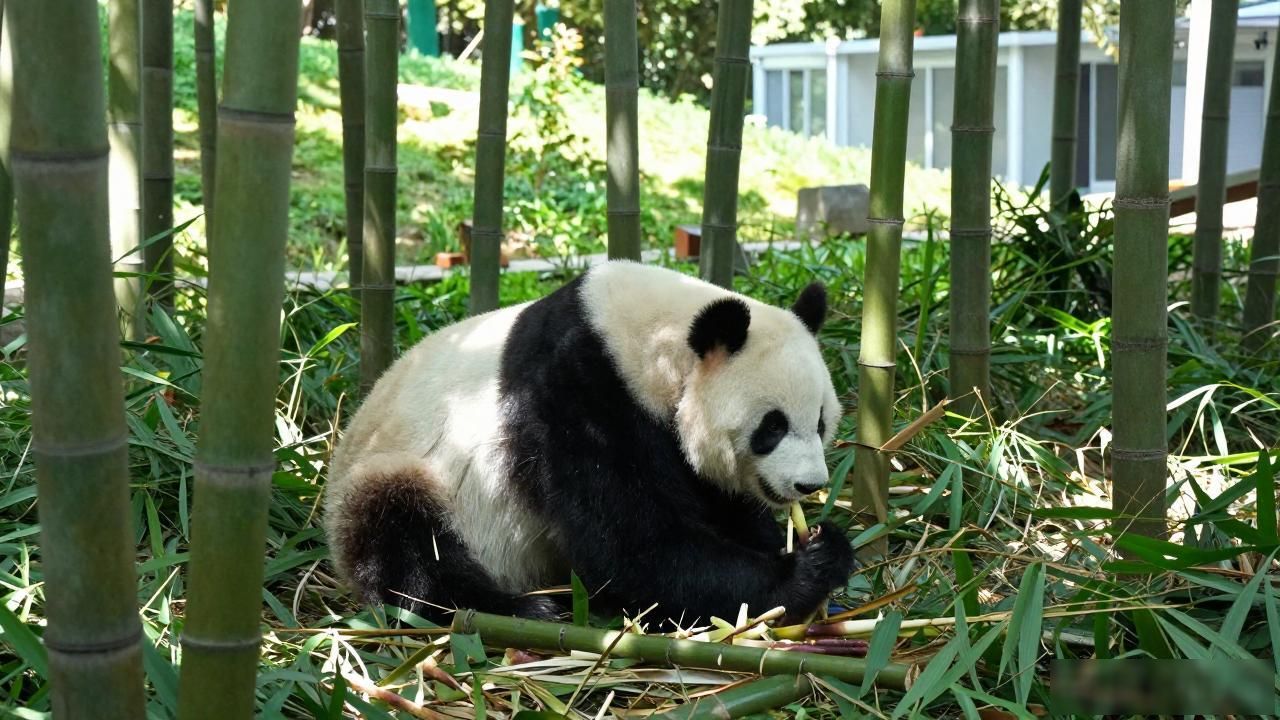
Conservation efforts now focus on restoring bamboo forests, which constitute over 99% of a panda’s diet. Bamboo blooms die off periodically, leading to food shortages that force pandas to migrate. Protecting these areas ensures that wild pandas have stable food sources during critical breeding seasons. Community involvement is essential for protecting these habitats from logging, agriculture, and infrastructure development. Local communities are educated on sustainable practices that coexist with wildlife conservation.
International cooperation further strengthens these initiatives. Zoos worldwide share genetic data and breeding expertise to prevent inbreeding in small captive populations. Reintroduction programs release captive-bred pandas into protected reserves, where they can adapt to wild conditions under supervision. This holistic approach combines scientific innovation with ecological stewardship, offering hope for the future of one of the world’s most iconic species.