

Yunnan stands as a sanctuary of biodiversity and cultural richness in southwestern China, offering landscapes that range from alpine glaciers to subtropical rainforests. For international travelers, the province is not just a destination but an immersion into raw, untouched nature. The region’s varied topography creates microclimates that support unique ecosystems, making it a prime spot for those seeking to escape urban congestion and connect with the earth. Understanding the best times to visit and the key regions to explore is essential for a seamless experience.
Where to Find Best Yunnan Natural Scenery Travel Spots?

The journey often begins in Lijiang, where the ancient town serves as a gateway to the majestic Jade Dragon Snow Mountain. The mountain’s nine peaks create a dramatic backdrop, accessible via cable cars that offer breathtaking views of the glaciers and verdant valleys below. Nearby, the Blue Moon Valley provides crystal-clear turquoise waters that contrast sharply with the white snow, a visual delight that photographers and nature lovers alike find irresistible. The area is well-developed for tourism, yet the natural beauty remains pristine and awe-inspiring.
Further north lies Shangri-La, a place steeped in Tibetan culture and high-altitude serenity. Here, Pudacuo National Park protects vast wetlands and forests that are home to rare wildlife. The air is thin and crisp, and the landscape shifts dramatically with the seasons. In summer, the meadows burst with wildflowers, while winter brings a quiet, snowy silence that invites deep reflection. Travelers should prepare for altitude sickness by acclimatizing gradually and staying hydrated, ensuring that the physical challenge does not overshadow the spiritual and visual rewards of the region.
How to Plan Safe Yunnan Natural Scenery Travel Itinerary?
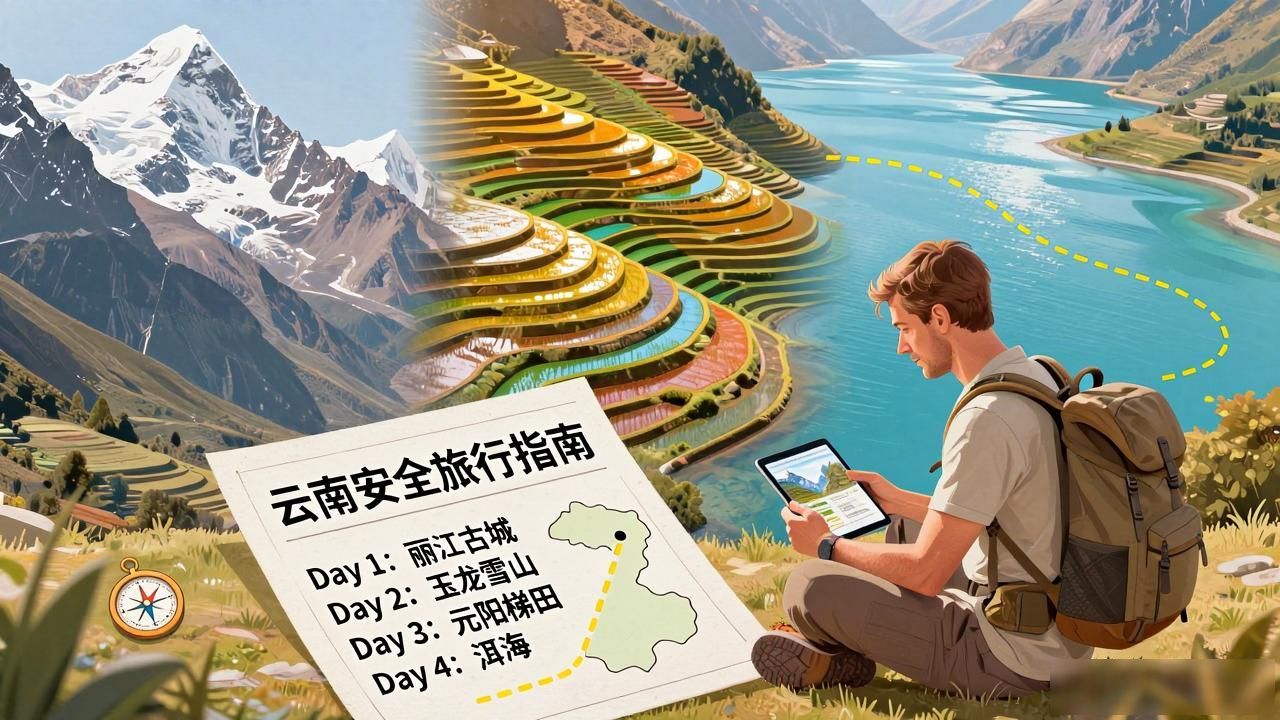
A practical itinerary must balance exploration with rest, particularly when navigating the diverse terrains of Yunnan. Starting in Kunming, the “Spring City,” allows visitors to ease into the climate before heading to higher altitudes. From there, moving south to Xishuangbanna offers a stark contrast with its tropical rainforests and subtropical warmth. This region is ideal for experiencing Southeast Asian influences within China, featuring lush vegetation and vibrant local markets. The transition from cool mountains to humid jungles showcases the incredible ecological diversity of the province.

Logistics play a crucial role in enjoying these natural wonders. Domestic flights and high-speed trains have improved connectivity, making remote areas more accessible. However, hiring a local guide who understands both the terrain and the cultural nuances can significantly enhance the experience. Guides can lead hikers through lesser-known trails in places like Tiger Leaping Gorge,where the Yangtze River carves a deep chasm between towering cliffs. Respect local customs and environmental regulations to ensure that these landscapes remain preserved for future generations. Engaging with communities respectfully adds depth to the journey, turning a simple trip into a meaningful cultural exchange.