
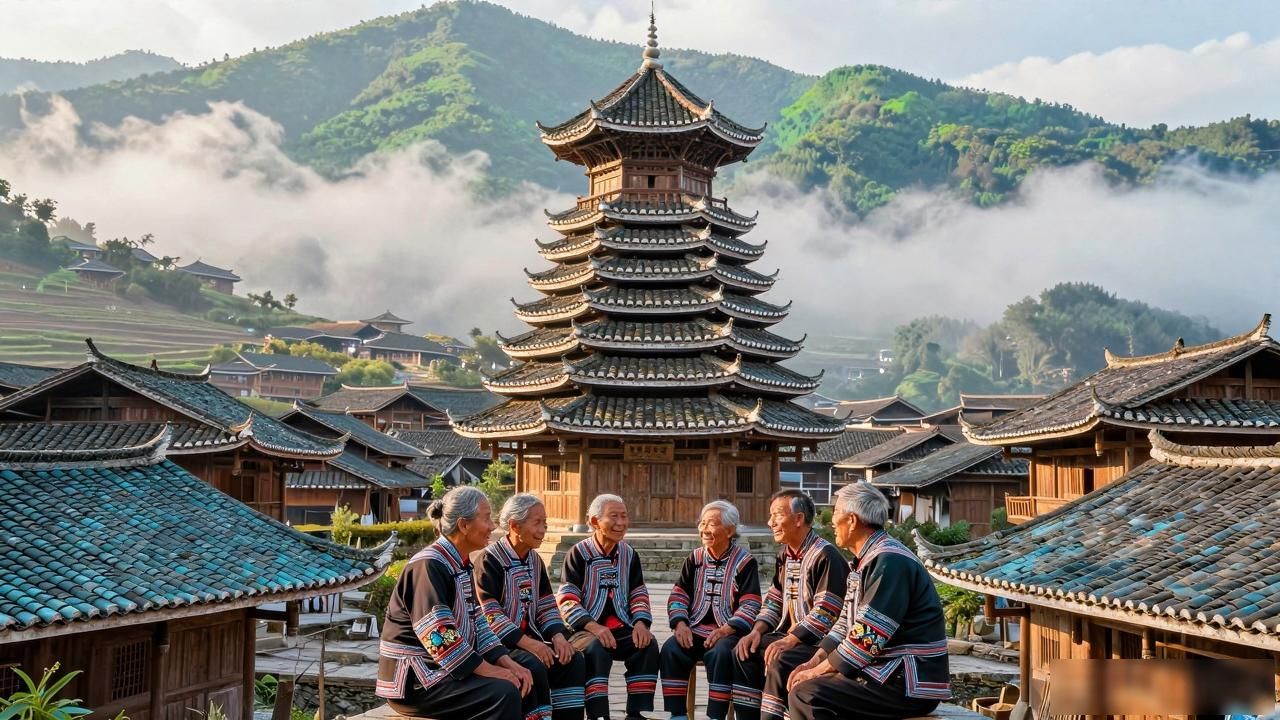
China is often recognized for its ancient history, bustling megacities, and iconic landmarks like the Forbidden City. However, there exists a vast, vibrant cultural tapestry that remains largely undiscovered by the average traveler. The western and southern provinces of China are home to dozens of distinct ethnic groups, each preserving unique traditions, languages, and architectural styles. This diversity offers a profound alternative to standard tourism, allowing visitors to witness living histories that have survived centuries of change. Engaging with these communities provides a deeper understanding of the country’s social fabric. It transforms a trip from a simple sightseeing tour into an immersive cultural exchange. Travelers seeking authenticity will find that these regions offer warmth, hospitality, and experiences that cannot be replicated elsewhere.
What makes ethnic minority China tourism unique?

The appeal lies in the preservation of distinct identities within a rapidly modernizing nation. In places like Yunnan,Guizhou, and Guangxi, traditional lifestyles remain intact. You might find yourself in a Dong village, admiring their magnificent wooden drum towers, or walking through a Miao settlement where intricate silver jewelry is a daily norm. These are not staged performances for tourists but genuine expressions of community life. The architecture itself tells a story of adaptation to local environments and spiritual beliefs. Stilt houses, tulou earthen buildings, and stone villages reflect ingenious engineering suited to mountainous terrains.
Food plays a central role in this cultural immersion. Each group has its own culinary signature, often based on locally sourced ingredients and ancient fermentation techniques. Trying sour soup fish in Guizhou or drinking rice wine in a Tibetan home is more than just dining; it is participating in a ritual. The flavors are bold, complex, and deeply tied to the land. Sharing a meal creates immediate bonds between hosts and guests. It breaks down barriers and invites curiosity. This sensory richness is what defines the experience, offering memories that linger long after the journey ends.
How can travelers connect authentically with local communities?
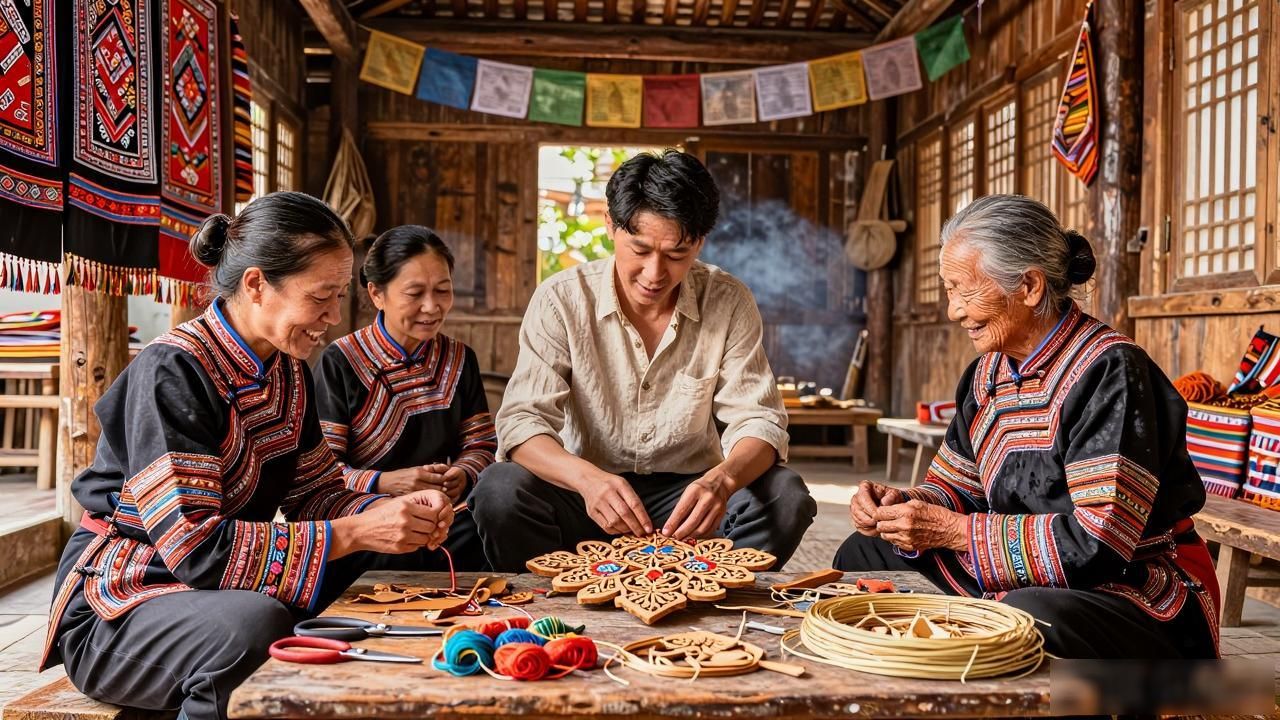
Authentic connection requires stepping off the beaten path and engaging with respect. Homestays in rural areas provide the best opportunity for genuine interaction. Living with a local family allows travelers to observe daily routines, learn simple phrases, and participate in household activities. This level of access is rarely available in hotels or resorts. It fosters mutual understanding and dispels stereotypes. Visitors often find that their presence is welcomed with open arms, leading to friendships that transcend cultural differences.
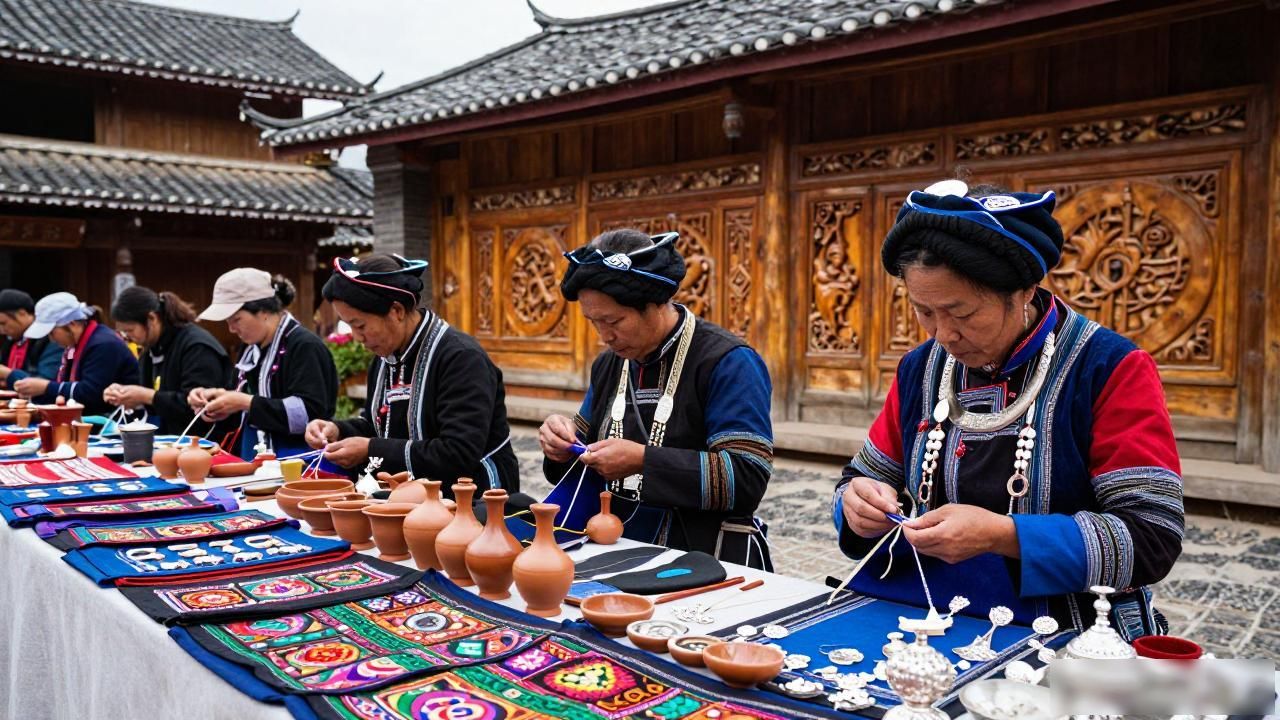
Supporting local artisans directly helps sustain traditional crafts. Buying handmade textiles, pottery, or silverwork ensures that income stays within the community. This economic support is crucial for preserving skills that are at risk of disappearing. When purchasing souvenirs, look for items made with traditional methods rather than mass-produced alternatives. This choice respects the artisan’s labor and heritage. It also enriches the traveler’s bag with meaningful, unique pieces that tell a story.
Responsible travel also means being mindful of environmental impact. Many ethnic regions are located in ecologically sensitive areas. Respecting nature preserves the beauty that attracts visitors in the first place. Simple actions like reducing plastic waste and staying on marked trails make a significant difference. By traveling consciously, visitors contribute to the longevity of these fragile ecosystems and cultures. The goal is to leave no trace but appreciation.