
The Palace Museum, also known as the Forbidden City, holds one of the most extensive and valuable collections of Chinese art and artifacts in the world. With over 1.8 million items, many of which are national treasures, the collection spans thousands of years of Chinese history. For foreign visitors, understanding what makes this collection special can turn a simple visit into a deep cultural experience.
What are the most famous pieces in the Palace Museum collection

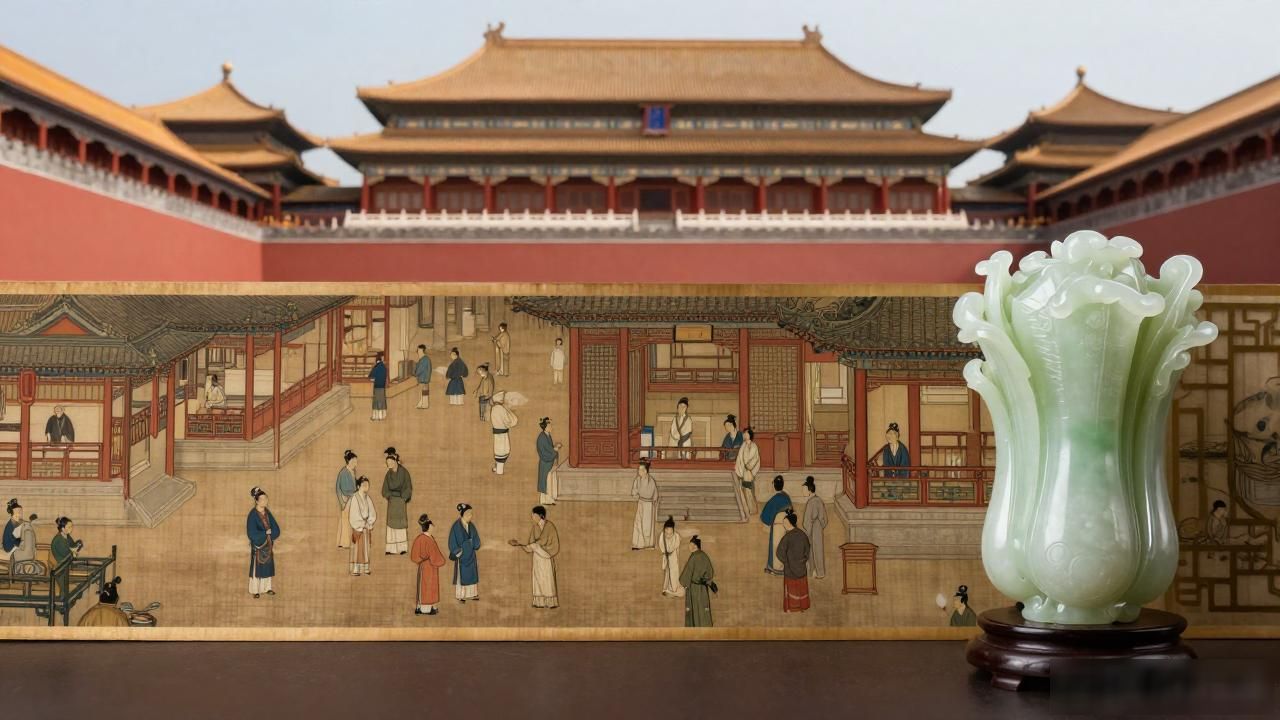
The Palace Museum collection is famous for its incredible variety and historical depth. Among the most celebrated items are the Along the River During the Qingming Festival paintings, which offer a vivid glimpse into daily life during ancient times. Another highlight is the Jadeite Cabbage with Insects, a small but masterfully carved piece that showcases the skill of Qing dynasty artisans. These pieces are not just beautiful; they tell stories about Chinese society, values, and craftsmanship.
Beyond these well-known treasures, the museum holds over 600,000 bronze artifacts, some dating back more than 3,000 years. The bronze ritual vessels, often inscribed with ancient characters, are key to understanding early Chinese civilization. Many foreign visitors are surprised by the sheer age and preservation of these items. The collection also includes rare ceramics, calligraphy, and imperial seals that were once used by emperors.
How is the Palace Museum collection organized for visitors
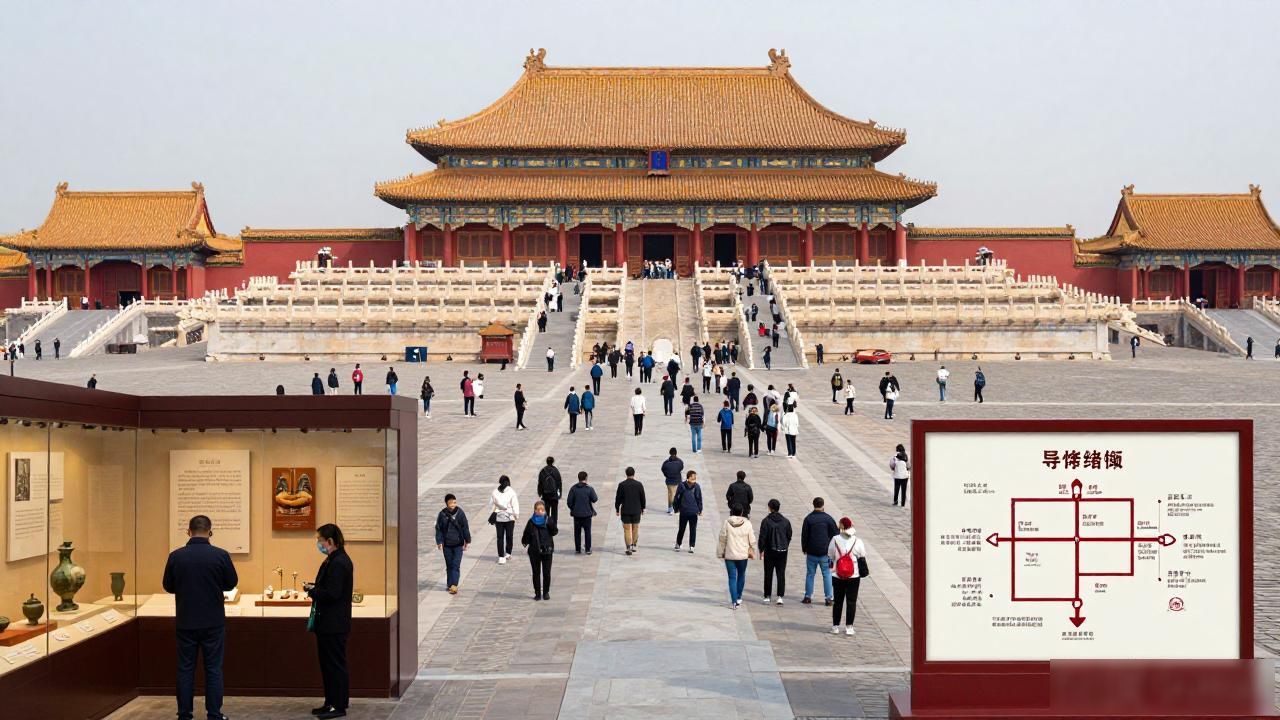
For those planning a visit, the Palace Museum collection is displayed across several themed halls and galleries. The Hall of Treasure is a must-see, featuring gold and silver items, jewelry, and ornate clocks that were gifts from foreign diplomats. Another popular section is the Gallery of Paintings and Calligraphy, where rotating exhibitions allow visitors to see masterpieces up close without overwhelming crowds.
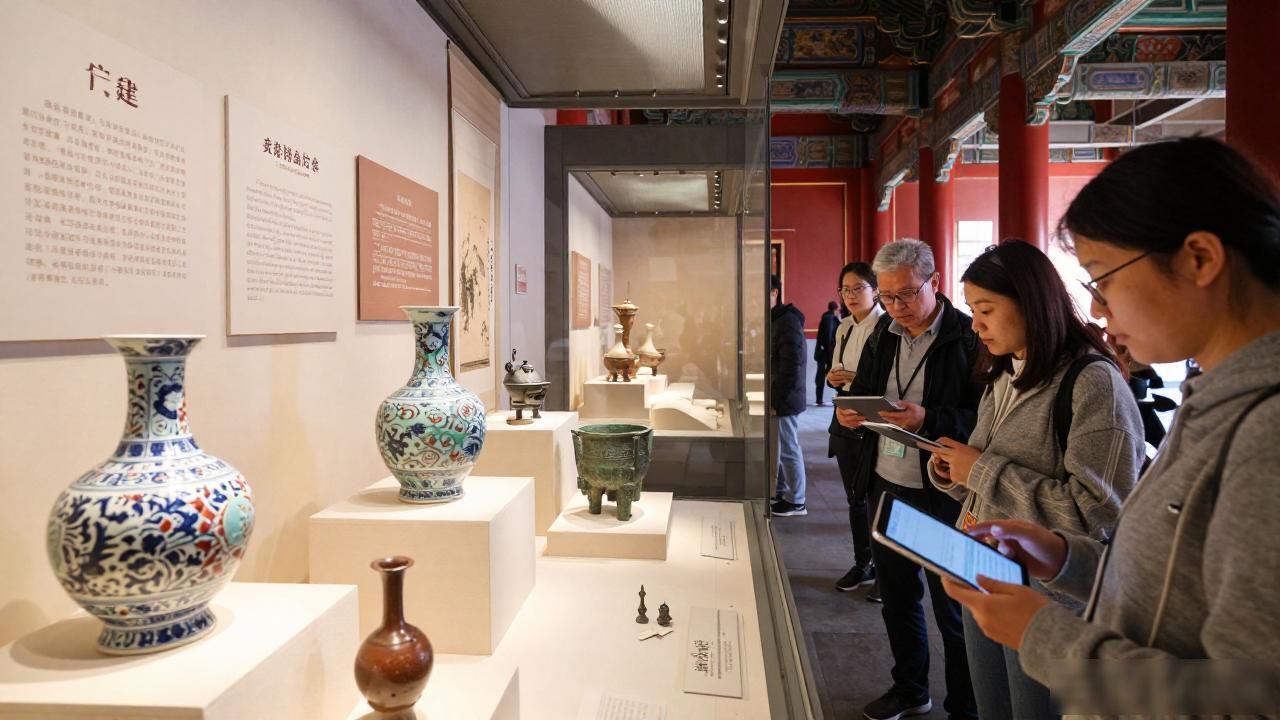
It is important to note that not all items are on display at once due to preservation needs. However, the museum offers digital guides and audio tours in multiple languages, including English. These tools help foreign visitors understand the context behind each piece. The collection is also organized chronologically and by category, making it easier to follow the evolution of Chinese art and culture.
The Palace Museum collection is a window into China’s imperial past and artistic achievements. Whether you are an art lover, a history enthusiast, or a casual traveler, the depth and diversity of the collection offer something memorable. Plan your visit around specific galleries to make the most of your time and leave with a deeper appreciation for Chinese heritage.