
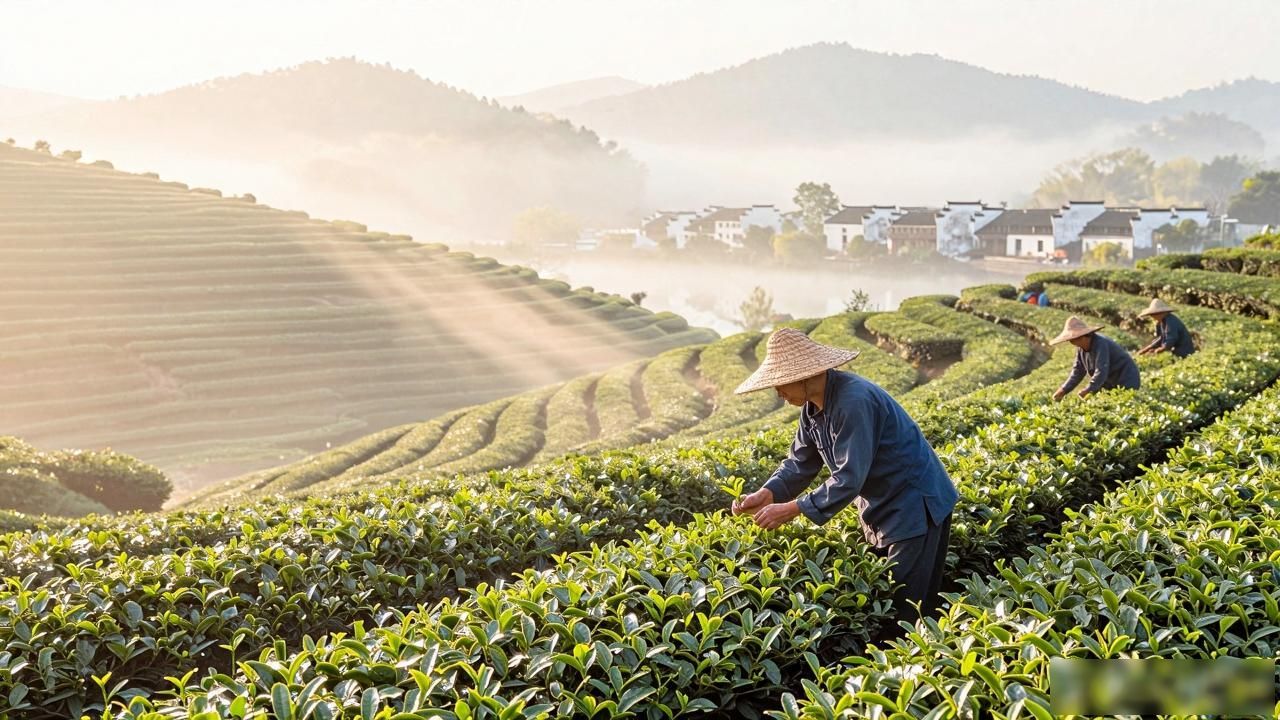
If you think drinking tea is just about sipping hot water with leaves,Hangzhou will completely change your mind. This city, nestled among misty green hills, treats tea not as a beverage but as a way of life. For visitors, especially those from the West, it offers a profound connection to history, nature, and mindfulness that is rarely found in modern cafes. The air here smells faintly of roasted leaves and rain, setting the stage for an experience that engages all senses. It is less about caffeine intake and more about slowing down to appreciate the subtle nuances of flavor and the serene environment surrounding you.

What makes Longjing tea different from others?
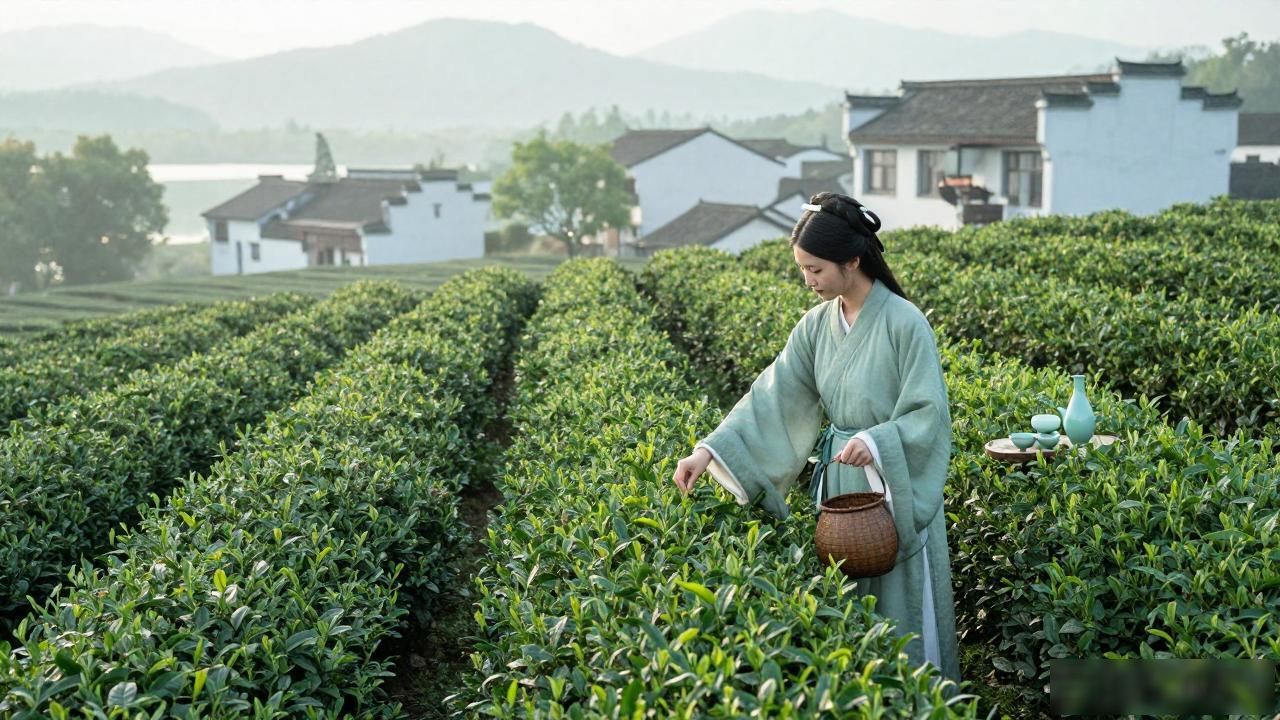
Longjing, or Dragon Well tea, is the crown jewel of Hangzhou’s tea heritage. Unlike many mass-produced teas found globally, authentic Longjing is hand-pressed and pan-fired in large woks by skilled artisans. This traditional method gives the leaves their distinctive flat shape and chestnut-like aroma. The taste is incredibly fresh, with hints of sweetness and a smooth finish that lacks the bitterness often associated with steeped leaves. You can visit local farms in the Meijiawu Tea Village to watch these masters at work, observing how they handle the delicate green leaves with bare hands. It is a testament to the precision and patience required in Chinese tea making. The season matters greatly; spring harvests yield the highest quality leaves, plucked before the rainy season begins. Tasting fresh Long龙井 directly at the source allows you to understand why locals are so passionate about this specific cultivar. It represents a perfect harmony between human effort and natural conditions, offering a flavor profile that cannot be replicated in industrial factories. Authentic Longjing tastes like spring itself.
Where is the best place to enjoy tea in Hangzhou?
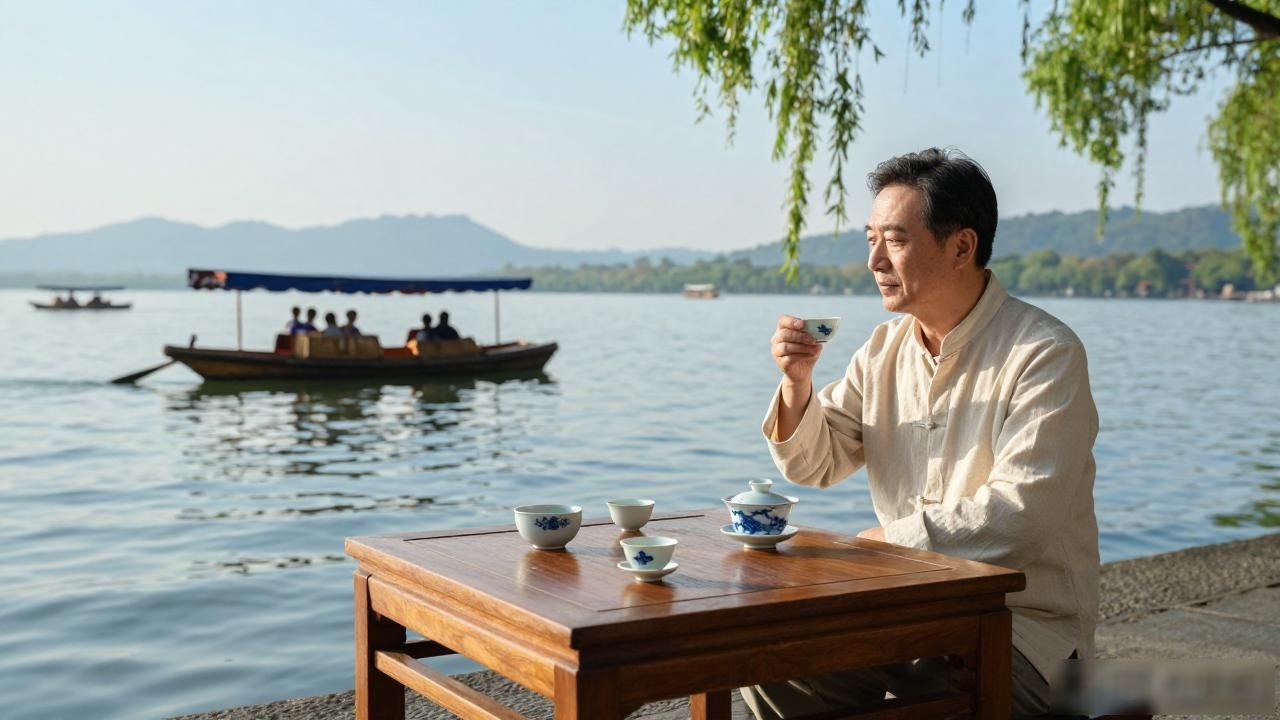
While you can buy tea everywhere, the atmosphere defines the true Hangzhou experience. The most iconic spot is near West Lake, where tea houses offer tables on open terraces overlooking the water. Sitting here, watching boats glide across the calm surface while holding a porcelain cup, creates a moment of pure tranquility. However, venturing away from the tourist trails reveals deeper cultural layers. Local community centers often host informal tea gatherings where residents share stories over pots of aged pu-erh or fresh green tea. These interactions provide a genuine glimpse into daily social life. Another hidden gem is the tea plantations along the Qingzhang River, accessible via a short hike from downtown. Here, the silence is broken only by birdsong and the sound of boiling water. The scenery enhances the tea, not the other way around. Whether you choose a luxury hotel or a rustic village home, the key is to disconnect from digital noise and focus on the ritual. Pouring tea for others is a sign of respect, inviting you to engage in a slow, deliberate exchange that builds connection without words. This practice transforms a simple drink into a meaningful social bond, bridging cultural gaps through shared silence and warmth.