
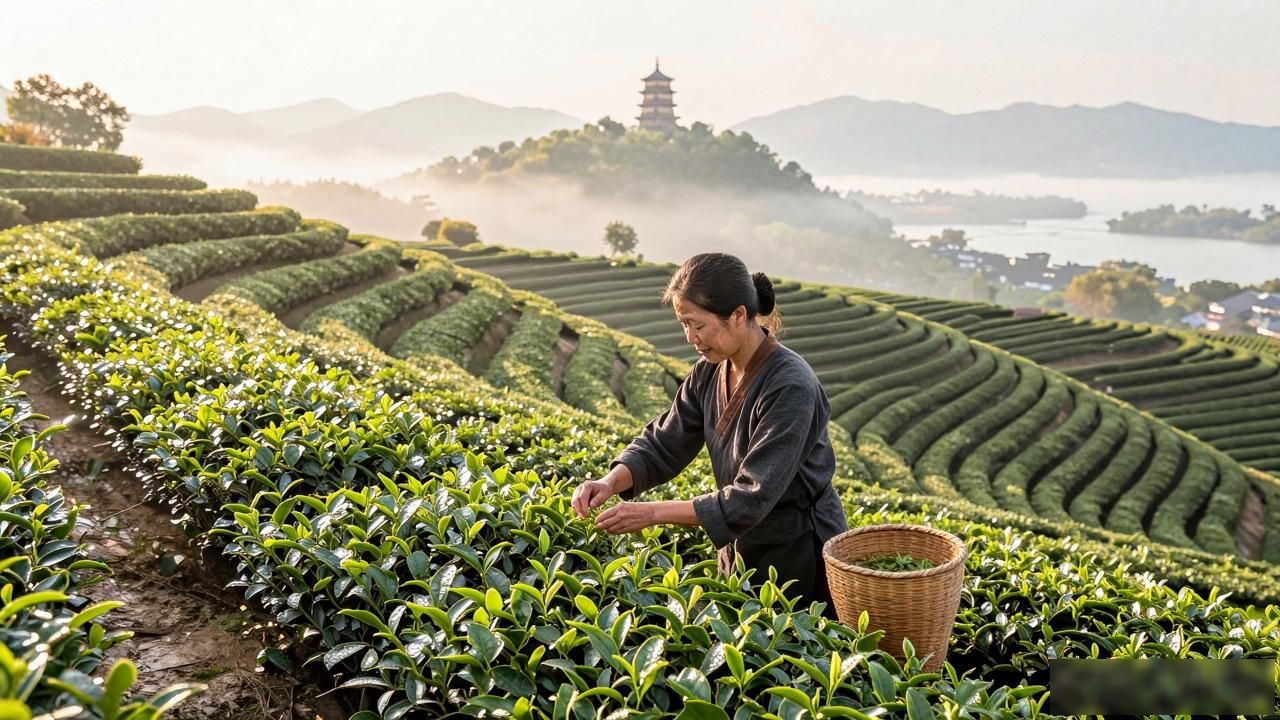
Hangzhou is not just a city of scenic beauty—it is one of the most important centers of Chinese tea culture. When people talk about tea in China, Hangzhou is often the first name that comes to mind. The city’s tea heritage is deeply rooted in history, geography, and daily life. From the famous Dragon Well tea to the serene tea plantations that dot the hills, Hangzhou offers a complete tea experience that blends tradition with nature.

What makes Hangzhou tea so special
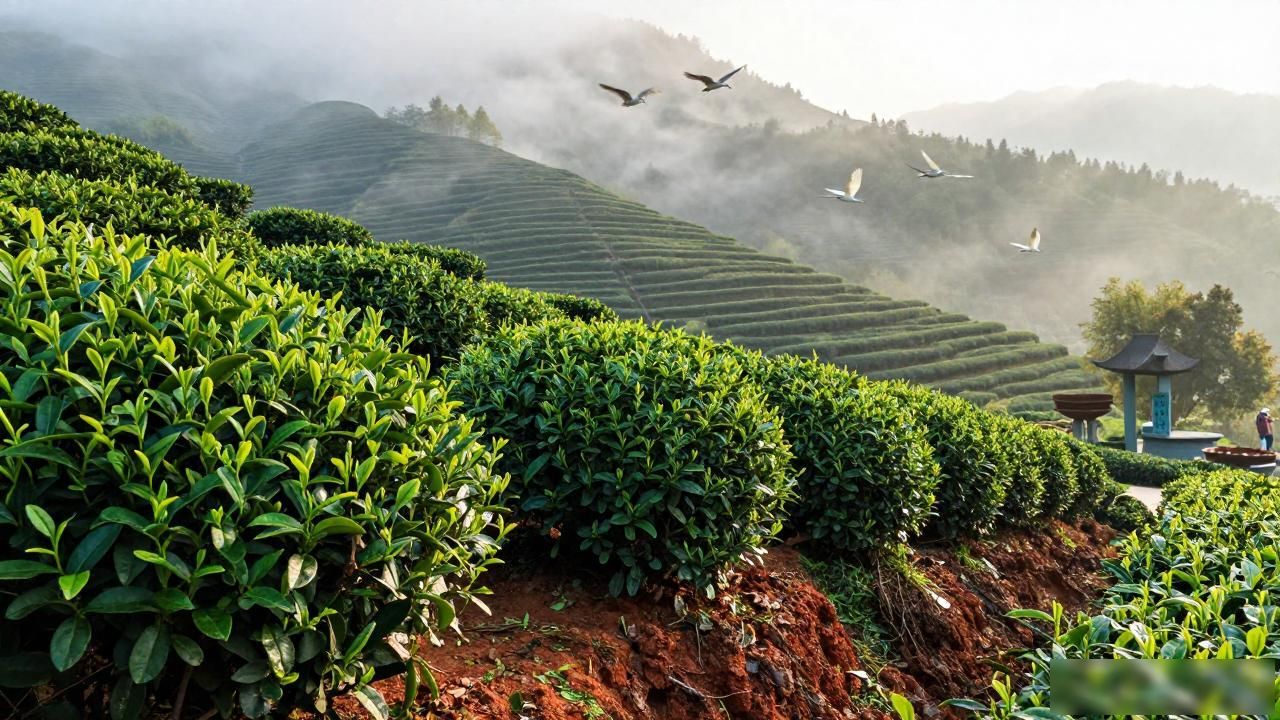
The secret of Hangzhou tea lies in its environment. The region’s misty mountains, rich soil, and mild climate create perfect conditions for growing high-quality green tea. The most famous variety is Longjing, or Dragon Well tea, which has been praised for over a thousand years. Its flat, jade-green leaves and chestnut-like aroma make it stand out from other Chinese teas. But it is not just the taste—it is the story behind every leaf. The tea is hand-picked, traditionally roasted in large woks, and carefully sorted. Local tea farmers take great pride in their craft,passing down techniques from generation to generation. Visiting a tea village like Meijiawu lets you see this process up close. You can walk through the terraced fields, watch the master roasters work, and sip a freshly brewed cup right where the tea was grown. This connection between the land, the people, and the drink is what makes Hangzhou tea unforgettable.
How to experience tea culture like a local
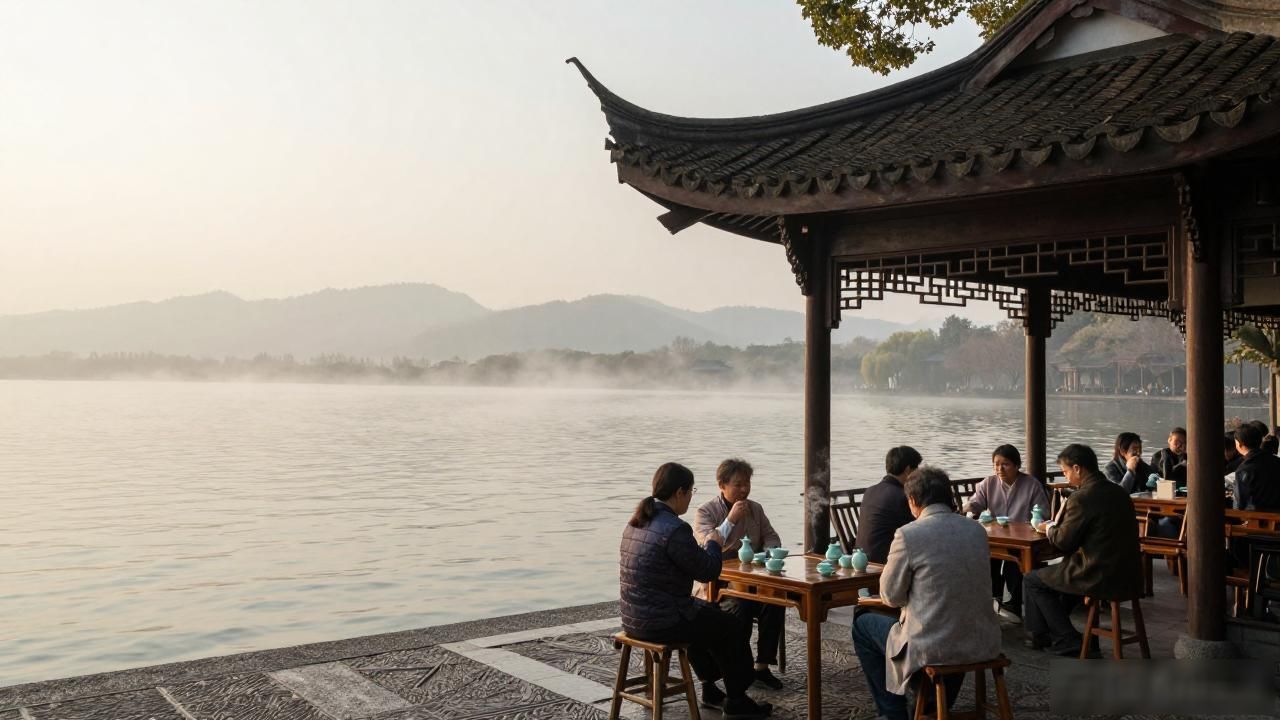
If you really want to understand Hangzhou tea culture, you need to go beyond just drinking the tea. Start your day early at a traditional tea house near West Lake. Many locals will tell you that the best time to enjoy tea is in the early morning, when the air is still fresh and the lake is calm. Order a cup of Longjing and some local snacks like sweet osmanthus cakes. Do not rush—tea drinking in Hangzhou is about slowing down. Another must-do is visiting the China National Tea Museum, which is located right in the middle of a tea plantation. The museum offers free tastings and explains the history of tea in China. For a more hands-on experience, join a tea-picking tour in spring. Many farms welcome visitors to pick leaves, learn roasting techniques, and even make their own small batch to take home. Locals believe that the best tea is shared with good company, so do not be surprised if a farmer invites you to sit down for a casual chat over a cup of their finest brew.