
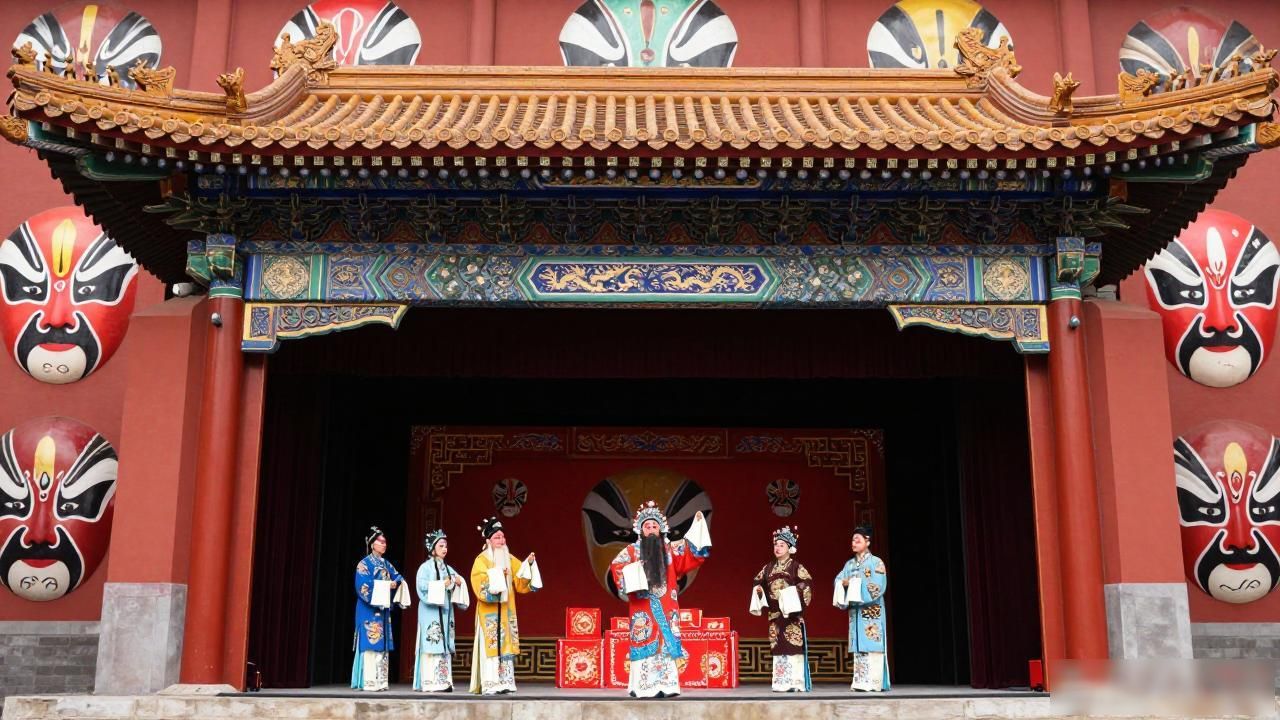
Beijing Opera, or Peking Opera, is one of China’s most treasured cultural gems. Its world of colorful costumes, dramatic makeup, and powerful storytelling has captivated audiences for centuries. The soul of this art form lies in the troupes that perform it. These groups are not just companies; they are living archives of tradition, skill, and innovation. Understanding famous Beijing Opera troupes gives you a direct window into the heart of Chinese performance culture.
Which troupes are the most influential today

When talking about the most famous Beijing Opera troupes, the National Peking Opera Company in Beijing stands at the top. Founded in 1955, it is the country’s premier institution for this art. Think of it as the equivalent of the Metropolitan Opera in New York. The National troupe is home to some of the most respected performers and often represents China in international cultural exchanges. Their productions are known for high production value and strict adherence to traditional forms. They regularly tour abroad, making them the most visible face of Beijing Opera globally.
Another major name is the Beijing Peking Opera Theatre. This troupe has a strong focus on both preservation and modernization. They have produced several groundbreaking works that mix classical techniques with contemporary themes. Their performances are often more accessible for newcomers, as they sometimes incorporate subtitles and shorter versions of classic plays. For a first-time visitor to Beijing, catching a show by this troupe is a practical choice because their theater in downtown Beijing is easy to reach and the experience is audience-friendly.
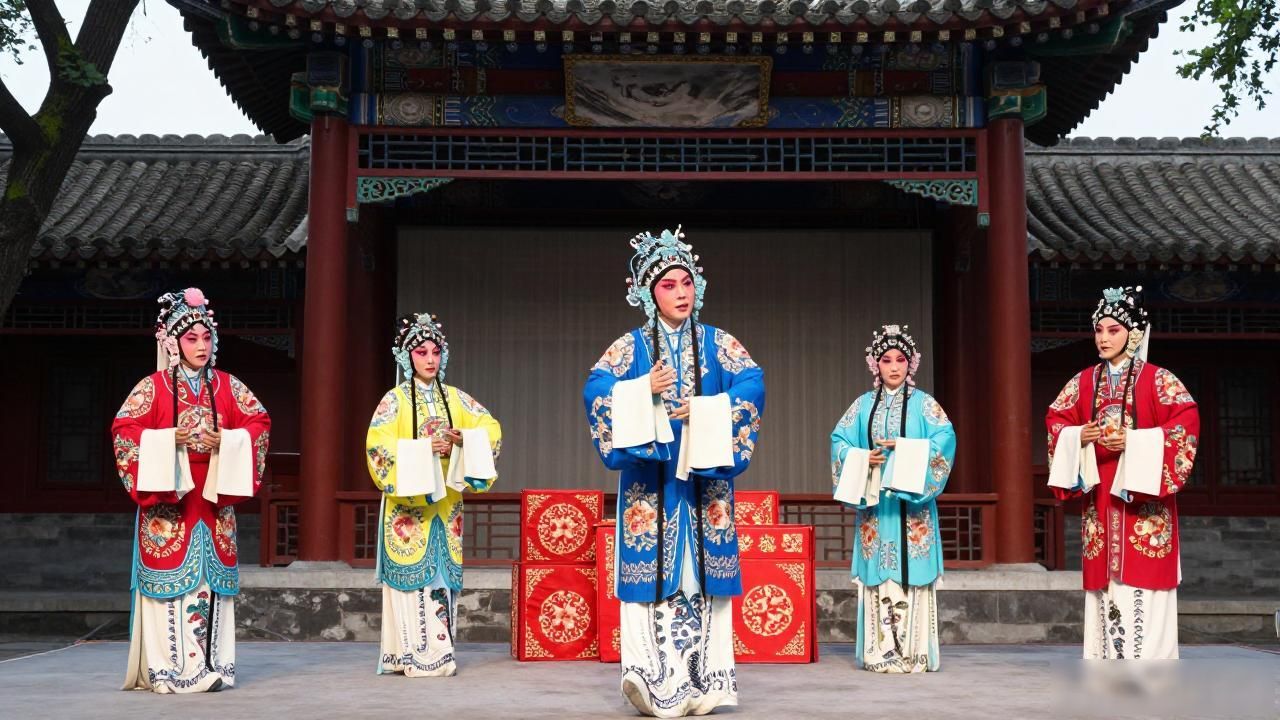
How do these troupes preserve the heritage
Beyond the two giants, the Shanghai Peking Opera Theatre deserves special mention. Based in Shanghai, this troupe has a distinct style that reflects the city’s cosmopolitan character. They are known for blending elements from other Chinese operatic forms and even Western theater. Their experimental productions often spark debates among purists but attract younger audiences. If you are interested in how an old art form can stay relevant, watching a Shanghai troupe performance is eye-opening.
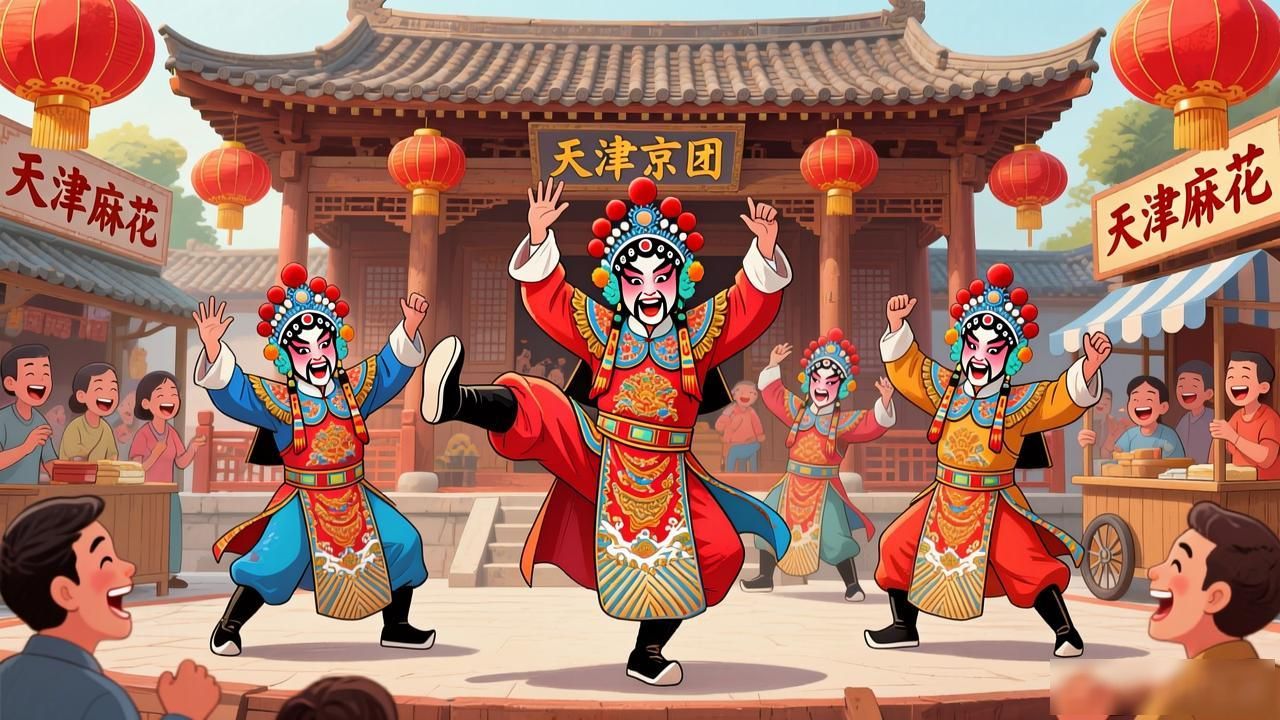
There are also specialized troupes like the Tianjin Peking Opera Theatre. Tianjin has a strong folk tradition, and its troupe is famous for raw energy and comic roles. The acting there feels more grounded and lively, less formal than the Beijing-based troupes. Many connoisseurs argue that Tianjin troupes preserve the “street-level” vitality of opera better than anyone else.
Beijing Opera troupes are not just performers; they are the guardians of a complex,thousand-year-old tradition. Whether you choose the polished elegance of the National company or the experimental edge of the Shanghai troupe, you are witnessing a living art that continues to evolve. The best way to understand China’s soul is to sit in a crowded theater, hear the gongs and drums, and watch these masters bring history to life.