
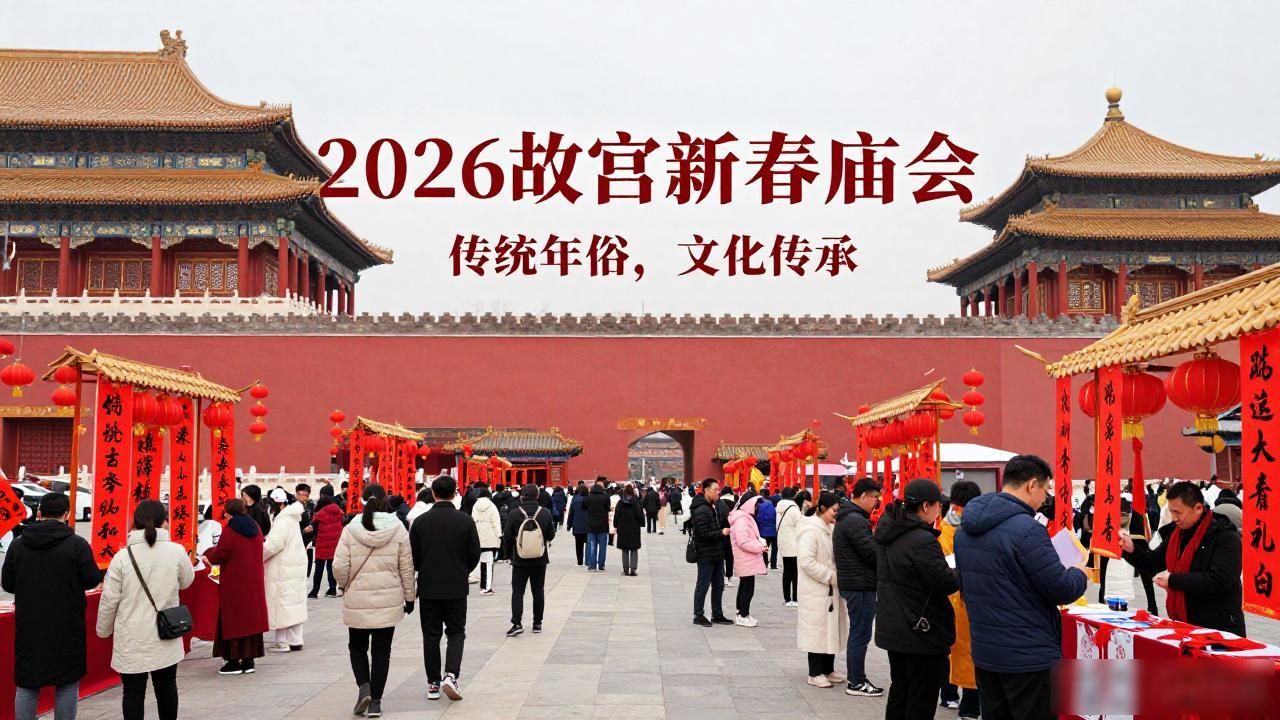
Forbidden City cultural events have evolved far beyond simple museum visits. Today, they offer immersive experiences that blend ancient traditions with modern storytelling. Whether you’re a history buff, an art lover, or a traveler seeking authentic cultural encounters, these events provide a rare glimpse into China’s imperial past, all while staying deeply relevant to contemporary audiences.
What makes Forbidden City cultural events so unique
The Palace Museum, which governs the Forbidden City, has spent years transforming its vast historical resources into accessible, engaging events. Unlike static exhibitions, many events here are participatory. You can watch artisans restore ancient ceramics, join a guided lantern walk through the palace at dusk, or attend live performances of traditional Peking opera inside actual courtyards where emperors once entertained.
What sets these events apart is the authenticity of the setting. When you attend a tea ceremony demonstration in the Hall of Supreme Harmony, the architecture itself becomes part of the experience. The event doesn’t just tell you about Ming dynasty rituals—it places you right inside the space where those rituals happened. This deepens emotional connection and makes history feel tangible.
Another aspect is the seasonal programming. Spring brings cherry blossom viewings combined with calligraphy workshops. Autumn features moon-gazing nights with ancient poetry readings. Winter offers fewer crowds and intimate tours focused on imperial heating systems and fur-trimmed robes. Each season changes the event’s atmosphere completely.

Which Forbidden City cultural events should you prioritize
If you only have one day, start with the “Emperor’s Daily Life” immersive tour. It runs every morning and uses augmented reality glasses to overlay historical scenes onto the actual rooms. You’ll see how the emperor woke, dressed, and held audiences. The technology is non-intrusive and well-executed, making it suitable even for visitors who aren’t tech-savvy.
For art enthusiasts, the “Imperial Treasures Night” is unmissable. Held monthly, it opens special galleries that are usually closed to the public. You can view jade carvings, gold artifacts, and silk robes under carefully calibrated lighting. The small group size ensures you get close to the exhibits without pushing. Booking ahead is essential because tickets sell out days in advance.
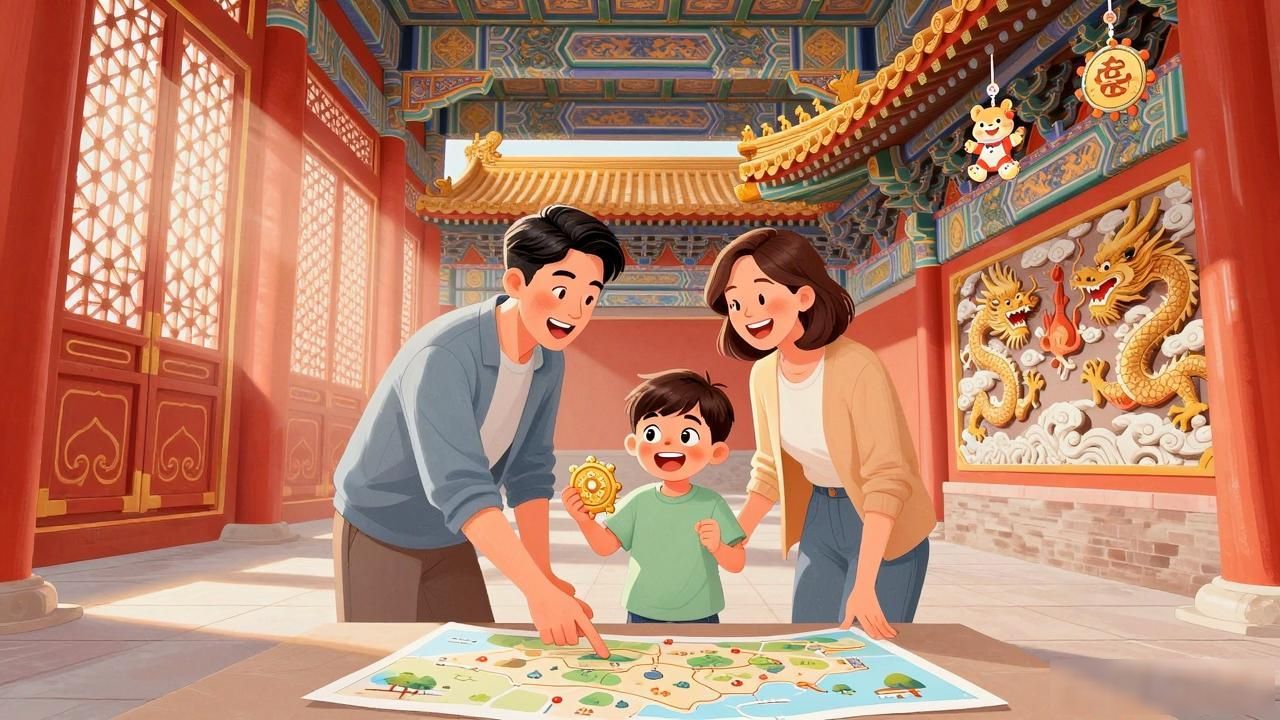
Families with children should check out the “Young Explorer’s Quest”. This event turns the palace into a giant puzzle game. Kids receive a map and clues that guide them through different halls while learning about dragon symbols, zodiac animals, and ancient architecture. It runs on weekends and lasts about two hours, which is long enough to be meaningful but short enough to keep attention spans intact.
Finally, evening cultural salons are growing in popularity. These are lectures followed by discussions led by historians, art curators, or even calligraphers. Held in small chambers like the Palace of Tranquil Longevity, they offer an intimate setting where you can ask questions directly. Topics range from “How eunuchs shaped court politics” to “The hidden meanings in garden design.” The salon format encourages deep conversation rather than passive listening.