
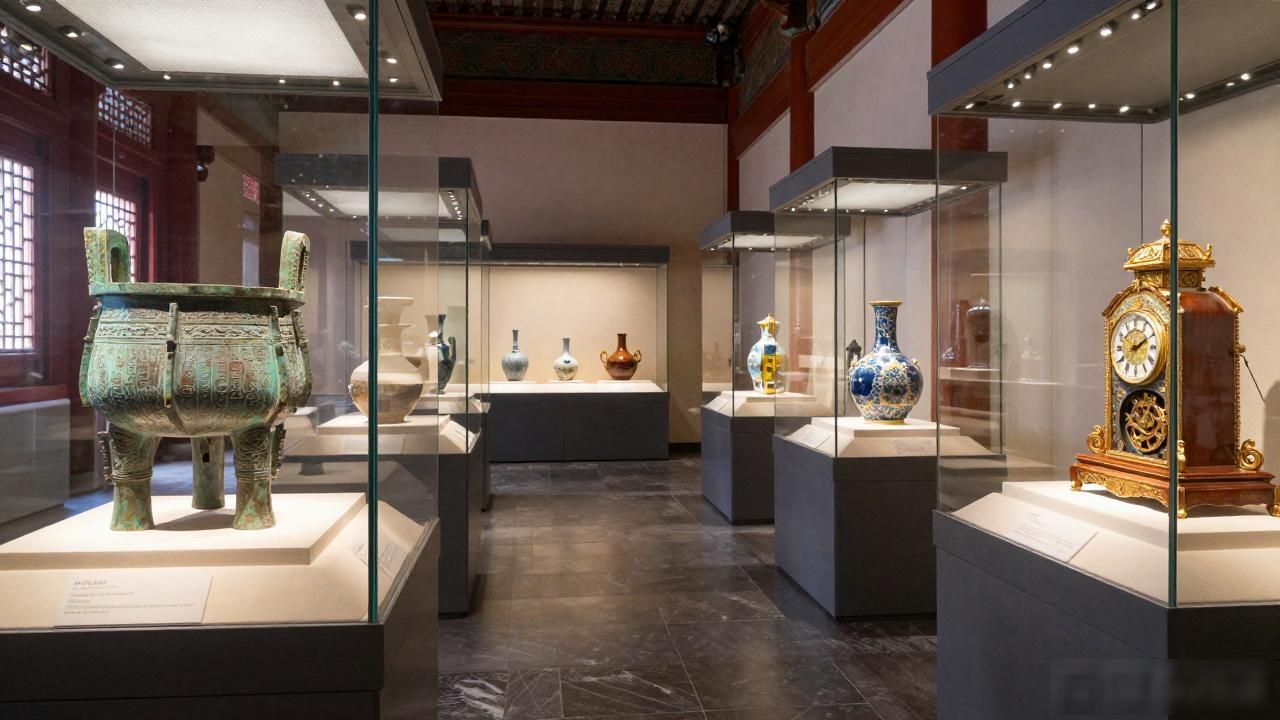
If you are curious about the Palace Museum collection, you are looking at a breathtaking universe of art, history, and craftsmanship. It is not just a bunch of old objects locked behind glass. This collection represents the soul of Chinese civilization, spanning over five thousand years of creativity, power, and cultural exchange. The Palace Museum in Beijing holds more than 1.8 million artifacts, many of which were once reserved only for the eyes of emperors and their courts. Understanding this collection means stepping into a world where every brushstroke, every jade carving, and every bronze vessel tells a story.
What makes the Palace Museum collection so unique

The sheer scale and quality of this collection are mind-boggling. You will not find another museum on earth that owns such a deep and continuous record of a single civilization. The Palace Museum collection includes everything from ancient bronzes and ceramics to intricate clocks given by European monarchs. Many pieces were made by imperial workshops over centuries, meaning they represent the absolute peak of technical skill and artistic taste. Unlike other museums that rely on donations or purchases, most of these objects were made specifically for the Forbidden City. That gives them a coherence and purpose you cannot replicate anywhere else.
But it is not just about the big names like Ming vases or Qing dynasty paintings. Some of the most fascinating items are the small, everyday objects used by the imperial family: snuff bottles,hairpins, and even wooden toys. These pieces humanize the palace and remind us that emperors were also people with personal habits and preferences. The collection is so vast that only a tiny fraction is on display at any given time. The rest is kept in climate-controlled storage, carefully studied by experts who are still making new discoveries. This constant process of research keeps the collection alive and relevant, not just a dusty relic of the past.
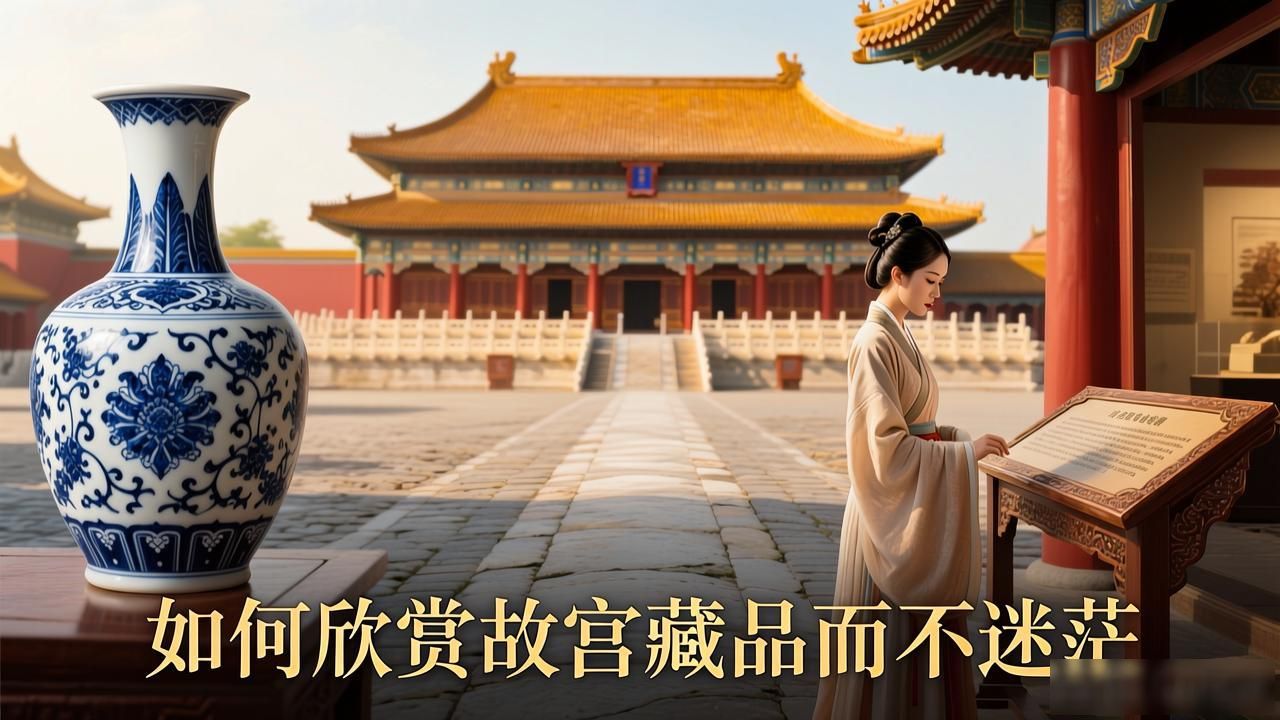
How to appreciate the collection without feeling lost
If you are planning to visit the Palace Museum, you should know that seeing everything in one trip is impossible. Do not even try. Instead, focus on a few highlights that speak to your personal interests. If you love ceramics, head straight to the Hall of Preserving Harmony where some of the finest imperial porcelains are housed. If calligraphy is more your thing, you will want to spend time in the Gallery of Treasures, which rotates displays of scrolls by masters like Wang Xizhi.
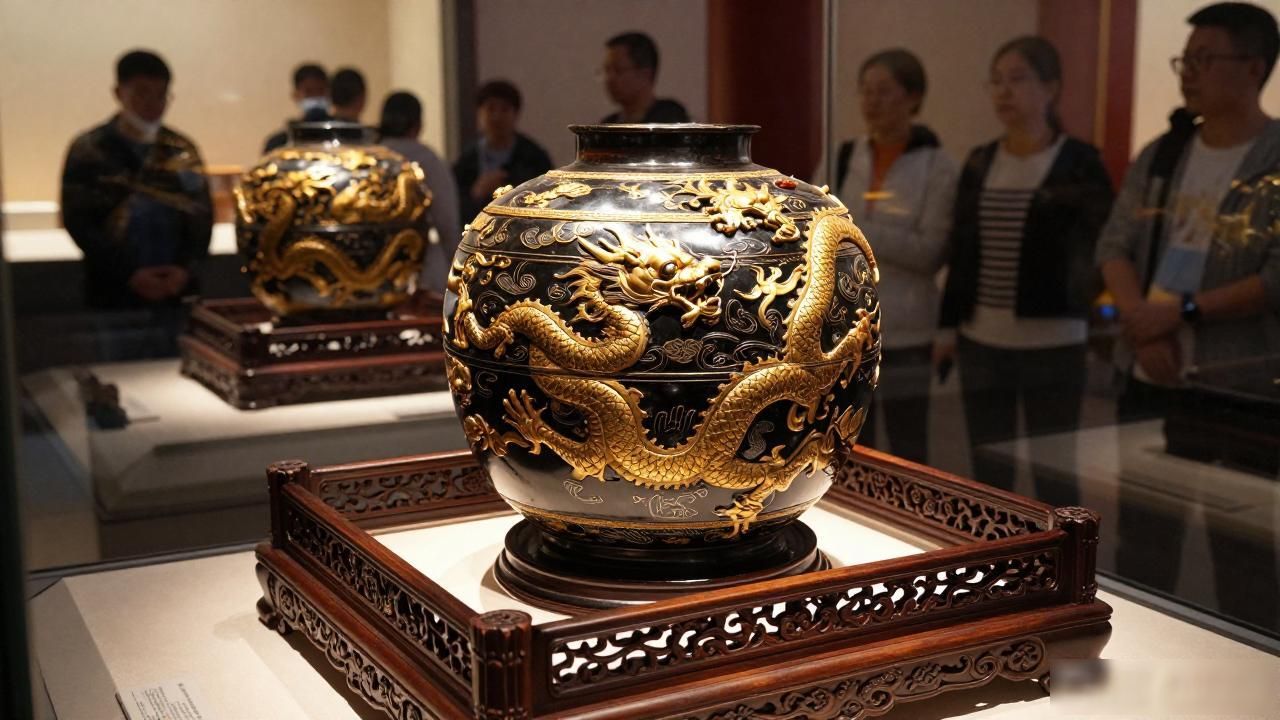
The real trick to appreciating the Palace Museum collection is to slow down. Many visitors rush through the halls and miss the subtle details—the hidden dragons in a piece of lacquerware, the tiny inscriptions on a bronze tripod, or the faded silk embroidery that took years to complete. I recommend renting an audio guide or joining a small group tour led by a knowledgeable docent. These guides can point out stories that are not written on the plaques, like why a certain jade seal was considered powerful enough to legitimize a dynasty. Another practical tip: visit on a weekday morning when the crowds are thinner. That way you can stand in front of a single painting for as long as you like without being pushed along.
The Palace Museum collection is not just something to check off a list. It is a living archive that challenges how we think about beauty, power, and history. Every object in that collection fought against time, war, and neglect to survive into our hands. When you stand before these artifacts, you are not just looking at ancient things. You are standing at the intersection of human ambition and human fragility. And that is a rare gift.