
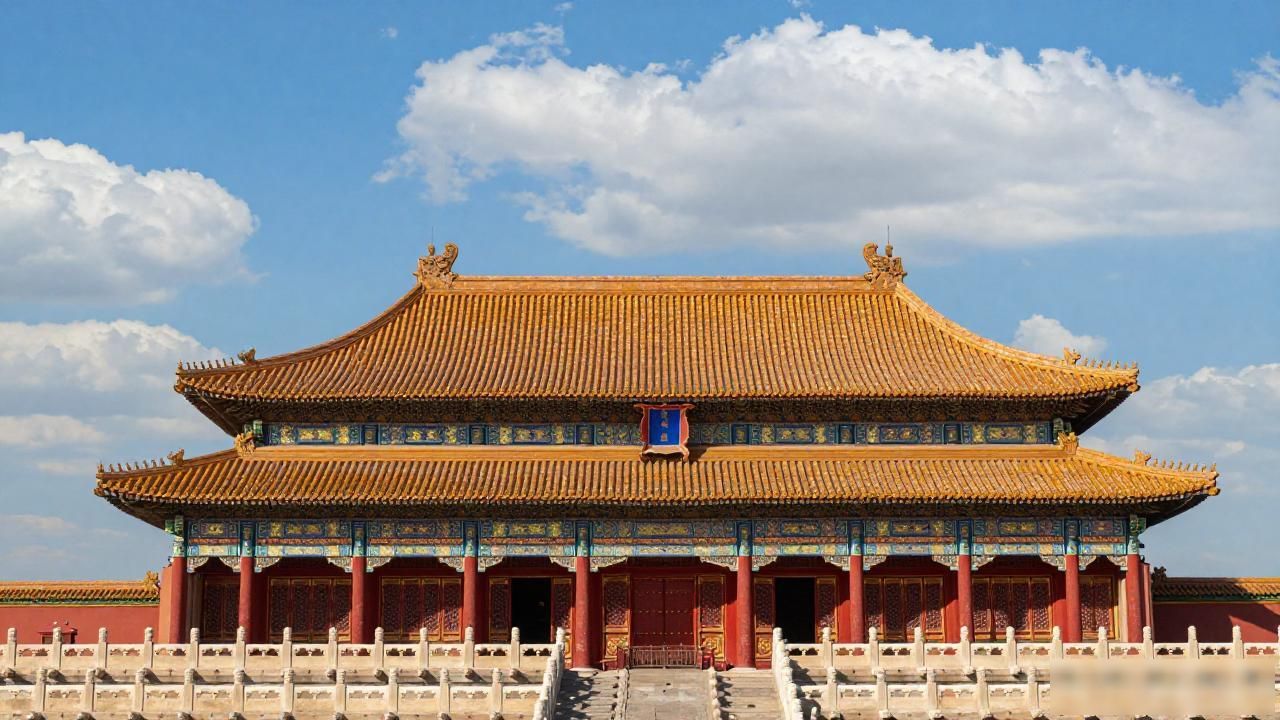
The Palace Museum, also known as the Forbidden City, stands as one of the world’s most remarkable architectural achievements. Built over 600 years ago in Beijing, it represents the pinnacle of traditional Chinese palatial design. The architecture here is not just about grand buildings; it reflects deep philosophical ideas, strict social hierarchies, and a profound connection with nature. Every hall, roof, and courtyard was carefully planned to serve both functional and symbolic purposes.
Why the Roof Color Is Always Yellow and Gold

The most striking feature of Palace Museum architecture is the extensive use of yellow and gold on the roofs. These colors were not chosen for beauty alone. In Chinese culture, yellow represented the emperor, the center of the universe. Only imperial buildings could use yellow glazed tiles. Walking through the museum, you will notice that almost every main hall,from the Hall of Supreme Harmony to the Palace of Heavenly Purity, shines with golden roofs. This color choice was a direct statement of power.
However, there is one notable exception. The library building, known as the Hall of Literary Brilliance, has a black roof. Why black? According to traditional Chinese beliefs, black represents water, and water can control fire. Since the library housed countless precious books and documents, the black roof was a symbolic protection against fire. This small detail shows how every architectural decision in the Palace Museum carried deep meaning.
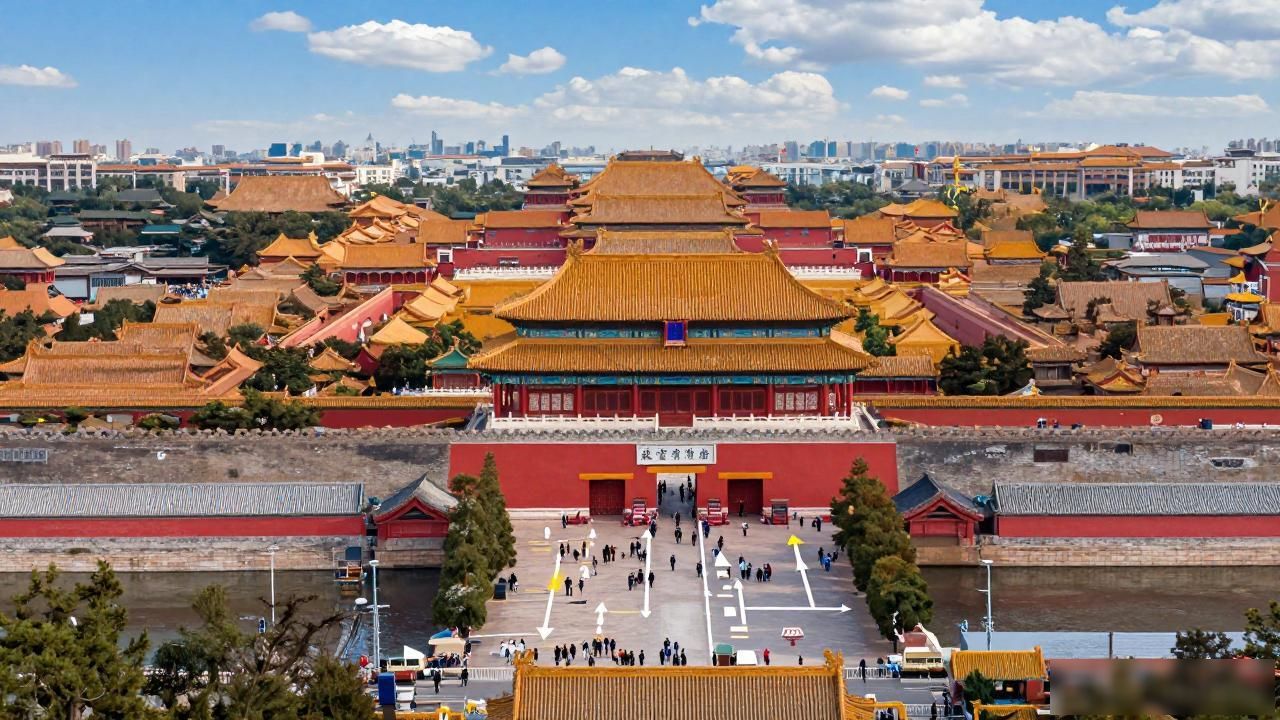
How the Layout Controls Your Movement
The layout of the Palace Museum is deliberately designed to guide visitors along a strict north-south axis. As you enter from the Meridian Gate, you are forced to walk straight through a series of massive courtyards and halls. There are no shortcuts or side paths that let you skip the main buildings. This linear arrangement was intentional. It made visiting officials and foreign envoys walk a long, humbling path before reaching the emperor.
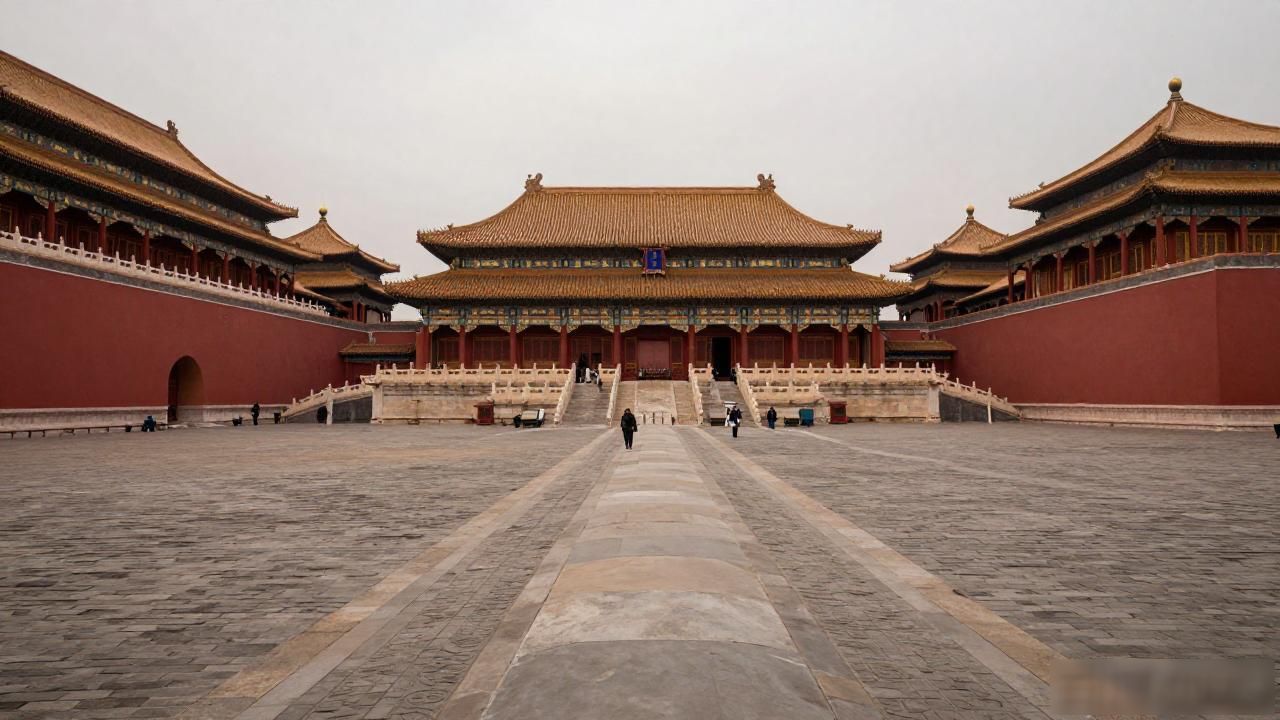
The courtyards themselves are enormous, especially the one in front of the Hall of Supreme Harmony. This open space could hold tens of thousands of people, but it also made individuals feel small and insignificant. The scale was meant to overwhelm you. The walls are high, the gates are heavy, and the staircases are steep. Every step forward builds anticipation and respect. Even today, as a tourist, you can feel the power of this design. The architecture literally controls your experience.
The Palace Museum architecture is a perfect blend of beauty, symbolism, and psychology. It was built not just to house an emperor, but to project an image of absolute authority. From the roof color to the axis layout, every element serves a purpose. Understanding these details transforms your visit from a simple walk through old buildings into a journey through the mind of ancient China.