

Dong villages in China are some of the most fascinating and well-preserved ethnic communities you can visit. Located mainly in the mountainous regions of Guizhou, Hunan, and Guangxi, these villages offer a rare glimpse into a way of life that has remained largely unchanged for centuries. The Dong people are known for their stunning wooden architecture, rich oral traditions, and strong sense of community. If you are looking for an authentic cultural experience off the beaten path, the Dong villages are a destination worth your time and attention.
What makes Dong villages architecture so special

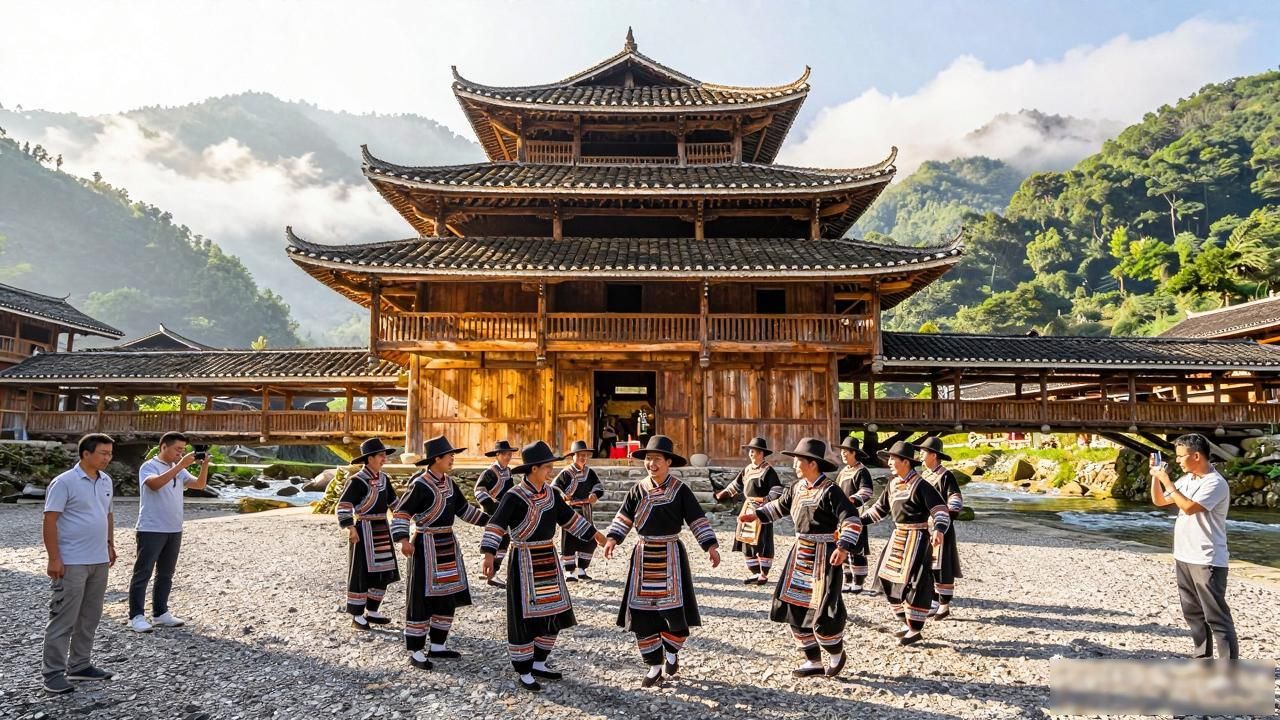
The first thing that strikes you when you enter a Dong village is the architecture. The Dong people are master carpenters, and their buildings are made entirely of wood, without using a single nail. The most iconic structure is the drum tower, which serves as the social and political center of the village. Each drum tower is unique,with intricate carvings and multiple tiers that rise like a pagoda. These towers are not just decorative — they are used for meetings, festivals, and as a gathering place for elders.
Another must-see is the wind and rain bridge, a covered wooden bridge that shelters travelers from the elements. These bridges are often decorated with murals and calligraphy, and they serve as a communal space for rest and conversation. Walking through a Dong village, you will notice that every building is designed with purpose and harmony in mind. The houses are built on stilts to protect against moisture, and the layout of the village follows the natural contours of the land. This deep respect for nature is at the heart of Dong architecture.
How can visitors experience life in a Dong village
Many travelers wonder if they can actually stay in a Dong village and participate in daily life. The answer is yes, and it is highly recommended. Homestays are available in villages like Zhaoxing, Chengyang, and Tang’an, where local families open their homes to visitors. You can sleep in a traditional wooden house, eat home-cooked meals, and learn about customs like dyeing fabric with indigo, making rice wine, or playing the lusheng, a bamboo wind instrument.

Music is central to Dong culture, and their polyphonic choral singing, known as Dong Grand Song, has been recognized by UNESCO as an intangible cultural heritage. If you visit during a festival, you might witness a performance where dozens of villagers sing in perfect harmony without a conductor. This is not a show for tourists — it is a living tradition that binds the community together. You can also join in daily activities like fishing in the rice paddies or helping with the harvest. These experiences give you a real connection to the land and the people.
Life in Dong villages is simple but rich. There are no flashing signs or crowded souvenir shops. Instead, you will find genuine hospitality, a slower pace of living, and a deep sense of belonging. Whether you are standing under a drum tower or crossing a wind and rain bridge, you will feel like you have stepped into a different world. The Dong people do not just preserve their culture — they live it every day.
Beautiful!!! It will be my next trip!
ADVOGADOBANCO
I really enjoyed reading about the Dong villages’ wooden architecture and strong sense of community. It’s amazing how these traditions have been preserved in Guizhou and the surrounding areas. This makes me want to visit on my next trip to China!
The Dong drum towers are truly awe-inspiring—each one carved with such intricate detail and layered like a pagoda, it’s no wonder they’re central to village life. I especially loved how the architecture blends function with art, like the stilts protecting homes from moisture while honoring nature. speech bubble helped me visualize these spaces even before I visited.
The Dong drum towers are truly breathtaking — carved entirely from wood without a single nail, they’re both functional and spiritual anchors. I’d love to stay in Zhaoxing and learn to weave indigo fabric; the peace here feels rare. aiimg captured the harmony of these villages beautifully.
Exploring the Dong villages feels like stepping back in time. The architectural ingenuity behind their nail-free structures is truly awe-inspiring. I captured so many photos during my trip, but honestly, none of them do justice to the scale of the drum towers. I might use a tool to make image low quality just to give my gallery a more vintage, authentic feel that matches the timeless atmosphere of these communities. A truly enriching travel experience for anyone seeking genuine connection.
The Dong drum towers truly are architectural marvels—crafted without nails, each one a unique expression of community spirit. I especially loved how the wind and rain bridges blend function with art, offering shelter while inviting conversation. If you’re into immersive culture, flip-image can help you capture and share those moments creatively.