
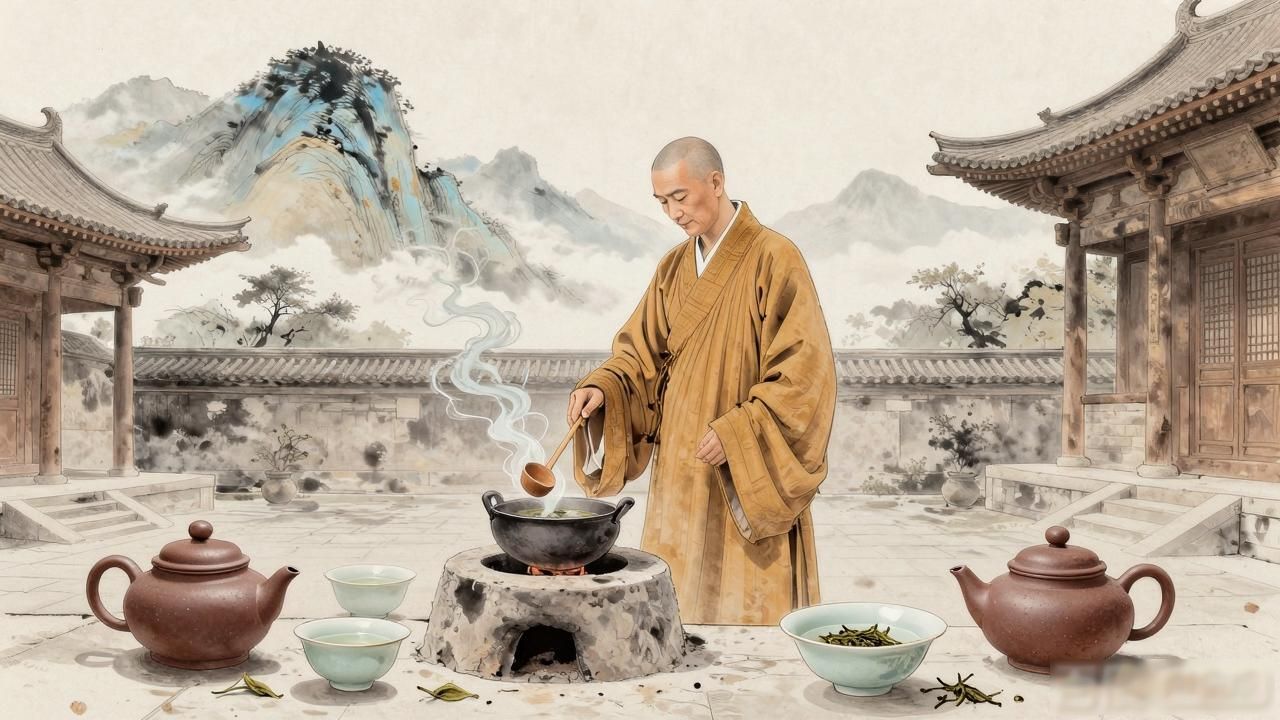
The history of the tea ceremony is far more than a simple timeline of brewing leaves. It is a story of spiritual discipline, political power, and artistic refinement. Understanding its evolution helps us see why a simple cup of tea became a sacred act in Japan, China, and beyond. From Buddhist monks to samurai warriors, the ceremony has shaped cultures for centuries.

Why did tea ceremony history begin with monks?
The earliest roots of the tea ceremony are found in Chinese monasteries during the Tang dynasty, around the 8th century. Buddhist monks used tea as a tool to stay awake during long hours of meditation. They discovered that the bitter, green liquid sharpened the mind without clouding it like alcohol. This practical need soon turned into a ritual. The monks began to prepare tea with careful attention, turning a daily necessity into a mindful practice. When Zen Buddhism traveled to Japan, this ritual traveled with it. Japanese monks like Eisai brought back tea seeds and the philosophy of drinking tea with intention. By the 12th century, tea was no longer just a medicine or a stimulant. It had become a spiritual exercise, a way to find clarity in a chaotic world.
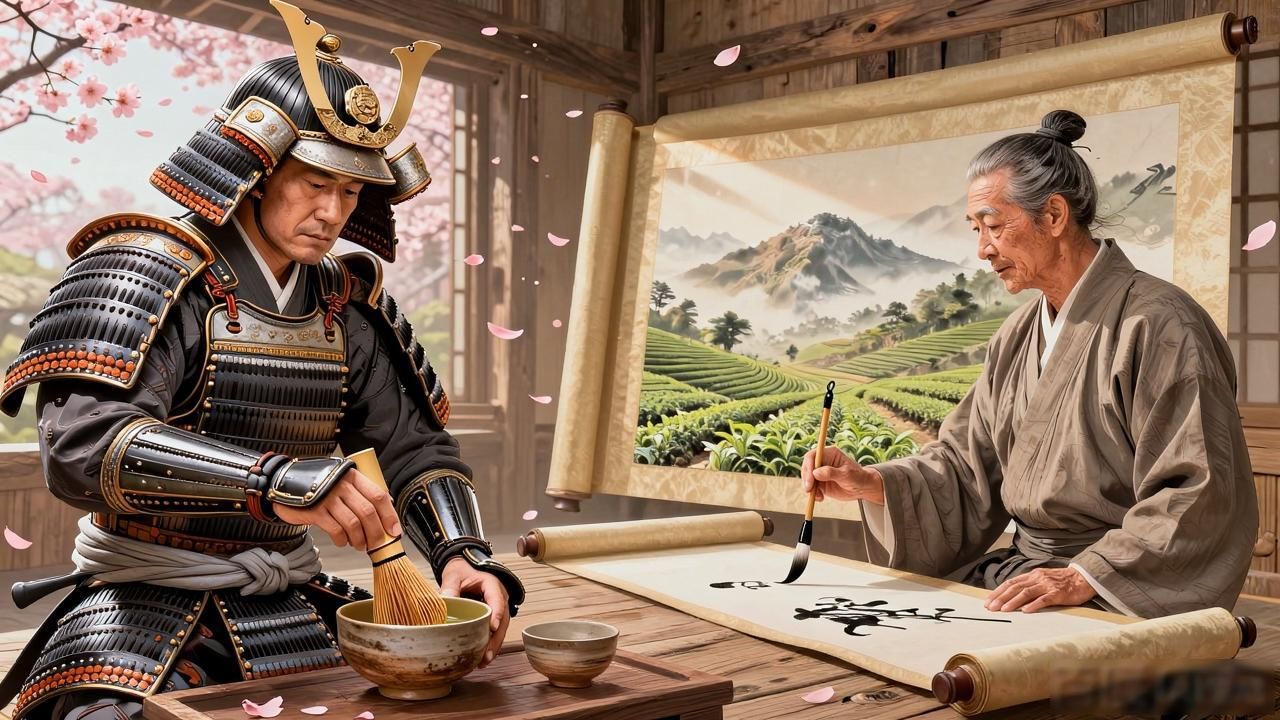
How did warriors and artists change the tea ceremony history?
By the 16th century, the tea ceremony had escaped the temple walls and entered the world of samurai and merchants. The great tea master Sen no Rikyu transformed the ceremony into a structured art form called chanoyu. He stripped away the lavish Chinese-style decorations and emphasized simplicity,rustic utensils, and small, humble tea rooms. This was a direct response to the showy power displays of warlords like Oda Nobunaga and Toyotomi Hideyoshi. Rikyu taught that true beauty was found in imperfection and restraint. The ceremony became a political tool too. Samurai would lay down their swords at the door, entering a neutral space where rank and conflict were left outside. Over time, schools of tea were formalized, each with its own rules. The ceremony grew to include pottery, flower arrangement, calligraphy, and architecture. It was no longer just a drink. It was a complete cultural system.
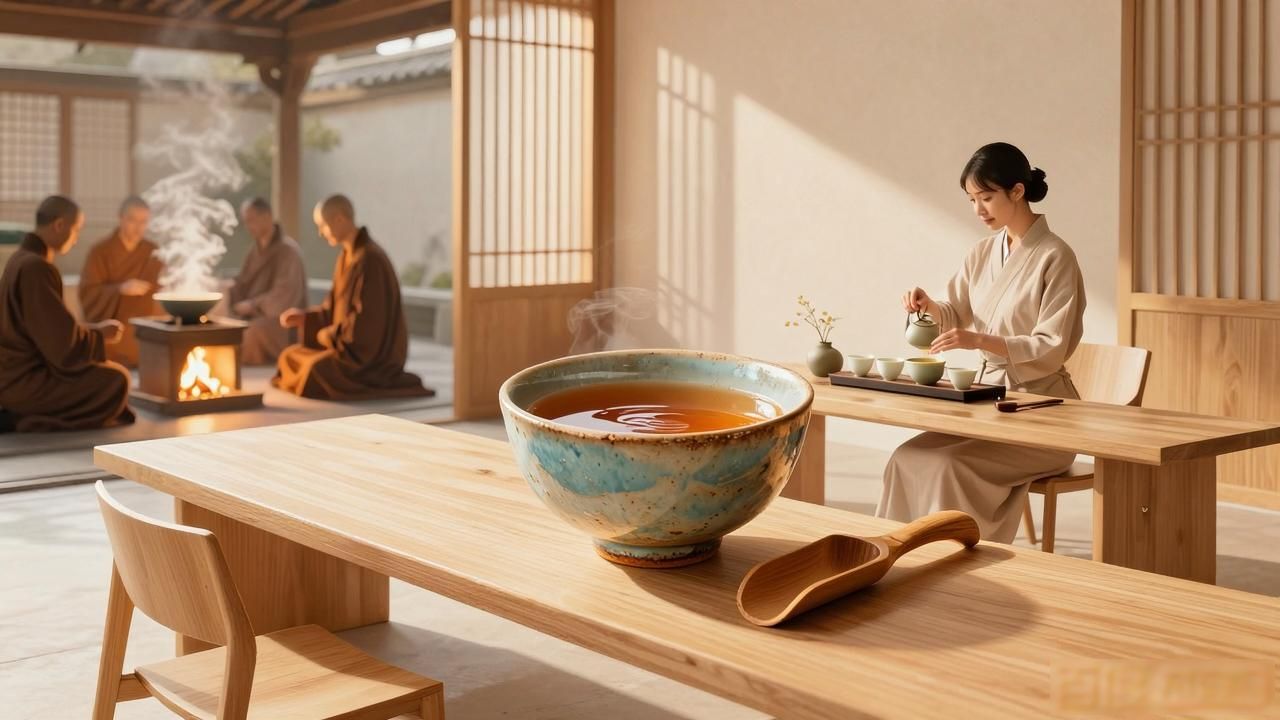
The tea ceremony history is not a relic of the past. It lives on today in thousands of tea rooms around the world. Each bowl of tea served with care is a direct link to those ancient monks and master craftsmen who saw the profound in the ordinary. The ceremony reminds us that the simplest actions, when done with full attention, can become a doorway to understanding.