
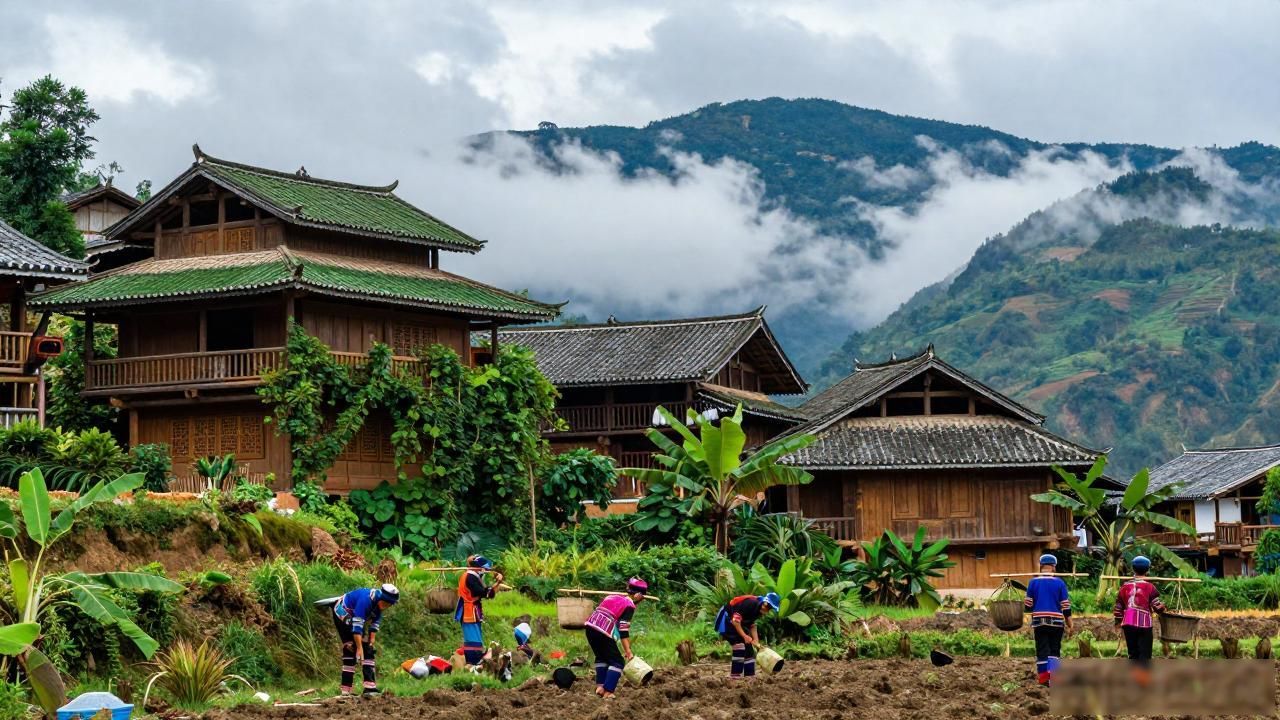
Yunnan ethnic minority villages offer a unique window into China’s rich cultural diversity. These villages are home to dozens of ethnic groups, each with distinct traditions, languages, and ways of life. Scattered across Yunnan’s mountainous landscapes, they preserve ancient customs that remain vibrant today. For travelers seeking authentic experiences, visiting these villages provides a rare chance to see living traditions untouched by modern uniformity. The key is understanding what makes each village special and how to engage respectfully with local communities.

What makes Yunnan ethnic minority villages different from others
Yunnan stands out because of its extraordinary ethnic diversity, with 25 officially recognized minority groups living in compact communities. Unlike tourist-heavy areas elsewhere, many villages here remain genuinely rural and inhabited by locals going about daily life. In places like Xishuangbanna, you’ll find Dai villages with stilted bamboo houses and Buddhist temples, while in the mountains of Lijiang, Naxi people maintain ancient Dongba script traditions. These differences are not just visual—they affect language, food, and social structures. Travelers often notice that each village has its own festival calendar,from the Torch Festival of the Yi people to the Water-Splashing Festival of the Dai. This variety means you can visit multiple villages within a short distance and experience entirely different cultural atmospheres, making Yunnan a living museum of human heritage.
How to plan a visit to these villages without being a burden
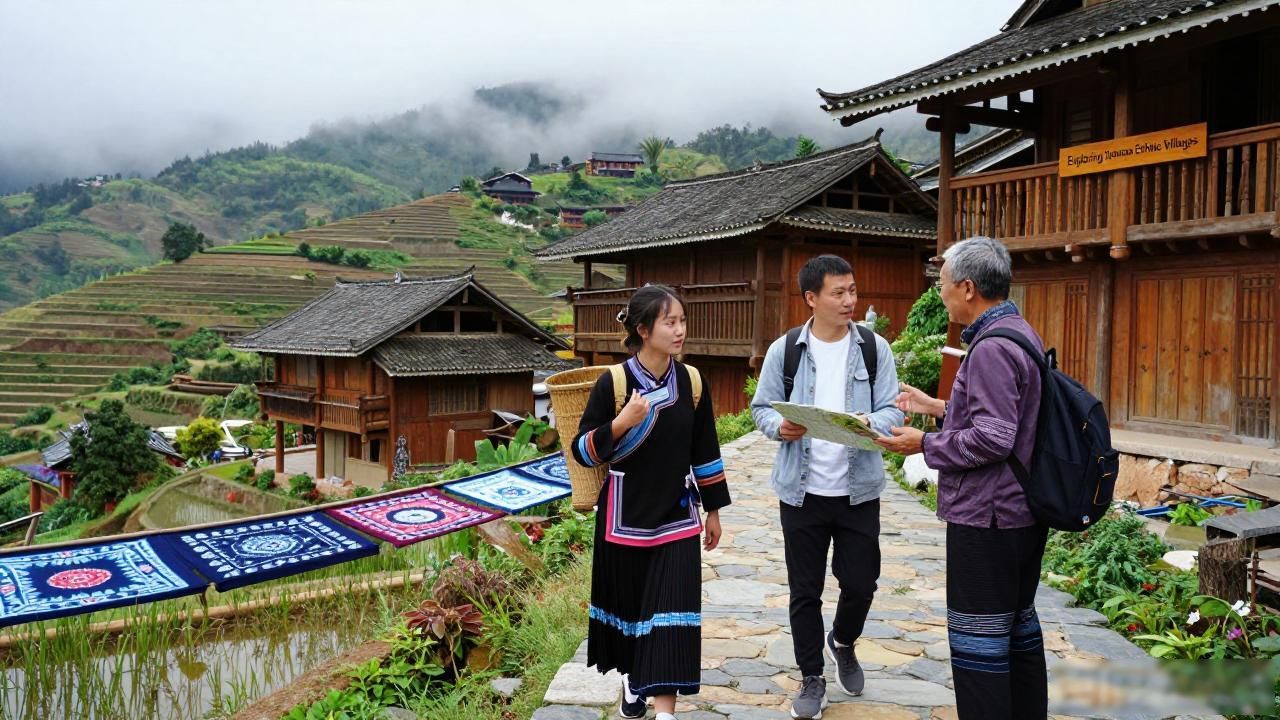
Planning your trip to Yunnan ethnic minority villages requires sensitivity and preparation. First, choose villages that are open to visitors, such as those near Dali or Shangri-La, which have basic tourism infrastructure. Avoid entering private homes without permission, especially during ceremonies or mourning periods. Dress modestly and learn a few local phrases like “thank you” in the local language to show respect. Hiring a local guide is highly recommended, as they can explain customs and help you navigate cultural differences. For example, in some Yi villages, touching a child’s head is considered offensive. Also, bring small gifts like tea or snacks for hosts if you stay overnight, but never offer money directly as it can be seen as disrespectful. By being mindful, you leave a positive impression and support the local economy without intruding on daily life.
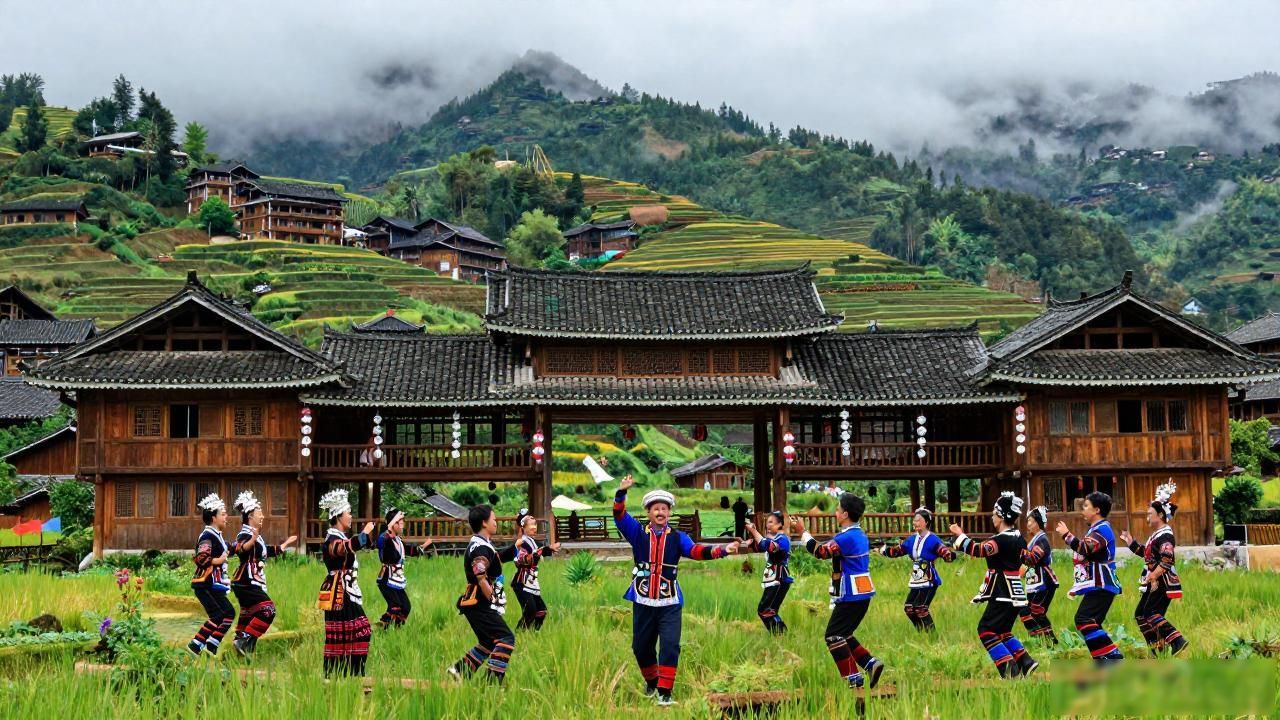
These villages are not just attractions but homes to living communities. By approaching them with curiosity and respect, you gain deeper insights into human diversity. The experience stays with you long after you leave, changing how you see culture and connection.