
When we talk about Spring Festival food, we’re not just talking about what’s on the table. These dishes carry deep meaning, often tied to wishes for prosperity, health, and family unity. I’ve spent years studying how food shapes cultural celebrations, and the Chinese New Year feast is one of the most symbolic meals in the world. Every ingredient, shape, and color is chosen with intention.
Why does Spring Festival food matter for good luck

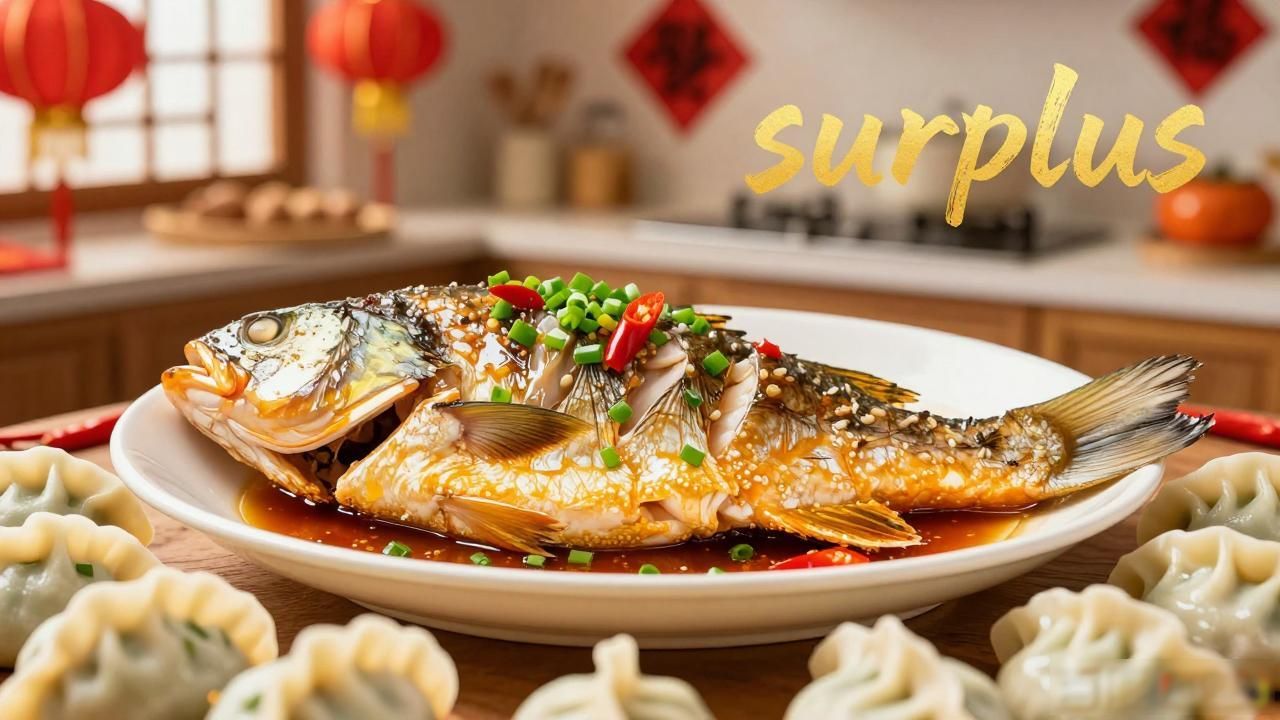
The heart of Spring Festival food lies in its symbolism. Take fish, for example. The Chinese word for fish sounds like “surplus,” so serving a whole fish means you’re praying for abundance in the coming year. You never flip the fish over while eating—that would flip your luck. Dumplings are another must. Their shape resembles ancient Chinese silver ingots, so eating them is like swallowing wealth. I’ve seen families spend an entire afternoon wrapping dumplings together, filling them with pork, cabbage,or even coins for extra luck.
Then there’s spring rolls. These crispy golden cylinders look like bars of gold, and they’re fried to perfection during the holiday. Niangao, or sticky rice cake, is sweet and chewy—its name sounds like “year high,” symbolizing a rise in status or income. I remember visiting a home where the grandmother insisted on steaming niangao in layers, each one representing a new height reached in life. These foods aren’t just eaten; they’re experienced as rituals.
How to prepare Spring Festival food at home
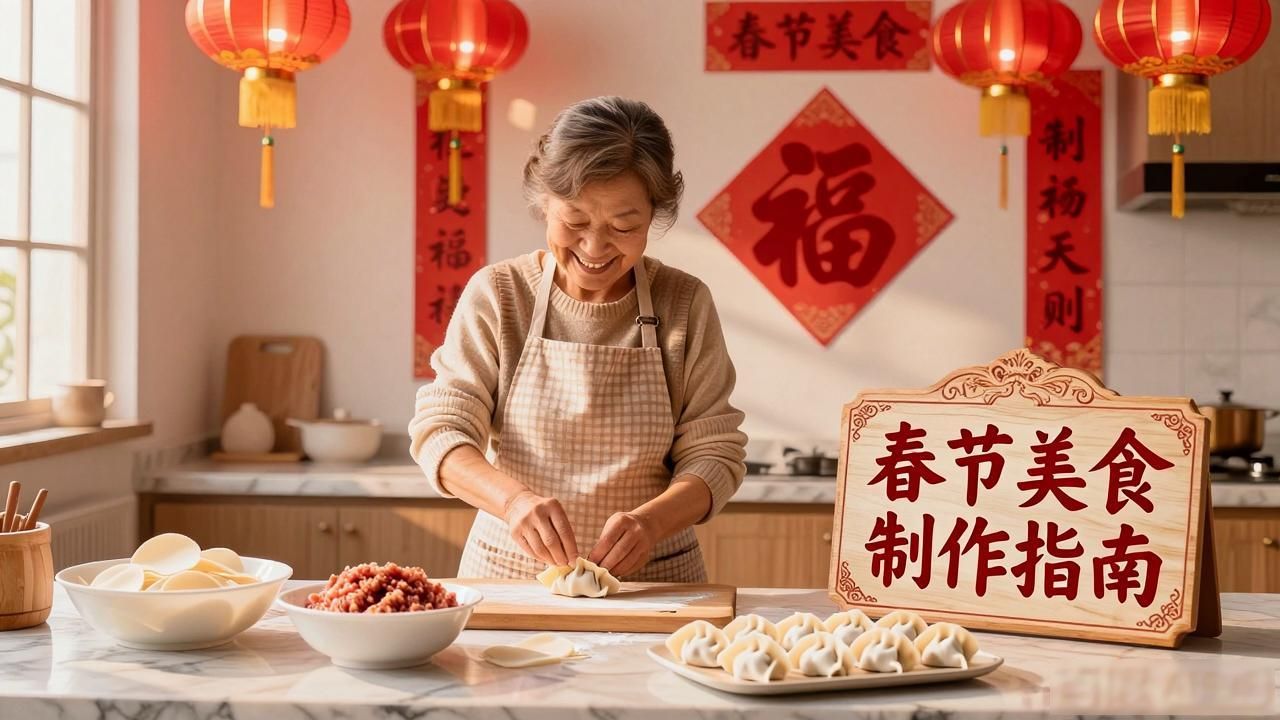
If you’re new to making Spring Festival food, start simple. Dumplings are beginner-friendly if you buy pre-made wrappers. Mix ground pork with ginger, soy sauce, and chopped scallions. Fold them into half-moons and pinch the edges tight. Boil them until they float, then serve with vinegar. For fish, steam a whole sea bass with ginger slices and scallions. Pour hot oil over the top to sizzle the skin. It’s impressive but takes only 15 minutes.
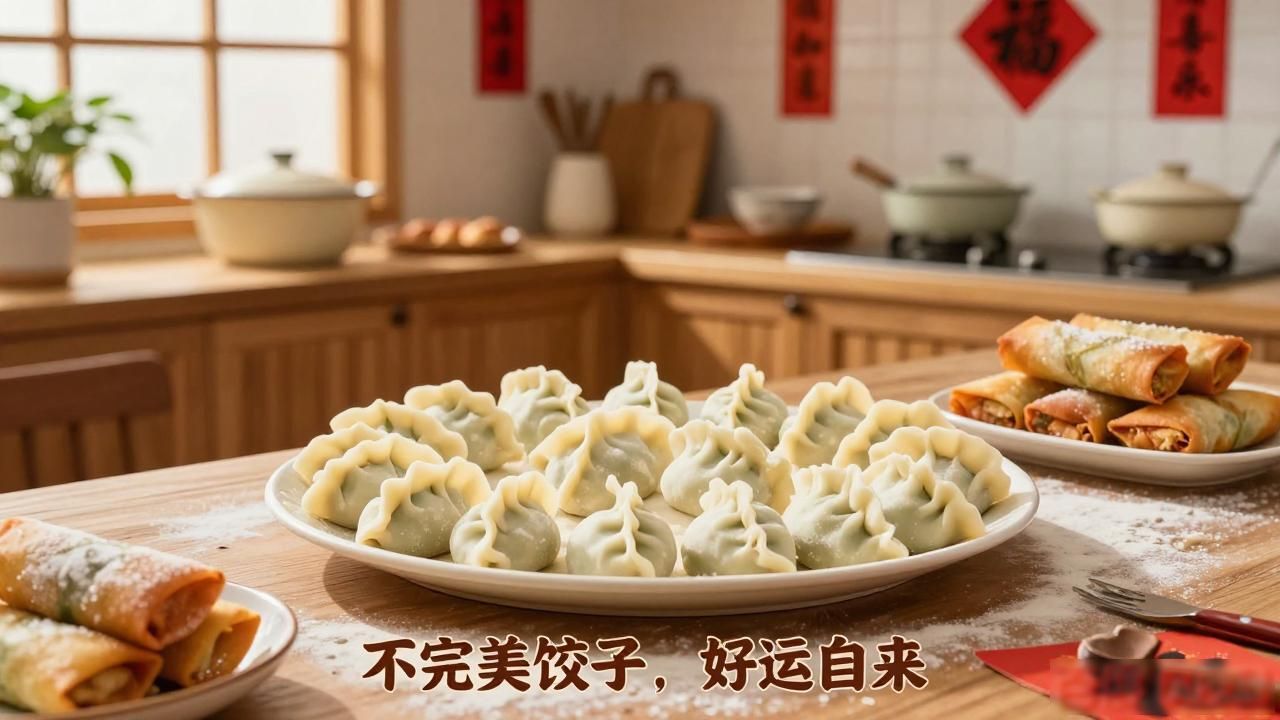
Don’t stress about perfection. In many families, the dumplings are deliberately uneven—someone always makes a wonky one, and that’s considered good luck because it keeps the family humble. If you’re cooking for guests, include a plate of spring rolls from the freezer aisle. Nobody will judge you for shortcuts. What matters is the intention behind the meal. Serve the dishes family-style, leave some leftovers to symbolize surplus, and make sure everyone gets a bite of the fish head and tail for a full year of luck.
The beauty of Spring Festival food is that it connects you to centuries of tradition while being totally adaptable. You can substitute ingredients based on what’s available where you live. Use chicken if fish is hard to find. Make dumplings with vegan fillings. The core idea stays the same: sharing a meal that speaks hope. When you sit down to eat, remember that every bite is a wish spoken through food. That’s the real recipe.