

Rural China offers a side of the country that most travelers never see. Beyond the skyscrapers and tourist crowds, the countryside is laced with ancient footpaths, mountain ridges, and valley routes that have been used for centuries. Hiking here is not just a physical activity—it’s a way to connect with local life, untouched nature, and a slower rhythm of living. For those seeking genuine adventure, rural China hiking trails deliver experiences that guidebooks can’t fully capture.
What makes rural China hiking trails unique

The beauty of these trails lies in their raw authenticity. Unlike well-marked national parks in the West, many rural paths in China are still unpaved, winding through terraced rice fields, bamboo groves, and sleepy villages where farmers greet you with curious smiles. You’ll walk on stone steps built during the Ming dynasty, cross wooden bridges over rushing streams, and pass by ancient tea plantations that have been cultivated for generations.
What stands out most is the cultural immersion. On a typical hike in Yunnan’s Tiger Leaping Gorge or Guangxi’s Longji Rice Terraces, you’ll share the trail with locals carrying baskets on their backs, not with tourists wearing expensive gear. The rural communities along these routes often have no hotels—only family-run guesthouses where you eat home-cooked meals and sleep under thick quilts. This is hiking with meaning, where every step tells a story of how people live in harmony with the land.
How to prepare for hiking in rural China
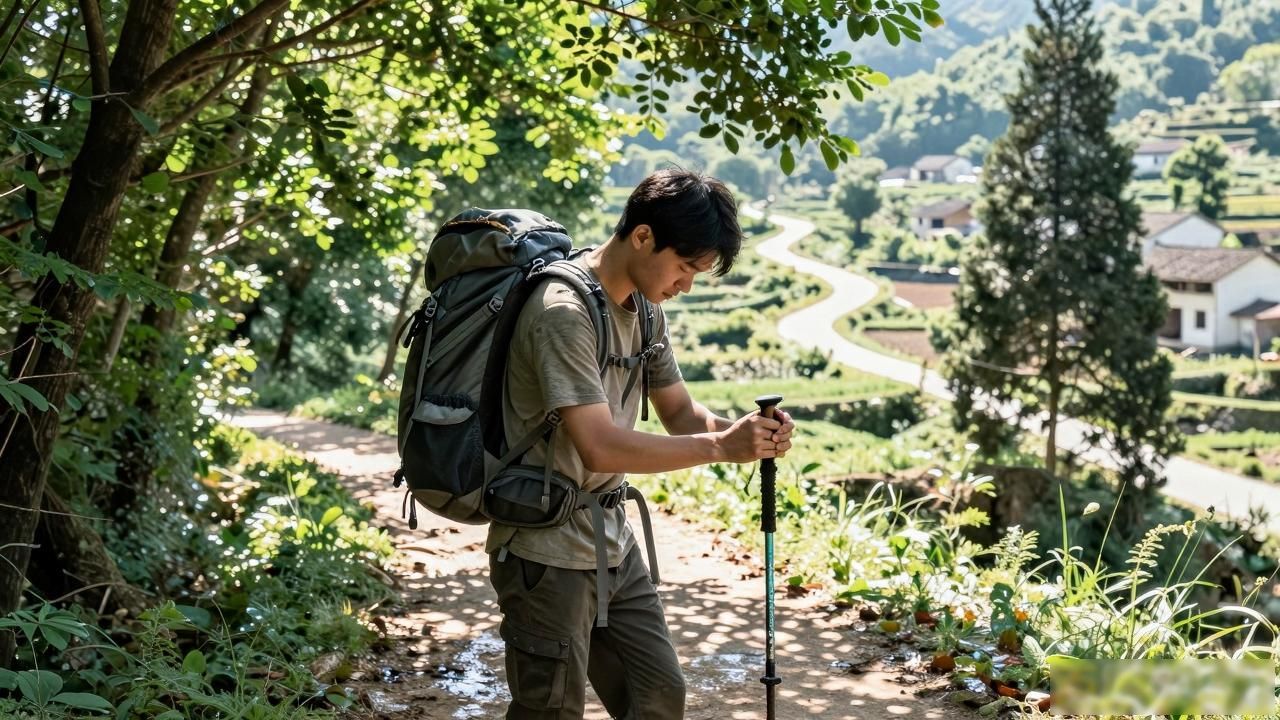
Preparation is key, because rural trails can be unpredictable. First, download offline maps before you go—cell service is spotty in valleys and mountains. Apps like Maps.me or AllTrails work well, but check if routes have recent reviews from other hikers. Pack light but smart: sturdy hiking boots, a water filter or purification tablets, and enough snacks for a full day, since villages may be hours apart.

Language can be a barrier, so learn a few basic phrases like “how far” and “where is the trail” in Mandarin. Most rural locals don’t speak English, but they are incredibly helpful if you show respect and patience. Also, be prepared for weather changes—a sunny morning can turn into a rainy afternoon in the mountains. Bring a lightweight rain jacket and extra socks. Finally,always tell someone your route plan, because rescue services are limited in remote areas. With the right mindset and gear, rural China hiking can be the most rewarding travel experience you’ll ever have.