
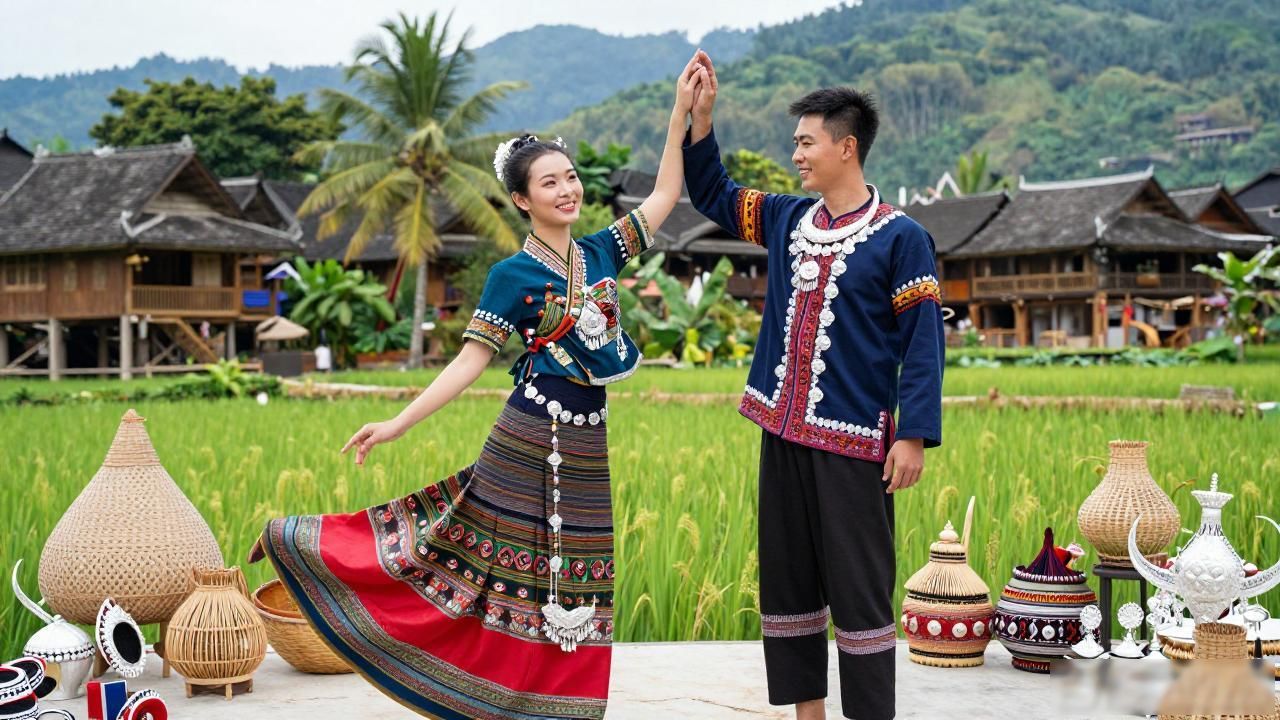
The Dai minority, one of China’s 55 officially recognized ethnic groups, is known for its rich traditions, Buddhist influence, and vibrant festivals. Living mainly in the tropical Xishuangbanna region of Yunnan Province, the Dai people have preserved a unique way of life that blends spirituality, artistry, and close ties to nature. For travelers and culture enthusiasts, understanding Dai culture means exploring its deep-rooted customs, from water-splashing celebrations to intricate textile weaving.
What makes Dai festivals so unique
The most famous event in Dai culture is the Water-Splashing Festival, which marks the Dai New Year. This celebration involves pouring water on others as a symbol of washing away bad luck and welcoming a fresh start. But there’s more to it than just fun. The festival includes Buddhist rituals, where people visit temples to bathe Buddha statues and listen to monks chanting. Dragon boat races and fireworks add excitement, while traditional dance performances tell stories of Dai history and mythology. Visitors often find that the festival is a perfect window into the community’s values of joy,gratitude, and togetherness. Locals prepare special foods like steamed bamboo rice and grilled fish, sharing meals with family and neighbors. If you plan to attend, expect to get wet in a friendly way, and don’t forget to bring a change of clothes.

How Dai clothing and crafts reflect their identity
Dai clothing is both practical and symbolic, especially for women who wear colorful sarongs called “sinhs,” often paired with fitted blouses and silver belts. These outfits are not just decorative; they show a woman’s age, marital status, and social role within the village. Men traditionally wear loose shirts and trousers, with turbans for special occasions. Dai textiles are handwoven using cotton or silk, with patterns inspired by nature like peacocks, flowers, and water waves. Silver jewelry, especially necklaces and bracelets, is a key part of ceremonial dress. Craftsmanship also extends to bamboo weaving, pottery, and wood carving, all used in daily life and religious offerings. Learning about these crafts helps you see how Dai people express their creativity while staying connected to their environment.
Dai minority culture offers a rare glimpse into a community that values harmony, spirituality, and artistic expression. From lively festivals to everyday traditions, every aspect tells a story worth discovering.