
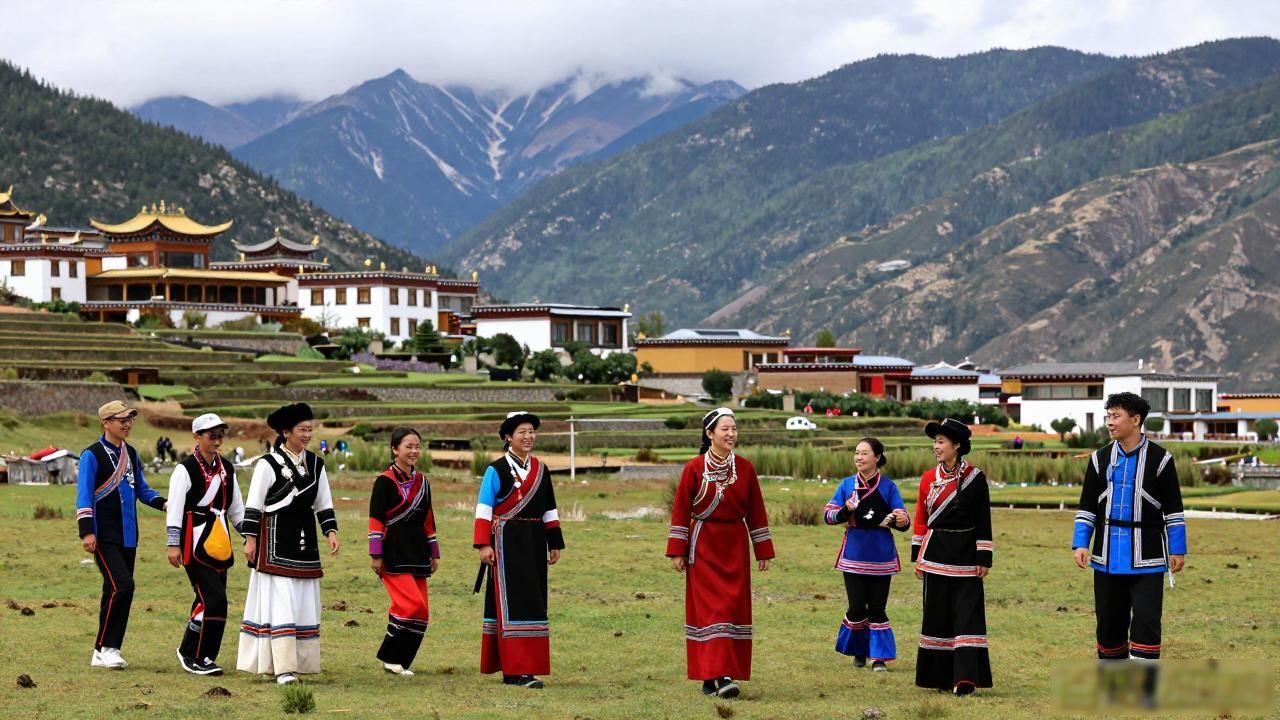
China is not just about the Great Wall and bustling megacities. Its ethnic minority regions offer a completely different world—vibrant festivals, ancient traditions, and landscapes that rival any postcard. If you’re looking for an authentic cultural experience beyond the tourist trail, exploring China’s ethnic minority tourism is a must. These communities, from the Dai in Yunnan to the Uyghurs in Xinjiang, preserve unique ways of life that have survived for centuries. This guide will help you understand what makes these destinations special and how to plan a respectful, rewarding trip.

What makes ethnic minority tourism in China unique
The diversity of China’s 56 officially recognized ethnic groups means each region has its own language, clothing, architecture, and cuisine. In the mountains of Guizhou, the Miao people are known for their intricate silver jewelry and colorful embroidery. You can visit their villages, stay in wooden stilt houses, and watch traditional dances that tell stories of their ancestors. Meanwhile, in the tropical south, the Dai people celebrate the Water Splashing Festival, where locals and tourists alike drench each other in a joyful celebration of the New Year. These experiences aren’t staged for tourists—they’re living traditions. The food is another highlight. Try yak butter tea in Tibet, sour fish soup with the Dong people, or hand-pulled noodles in Xinjiang’s bazaars. Each meal tells a story about the land and the people.
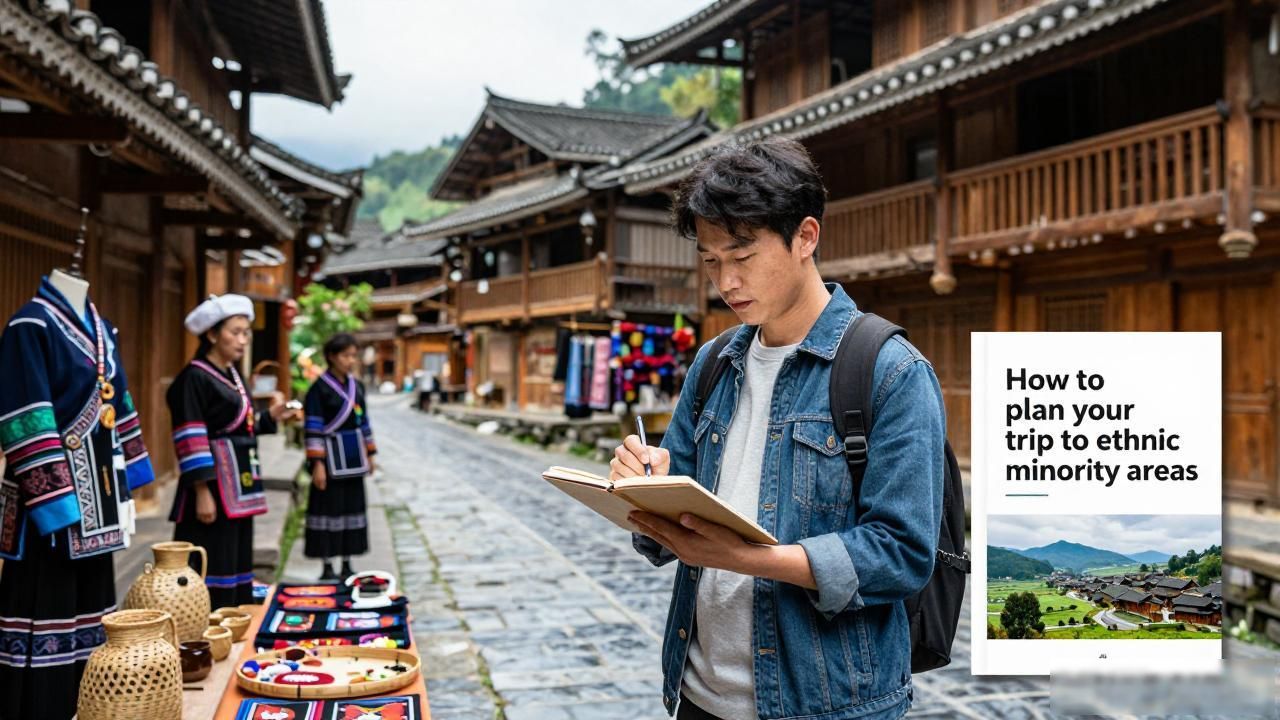
How to plan your trip to ethnic minority areas
Start with the most accessible region: Yunnan province. It’s home to over 25 ethnic groups, including the Naxi in Lijiang and the Bai in Dali. Both cities have good infrastructure and English-friendly guides. For a deeper experience, head to the terraced rice fields of Yuanyang, where the Hani people have farmed for generations. If you’re more adventurous, consider Xinjiang,though it requires more planning. The Uyghur culture in Kashgar feels like stepping into Central Asia, with bustling Sunday markets and centuries-old mosques. Always hire local guides who belong to the ethnic group you’re visiting. They can help you navigate cultural etiquette—like removing shoes before entering a home or not pointing at religious statues. Also, check the local festival calendar. Events like the Torch Festival of the Yi people or the Nadam Fair in Inner Mongolia offer unforgettable moments that no museum can replicate.
Traveling to ethnic minority regions in China is about connection—with people, history, and landscapes. It’s slow travel, best done with an open mind and a flexible schedule. Whether you’re sharing tea with a Tibetan family or learning to dye fabric with the Zhuang women, these moments will stay with you long after you return home. Pack light, learn a few local greetings, and leave room for the unexpected. That’s where the real magic lives.