
Chinese New Year food is not just about delicious tastes—it is packed with symbolism, tradition, and history. As someone who has studied Chinese culinary culture for years, I want to help you understand what these dishes mean and why they are so important during the Spring Festival.
What are the most common dishes on the Chinese New Year table

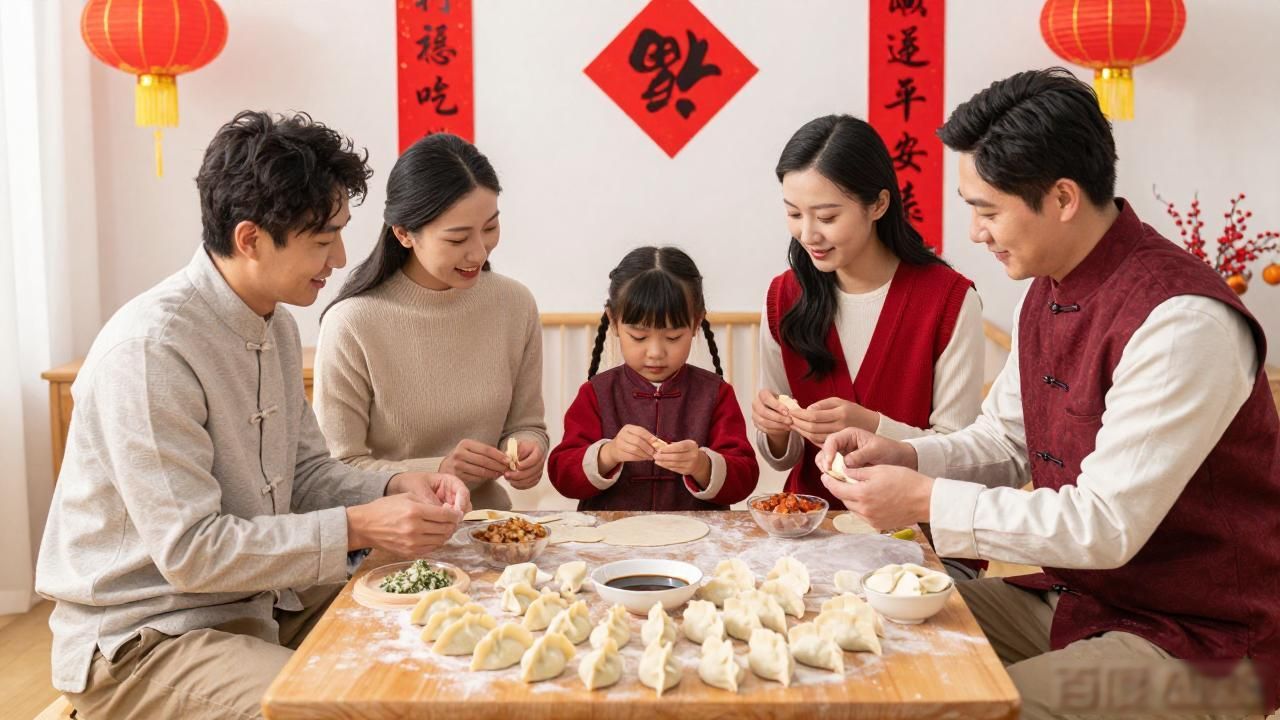
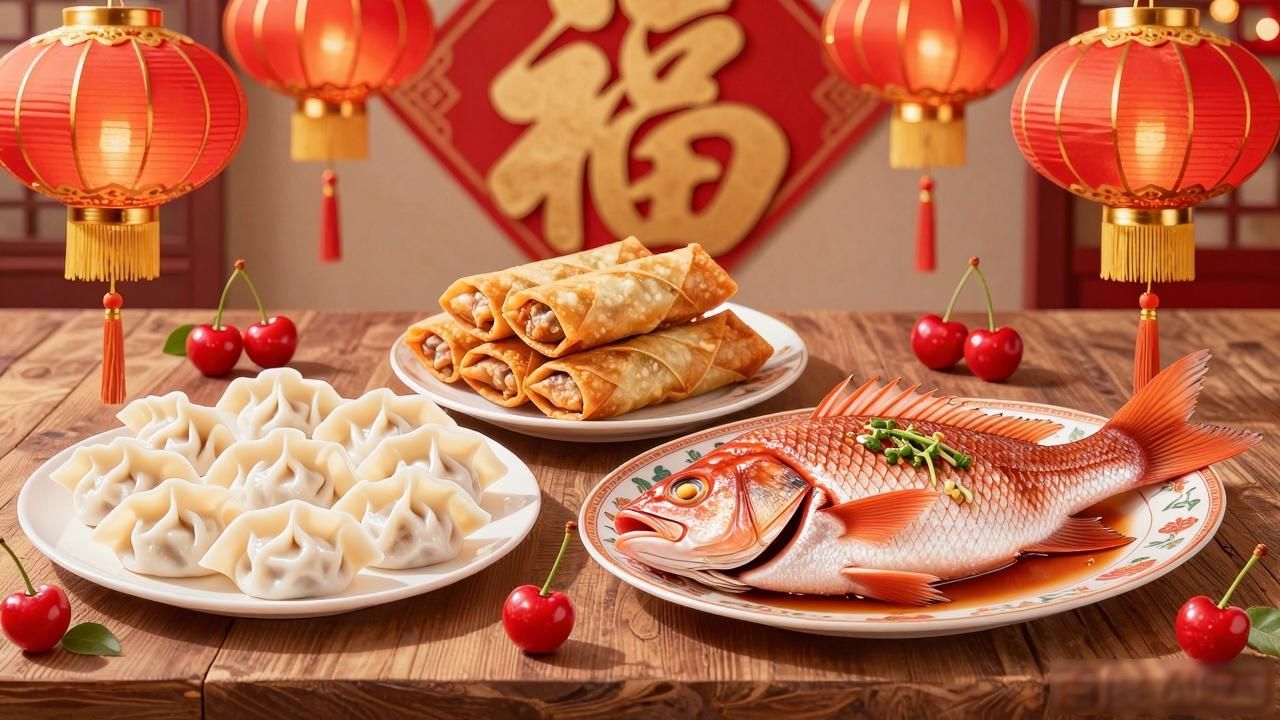
The most classic dish is dumplings. They look like ancient Chinese silver ingots, so eating them is believed to bring wealth. Families gather to make them together the night before New Year’s Day. Another must-have is fish. In Chinese, the word for fish sounds like the word for surplus. Serving a whole fish means you wish for abundance in the coming year. The fish is never finished completely—leftovers symbolize savings left for next year.
Spring rolls are also very popular. Their golden color and cylindrical shape resemble gold bars, so they represent wealth. Nian gao, or sticky rice cake, is a sweet dessert that symbolizes growth and progress because its name sounds like “getting higher year by year.” In northern China, people also eat braised pork belly or lamb hot pot to warm up during the cold winter.
How do different regions celebrate with special foods
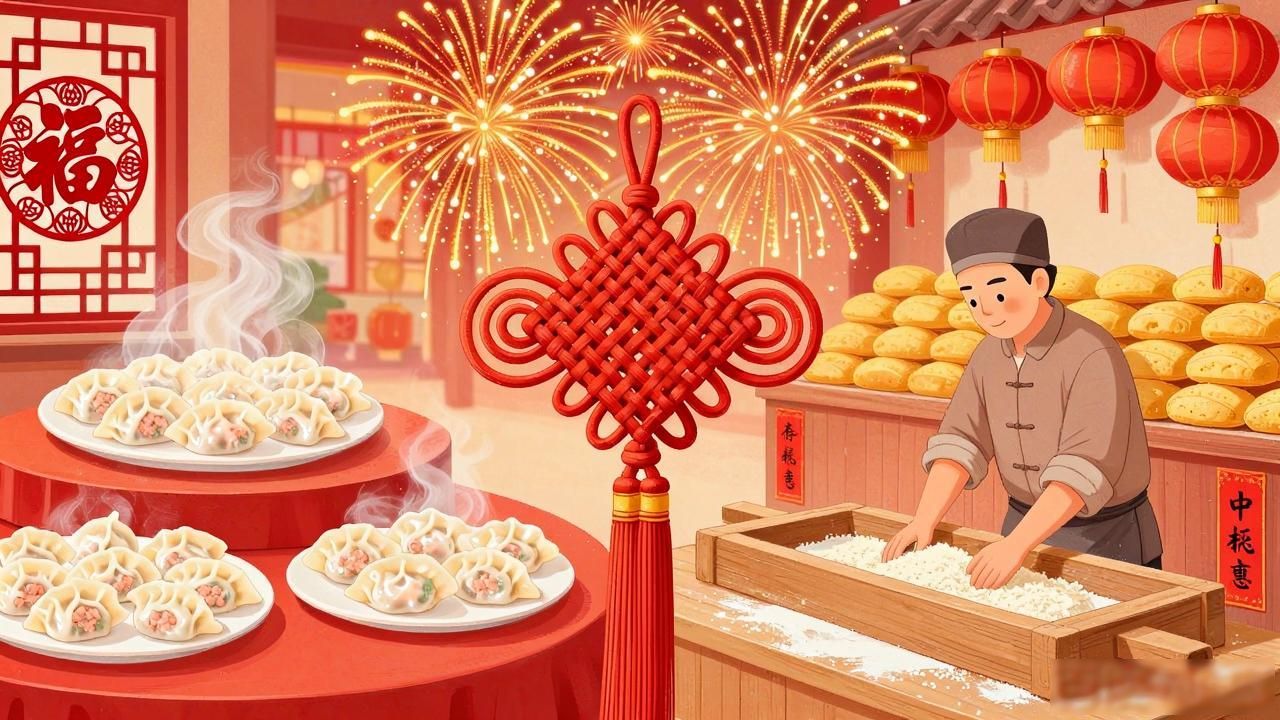
Chinese New Year food varies a lot from region to region. In the south, people love to eat fa gao, a steamed sponge cake that rises high like a blooming flower. This symbolizes prosperity rising. In Guangdong province, poon choi is a layered casserole dish with seafood, meat, and vegetables. It represents togetherness because everyone eats from the same big bowl.
In Sichuan, the hot pot is a central dish. The bubbling red broth brings warmth and happiness, and sharing hot pot strengthens family bonds. In Shanghai,people eat eight treasure rice pudding, a sticky rice dessert stuffed with red bean paste and topped with dried fruits and nuts. Each ingredient represents a different blessing—like health, happiness, and long life.
For Western readers, the most important thing to remember is that every dish has a story. The food is not random; it is chosen carefully to bring good fortune, health, and happiness. So when you try these dishes, think about the wishes hidden inside each bite.
The variety of Chinese New Year food reflects the richness of Chinese culture. Whether you are eating dumplings in Beijing or hot pot in Chengdu, each meal carries centuries of meaning. I hope this guide helps you appreciate the depth behind the flavors. Now you can enjoy the celebration with more understanding and respect.