
Traditional Chinese festivals are not just dates on a calendar. They are living traditions that connect people to centuries of history, family values, and seasonal rhythms. From the vibrant red lanterns of the Lunar New Year to the moonlit reunions of the Mid-Autumn Festival, these celebrations offer a unique window into Chinese culture that many foreigners find both fascinating and meaningful.
What makes Chinese festivals so different from Western ones

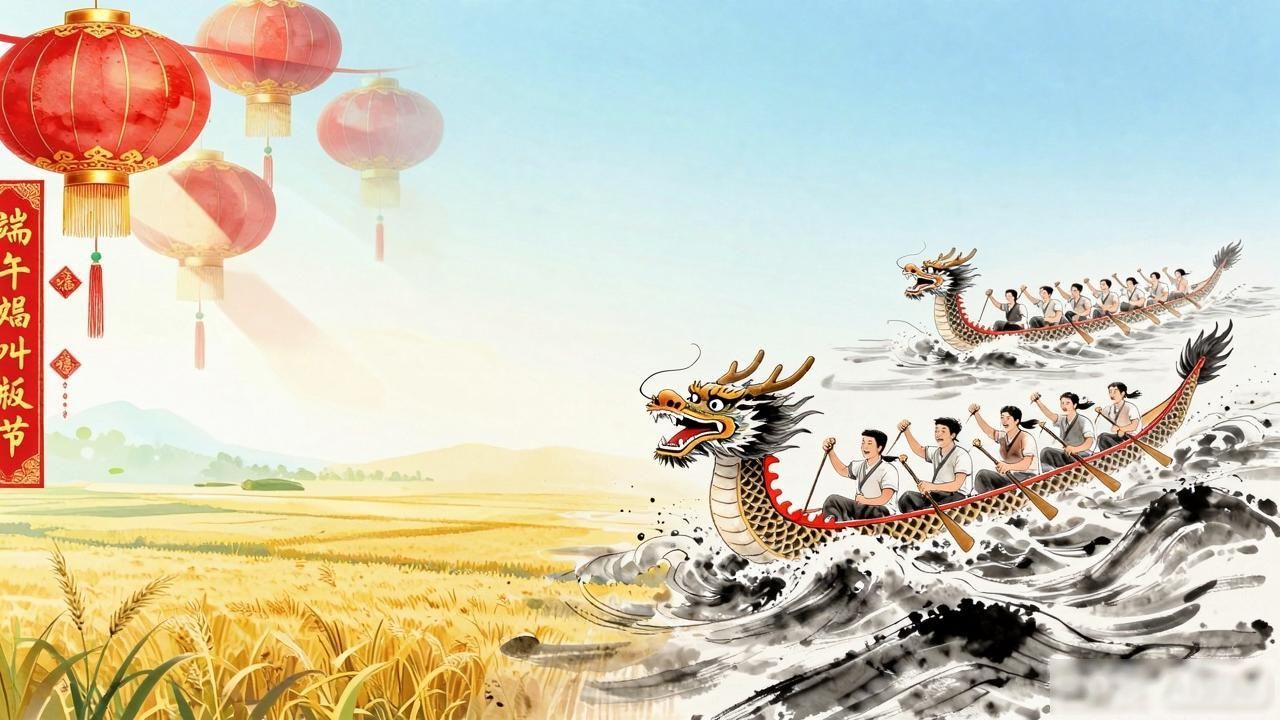
Chinese festivals are deeply tied to the lunar calendar and the agricultural cycle. This means they shift each year, which can feel surprising if you’re used to fixed holidays like Christmas or Thanksgiving. But this connection to nature gives each festival a distinct flavor. For example, the Dragon Boat Festival falls in early summer, when the weather is warm and rivers are full. People eat sticky rice dumplings wrapped in bamboo leaves and race dragon-shaped boats. The focus is not just on celebration but also on remembering ancient figures like the poet Qu Yuan.
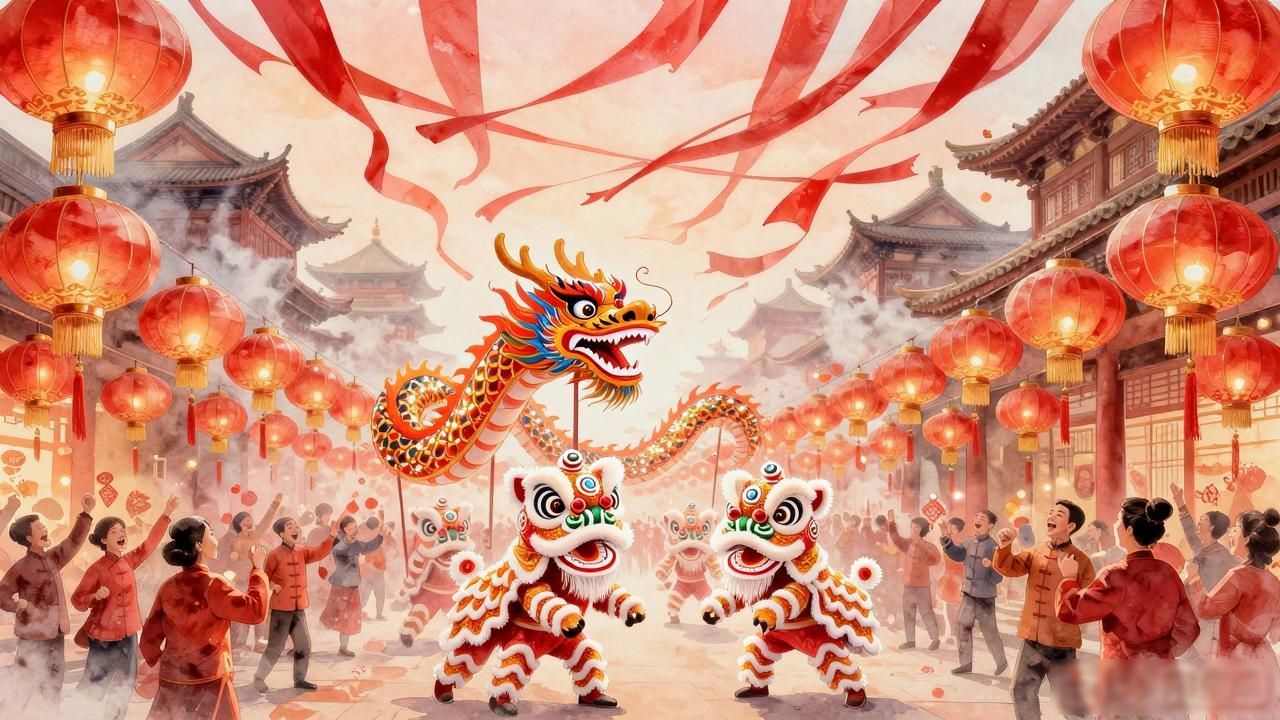
Another key difference is the role of family. Most Chinese festivals are built around reunions. During the Spring Festival,millions of people travel across the country just to sit down for a meal together. The food, the red envelopes, and the fireworks are all expressions of care and belonging. For someone outside this culture, being invited to join such a gathering is a rare and warm experience.
How to enjoy these festivals as a foreigner without feeling lost
You don’t need to know everything to have a good time. Start with one festival that sounds interesting to you. The Lantern Festival, for instance, is visually stunning and easy to join. You just walk around, look at the lanterns, and maybe solve a few riddles written on them. No deep cultural knowledge is required. Many cities in China, especially Beijing, Shanghai, and Chengdu, host public events that are open to everyone.
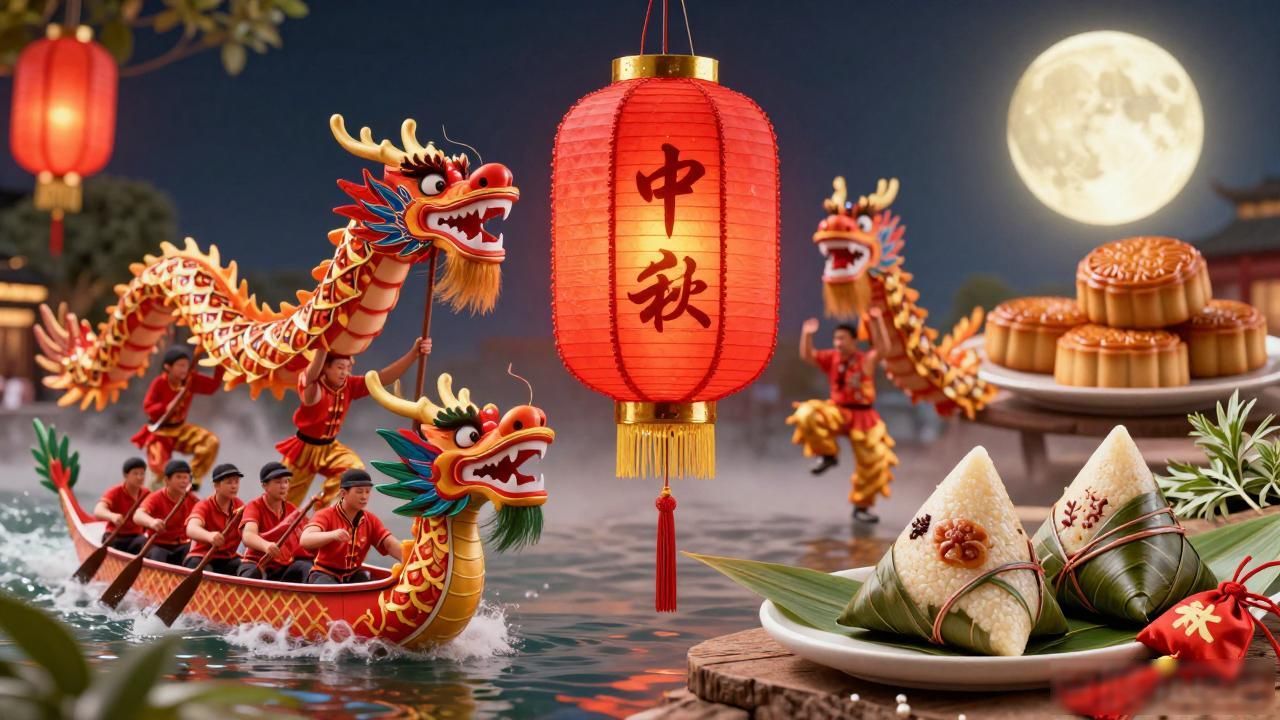
If you want to go deeper, try learning a simple greeting in Mandarin, like “Happy New Year” or “Happy Mid-Autumn.” People will appreciate the effort. Also, be open to tasting unfamiliar foods. Mooncakes, zongzi, and tangyuan are not just snacks. They carry stories and meanings. Eating them with locals gives you a direct taste of the tradition.
These festivals are not performances for tourists. They are real, lived experiences. If you show genuine curiosity, most Chinese families will welcome you warmly. You don’t have to master the customs. Just showing up and sharing a meal with people can be enough to make the memory last a lifetime.