
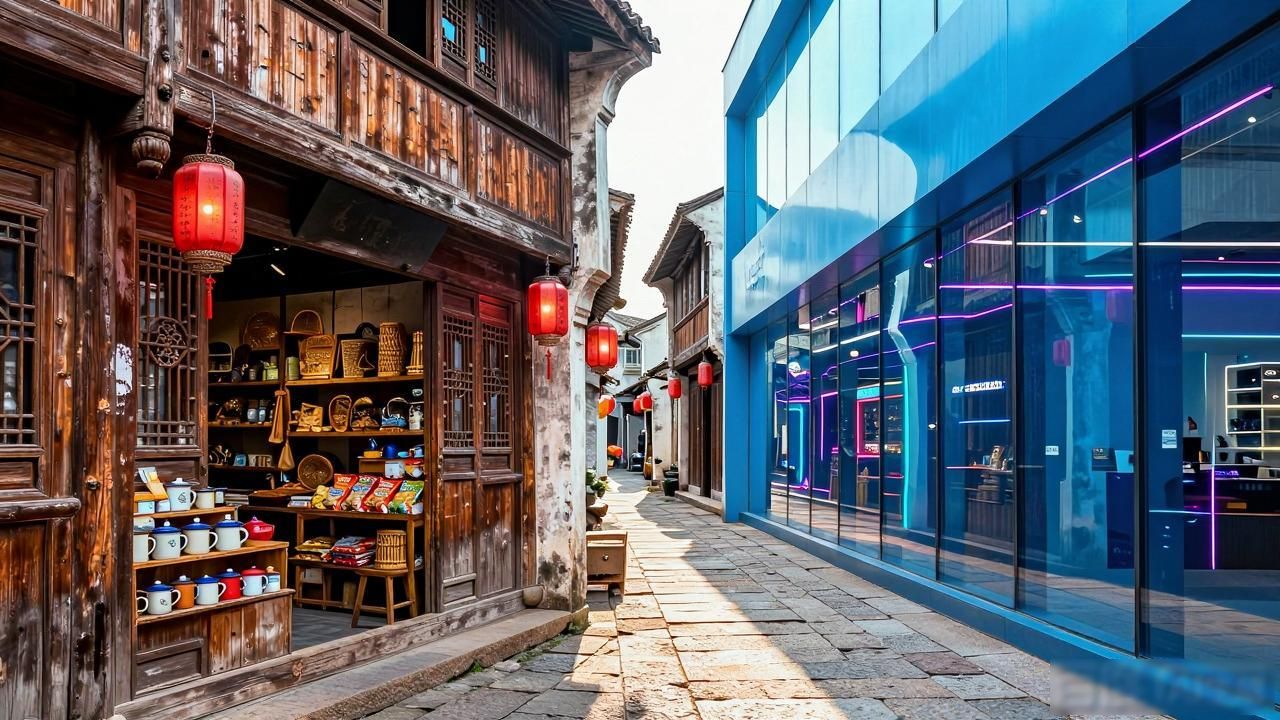
Old town shops in China offer a unique window into the country’s cultural soul, blending centuries-old craftsmanship with the lively pulse of modern life. For foreign travelers, these shops are more than retail spaces—they are living museums where tradition, community, and everyday commerce intersect. Walking through an old town lane, you’ll find narrow storefronts selling everything from hand-painted porcelain to fragrant tea leaves, each shop telling its own story of heritage and survival.

What makes old town shops different from modern stores
The first thing you notice is the lack of uniformity. Unlike glossy shopping malls with identical chains, old town shops reflect the personality of their owners. A calligraphy brush maker in Pingyao might spend decades perfecting a single technique,while a spice vendor in Lijiang will gladly let you taste before you buy. These shops operate on trust and familiarity, not price tags and return policies. Customers often haggle, but the exchange is friendly—a conversation, not a transaction. The goods themselves are often handmade, sometimes in the back room while you wait. You won’t find mass-produced souvenirs here; instead, you’ll discover items with small imperfections that prove their authenticity. This human touch is something modern retail has lost.
How to shop smart in Chinese old towns
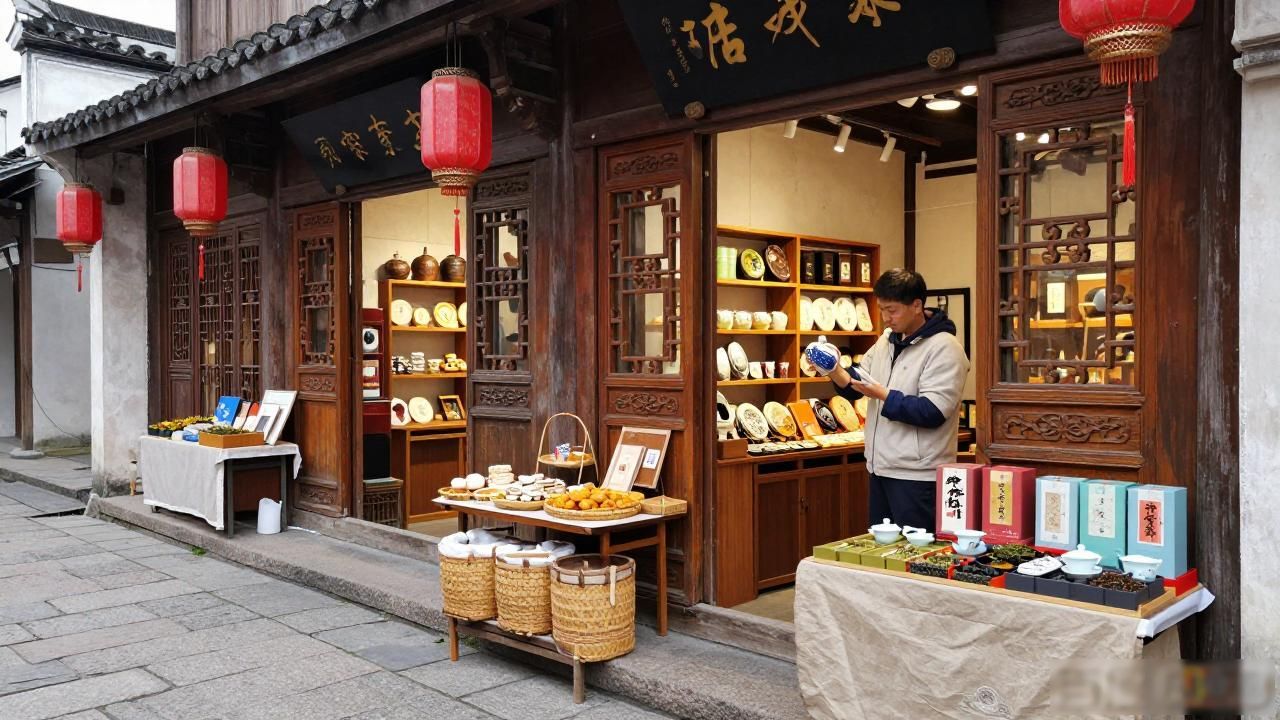
Visiting old town shops requires a shift in mindset. Don’t rush. Spend time watching how a shopkeeper wraps tea leaves in paper or carves a wooden seal. Ask questions, even if your Chinese is limited—most vendors appreciate genuine curiosity. Prices are rarely fixed, but bargaining should be respectful. A good rule is to start at half the asking price and meet somewhere in the middle. Cash is still king in these shops, though many now accept mobile payments. Be mindful of fakes: genuine antiques require a certificate, and silk should feel smooth but not slippery. If you’re buying food items like dried fruits or candied hawthorn, check the packaging date. And don’t be afraid to buy small, fragile items—most shopkeepers will wrap them carefully for travel.
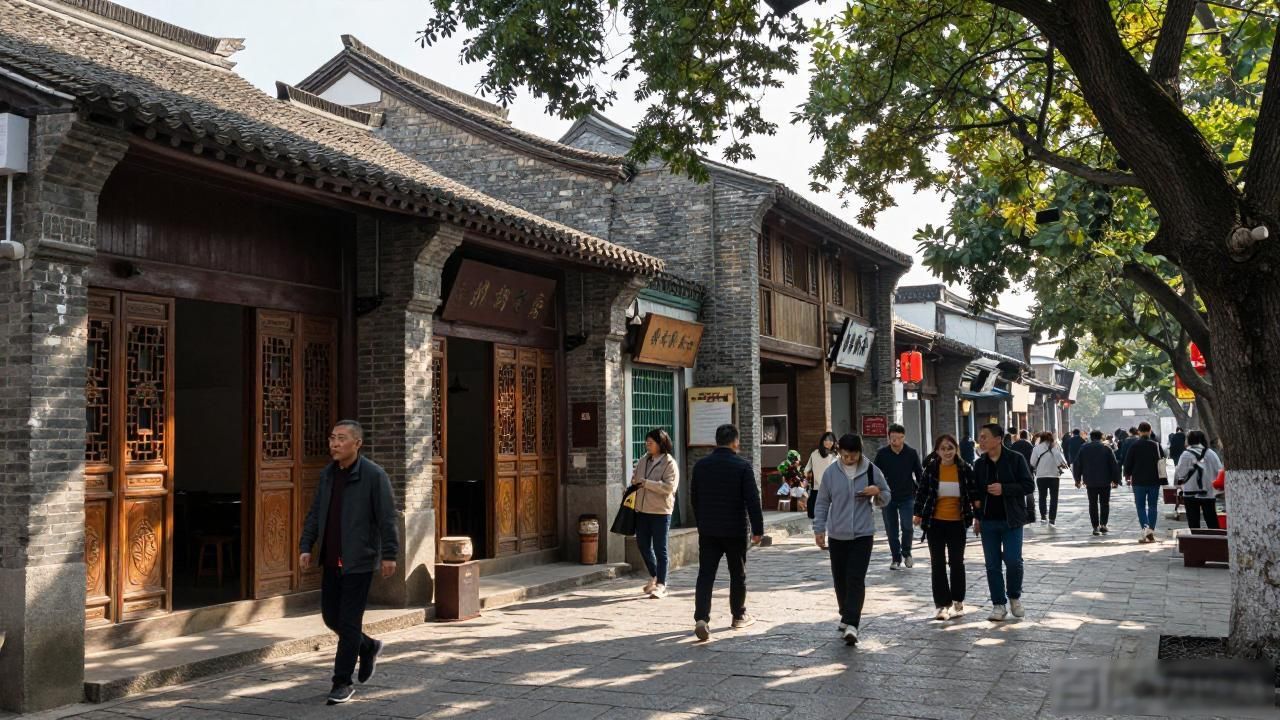
Old town shops are not dying relics but evolving traditions. They adapt to tourism without losing their essence. For travelers willing to look beyond the surface, these shops offer something no online retailer can: a direct connection to Chinese culture, one conversation at a time.