
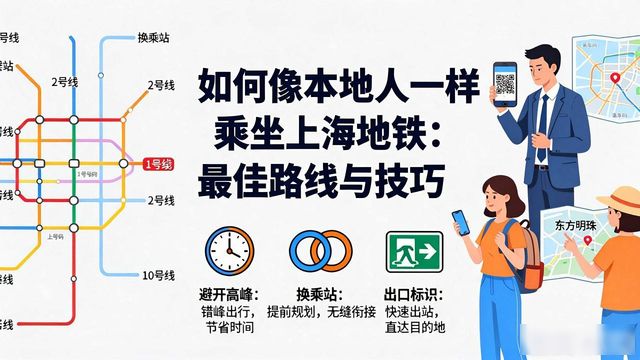
The Shanghai subway is one of the largest and busiest metro systems in the world, connecting nearly every corner of this massive city. If you’re visiting or moving to Shanghai, understanding the subway routes is essential for getting around efficiently. With over 20 lines and more than 500 stations, the system can feel overwhelming at first, but once you know the key routes and how to use them, it becomes your fastest and most reliable way to travel.
Which Shanghai subway routes do tourists need most

For most visitors, three metro lines will cover almost everything you want to see. Line 1 runs north to south, connecting Shanghai Railway Station, People’s Square, and Xujiahui. Line 2 is the most important east-west line, linking Hongqiao Airport, the Jing’an Temple area, People’s Square, and the Lujiazui financial district, all the way to Pudong Airport. Line 10 is a tourist favorite because it stops at the French Concession, Yuyuan Garden, and the Bund. If you’re staying in Shanghai for a few days, these three lines alone can take you to most major attractions without needing to switch trains too often.
Transfers between lines are clearly marked inside stations, and signs are bilingual in Chinese and English. The metro operates from around 5:30 AM to 10:30 PM or 11:30 PM, depending on the line. During rush hour, trains come every two to three minutes, which makes waiting almost nonexistent.
How to buy tickets and avoid common mistakes
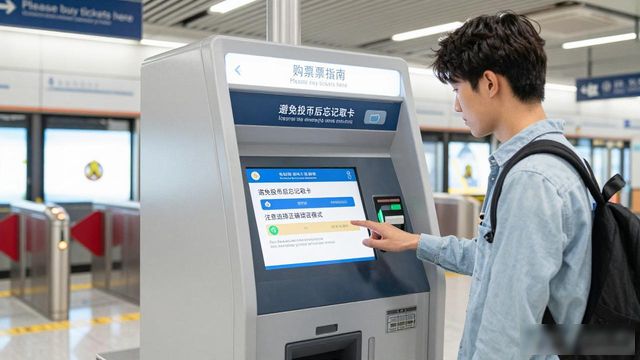
Getting a ticket is easier than you might think. Every station has ticket machines that accept cash and mobile payment. The machines have an English interface, so you can select your destination station and pay. A single ride costs between 3 and 10 RMB depending on distance, which is very affordable. For convenience, buy a Shanghai Public Transportation Card at any station. This card works on the subway, buses, and even taxis. You can recharge it at machines or service windows.
A common mistake first-time riders make is not checking which exit to use. Many stations have multiple exits that lead to different streets or buildings. Before you arrive,look at a map or use a navigation app to see which exit matches your destination. Another mistake is riding during peak hours without planning. The busiest times are 7:30 to 9:00 AM and 5:00 to 7:00 PM on weekdays. If you can avoid these windows, your trip will be much more comfortable.
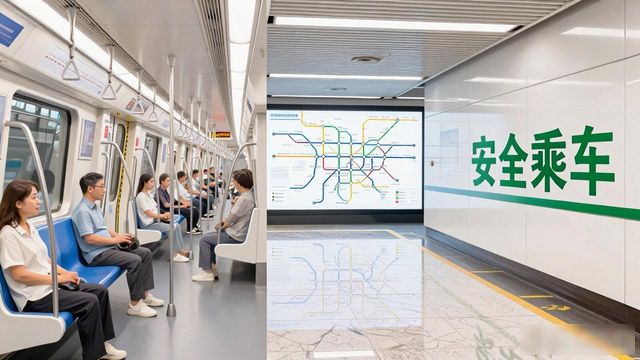
The subway is generally safe and clean. Cell service works underground, and many stations have free Wi-Fi. Just remember to stand on the right side of the escalator so people in a hurry can pass on the left. This simple habit helps everyone move smoothly.
Once you get the hang of a few main routes and learn how to use the ticket system, the Shanghai subway becomes your best friend for exploring the city. It saves time, money, and the hassle of traffic jams. Carry a map on your phone, pick your exits wisely, and you’ll be traveling like a local in no time.