
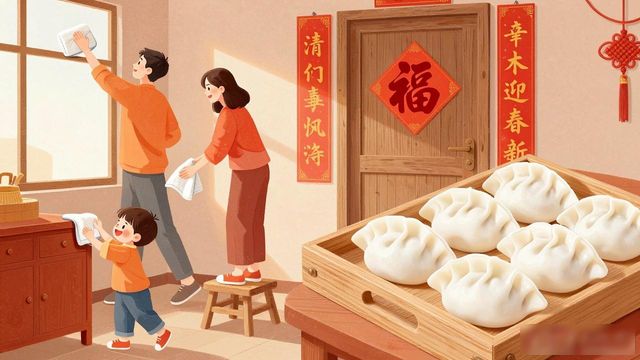
Traditional festivals and New Year celebrations are more than just dates on a calendar. They reflect centuries of customs, family values, and community spirit. For many people, these holidays are the heart of cultural identity, bringing together generations through shared rituals and joyful gatherings. Understanding how to take part in these traditions can make your experience more meaningful and memorable.
What Makes Traditional Festivals So Special

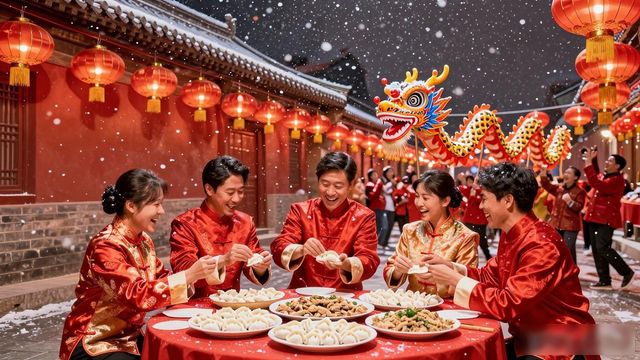
Traditional festivals often revolve around seasonal changes, agricultural cycles, or historical events. During New Year, families clean their homes to sweep away bad luck and prepare for fresh beginnings. In many cultures, food plays a central role. For example, dumplings in China symbolize wealth,while in Western countries, a grand feast with turkey or ham marks the occasion. People also exchange gifts and greetings, reinforcing bonds with loved ones. Fireworks, parades, and music add excitement and a sense of shared celebration. These rituals are not just for show; they carry deep emotional and spiritual meaning.
The atmosphere during these festivals is often vibrant and welcoming. Streets are decorated with lanterns, lights, or flowers depending on the region. Communities organize fairs, performances, and religious ceremonies. Even if you are a visitor, you can easily join in by learning a few local customs. Dressing in traditional attire, trying festive foods, and participating in games or prayers can help you feel connected. The key is to respect the culture and approach the experience with curiosity and an open heart.
How to Enjoy New Year Traditions Without Feeling Lost
If you are new to a country’s New Year traditions, start by observing what locals do. Visit public spaces during the evening to see how people celebrate. Ask friends or hosts about the meaning behind certain activities. For instance, in Japan, people eat soba noodles for longevity, while in Scotland, first-footing involves bringing gifts to neighbors after midnight. These small actions carry big significance. You do not need to know everything, but showing interest goes a long way.
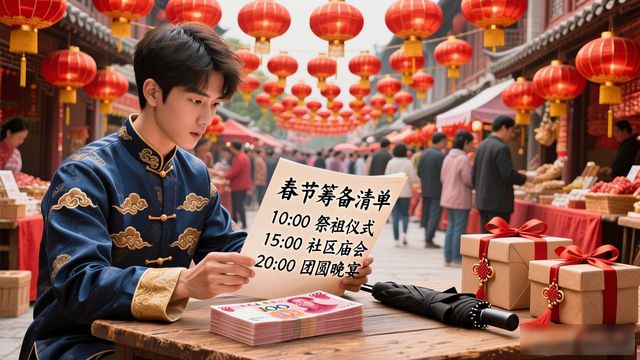
Another practical tip is to plan ahead. Some festivals last for days, so check the schedule and prepare accordingly. Bring cash for small purchases, dress for the weather, and be ready for crowds. If you are invited to someone’s home, bring a small gift like sweets or wine. Avoid sensitive topics and follow table manners. Most importantly, enjoy the moment. Traditional festivals and New Year are about happiness, hope, and human connection. Let yourself be part of that energy, and you will create lasting memories.
Celebrating with others reminds us that despite different backgrounds, we all share the desire for renewal, gratitude, and togetherness. Whether you are at home or abroad, these festivals offer a chance to pause, reflect, and embrace what truly matters.