
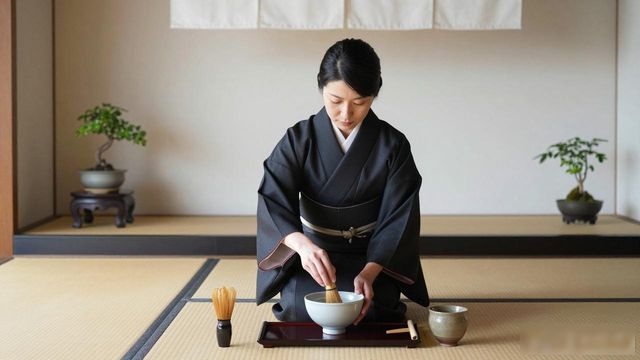
Tea ceremony culture is far more than a simple act of drinking tea. It is a meditative practice, a way to slow down, and a deep connection to mindfulness, history, and nature. For many Westerners, especially those seeking calm in a fast-paced world, understanding tea ceremony culture offers a path to inner peace and a richer appreciation of daily rituals.
What Makes Tea Ceremony a Unique Cultural Experience

At its core, tea ceremony culture is about the preparation and presentation of tea as a sacred art. In Japan, the ceremony known as chanoyu emphasizes harmony, respect, purity, and tranquility. Every movement, from the way the tea bowl is held to the whisking of the matcha, is deliberate and filled with meaning. This is not about rushing through a cup of tea; it is about being fully present in the moment.
For someone new to this tradition,the first step is to understand that the environment matters just as much as the tea itself. The room is often simple, with natural light and minimal decoration. A scroll on the wall or a single flower arrangement sets the tone. The host carefully selects each utensil, and the guests are expected to appreciate the beauty of the tools and the seasonality of the experience.
This level of detail may seem overwhelming at first, but it is exactly what makes the tea ceremony so rewarding. It teaches patience and attention. Many people who practice it report feeling a sense of clarity and calm that stays with them long after the tea is finished. It is not about entertainment, but about connection—to oneself, to others, and to the present moment.
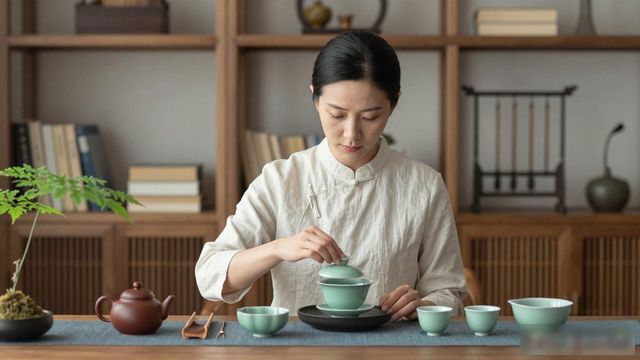
How to Start Your Own Tea Ceremony Practice at Home
You do not need to travel to Japan or join a formal school to begin experiencing tea ceremony culture. Start small. Purchase a simple matcha bowl, a bamboo whisk, and some high-quality matcha powder. Watch a few authentic demonstrations online, paying close attention to the rhythm of the movements.
The key is not perfection but intention. Clear your space of distractions. Sit quietly for a moment before you begin. As you pour the hot water and whisk the tea, focus only on that action. Let your mind settle. The first few times, your technique may be clumsy, but that is part of the learning process.
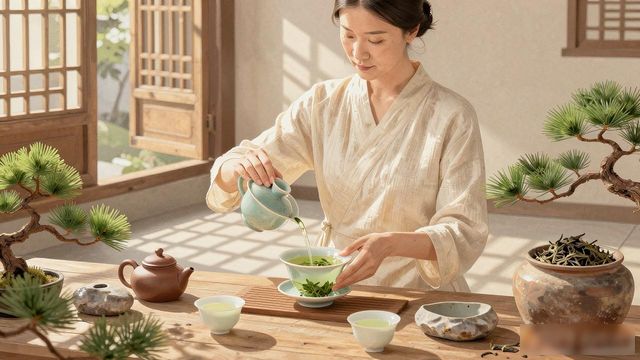
You can also adapt the spirit of the ceremony to other types of tea. The principles of mindfulness and gratitude apply whether you are brewing green tea, oolong, or even herbal infusions. What matters is that you create a small ritual that helps you pause and breathe. Over time, this practice can become a powerful anchor in your daily life, offering a quiet refuge from the noise of modern living.
Tea ceremony culture is not about following strict rules; it is about finding your own rhythm within a tradition that has been refined over centuries. Let the experience teach you. Let the warmth of the bowl and the taste of the tea remind you to slow down. In that simple act, you will discover something profound.