
Harbin in winter is not just about ice sculptures and freezing temperatures. It also offers a surprising and memorable opportunity to observe wildlife in a snowy landscape. As a long-time wildlife observer and travel writer, I have found that Harbin’s winter wildlife experience is raw, authentic, and often overlooked by tourists. The key is knowing where to go and what to expect.
Where to see wild animals in Harbin during winter

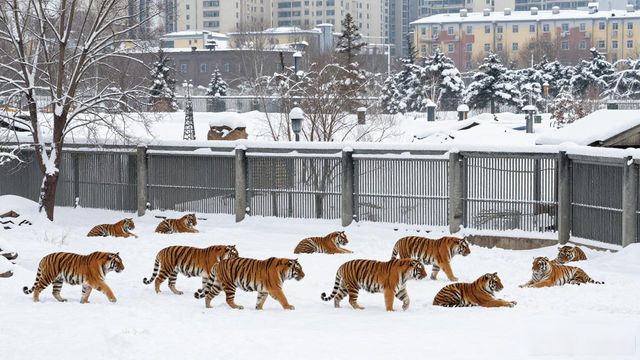
The most reliable spot for winter wildlife viewing is the Siberian Tiger Park, located just outside the city center. This is not a typical zoo. Here, you can see Amur tigers, also known as Siberian tigers, in large, open enclosures covered in snow. The park is home to hundreds of tigers, and during winter, their thick coats become even more impressive. You can take a specially designed bus that drives through the tiger habitats, allowing you to observe them resting, walking, and sometimes playing in the snow. I have visited this park three times, and each winter visit has been different. The tigers are more active in the cold, and their breath creates small clouds of steam as they move. It is a powerful sight.
Another good option is the Harbin Polarland, which combines an aquarium with a polar wildlife exhibit. While not truly wild, it offers close views of animals like polar bears, arctic foxes, and seals in environments that mimic their natural habitats. The polar bear exhibit is particularly impressive during winter, as the outdoor area is filled with real snow and ice. For families or first-time visitors, this is an easy way to see Arctic animals without traveling far from the city.
What makes Harbin winter wildlife viewing unique
The biggest difference between Harbin and other winter wildlife destinations is the combination of extreme cold and urban accessibility. You do not need to travel deep into the wilderness to see rare animals. The Siberian Tiger Park is only a 30-minute drive from central Harbin. The cold itself changes the behavior of the animals. On my last visit, I watched a group of tigers gather near a frozen lake, their orange and black stripes contrasting sharply with the white snow. The silence of the winter landscape, broken only by the crunch of snow underfoot and the occasional roar,creates an atmosphere that is both peaceful and intense.

However, you should be prepared. Temperatures can drop below minus 30 degrees Celsius. Dress in layers, wear insulated boots, and bring hand warmers. Most outdoor viewing areas are exposed to the wind, so a good windproof jacket is essential. Photography is rewarding but challenging. Camera batteries drain quickly in extreme cold, so keep spare batteries in an inner pocket close to your body.
The experience goes beyond just looking at animals. It is about understanding how life adapts to one of the harshest climates on Earth. Watching a tiger pad silently through deep snow or seeing a fox curl up against the wind gives you a new respect for nature’s resilience. If you are planning a winter trip to Harbin, add a wildlife stop to your itinerary. It will give you a different perspective on this frozen city.