
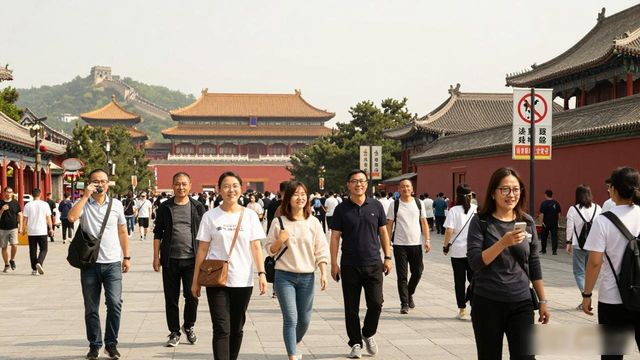
Traveling to China has become a hot topic among international tourists, and the question I hear most often is straightforward: Is it safe to travel in China? Based on my own experiences and countless reports from travelers I have spoken with, I can tell you that China is not just safe—it is one of the most secure destinations you can choose. From low crime rates to well-organized public systems, safety here is taken very seriously.
What is the crime rate like for tourists in China

The first thing you notice when you walk the streets of Beijing or Shanghai is the absence of visible crime. Pickpocketing, which is common in many global cities, is relatively rare here. I have walked through busy night markets at midnight, taken late subway rides, and explored quiet alleys without ever feeling threatened. The police presence is visible but not overwhelming, and surveillance systems are everywhere, which makes potential criminals think twice. For solo female travelers, China is surprisingly safe. I have met women who backpacked across Yunnan, Guangxi, and Tibet alone, and they all shared stories of locals offering help, not harassment. Of course,basic common sense applies—keep an eye on your belongings in crowded areas, avoid flashing valuables, and stay aware in unfamiliar neighborhoods. But compared to many popular destinations in Europe or Southeast Asia, the risk is genuinely lower.
How does the government ensure safety for foreign visitors
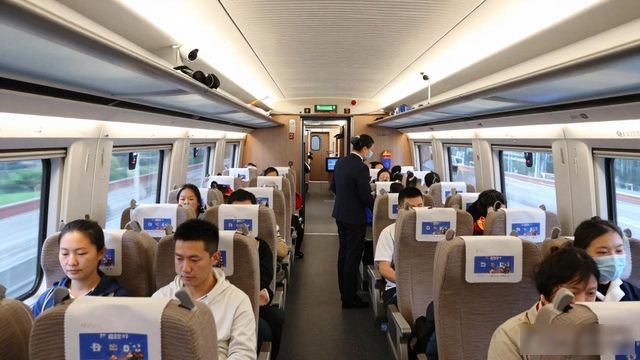
Beyond street safety, the Chinese government has put real systems in place to protect tourists. Public transportation, including high-speed trains and metros, is monitored closely and cleaned constantly. Every station has clear English signage and staff who can help if you get lost. In case of illness or accident, hospitals in major cities have international departments with English-speaking doctors. The emergency number 110 works for police, and operators can often connect you with an interpreter. During my travels, I also noticed how quickly authorities respond to incidents—lost passports, minor accidents, or even a delayed train. The system is efficient. For health scares, like the occasional air pollution spike, real-time apps and public alerts keep you informed. And during festivals, crowd control is handled with military precision, so you never feel crushed or unsafe, even in massive crowds like at the Spring Festival rush. This level of organization gives foreign visitors peace of mind.
What about scams and food safety concerns
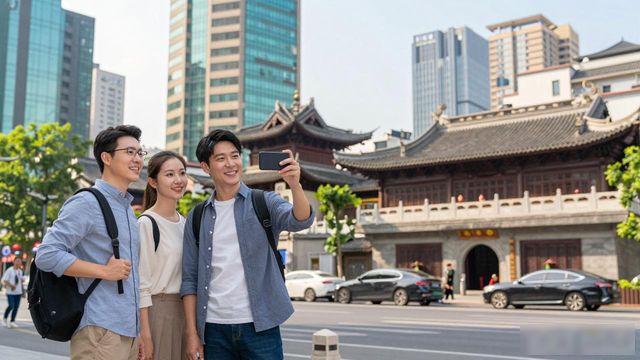
Let me address two worries that often come up. First, scams exist in tourist-heavy spots, just like anywhere else. You might encounter overpriced tea ceremonies in Beijing or fake ticket sellers near the Great Wall. But these are minor annoyances, not safety threats. My advice: stick to official ticket counters, use ride-hailing apps like Didi rather than random taxis, and ask your hotel for trusted recommendations. Second, food safety has improved dramatically. Street food is generally fine—I have eaten from countless stalls without issue. Tap water is not drinkable, but bottled water is cheap and everywhere. Restaurants in cities follow hygiene standards, and food poisoning is no more common here than in other countries. Just use common sense: avoid raw foods from unknown sources, and you will be fine.
China is a country that takes tourism seriously. The safety infrastructure is solid, the people are welcoming, and the risks are lower than many travelers assume. If you plan your trip with basic awareness, you will find it not only safe but deeply rewarding.