
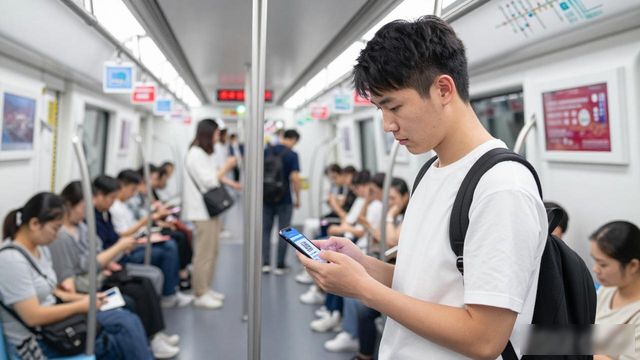
China’s public transportation system is one of the most extensive and affordable in the world. From sprawling subway networks in megacities like Beijing and Shanghai to high-speed trains connecting distant provinces, getting around in China is generally fast, safe, and cheap. Whether you are a tourist or a new resident, understanding the basics of buses, subways, and trains will save you time and frustration.
What payment methods work for buses and subway

Paying for public transport in China is very different from many Western countries. Cash is rarely used on buses and subways today. Almost all systems now require a digital payment method. The most common way is to use a smartphone app like Alipay or WeChat. You simply open the app, scan a QR code at the gate or on the bus, and the fare is deducted automatically. Some cities also offer a physical transport card that you can buy at metro stations and top up with cash. For tourists, it is now possible to link an international credit card to Alipay or WeChat, but you should set this up before you arrive because the process can take a few days. If you do not have a smartphone or mobile payment, you can still buy single-ride tickets at subway station ticket machines, which usually accept cash and coins. However, buses are much harder to use without a phone or card because many drivers no longer carry change.
How to read a Chinese subway map without knowing Chinese
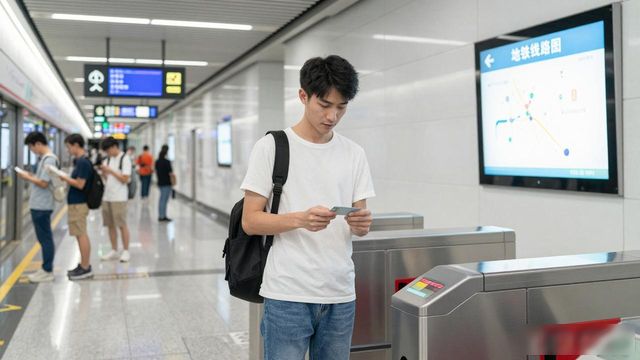
Reading a subway map in China might seem intimidating at first because most signs are in Chinese characters. But the good news is that all major metro systems also use English and numbers. Every station has a unique number. For example, in Shanghai, People’s Square Station is also marked as Line 1, Station 8. You can simply count the stops from your starting station to your destination. The electronic signs inside trains and above platforms also show the next station in English. Another helpful trick is to save a screenshot of the subway map on your phone before you travel. You can use translation apps to look up station names quickly. When in doubt, follow the colored lines on the floor and walls. Chinese subway stations are very well organized, and staff at information counters can usually speak basic English. If you get lost, show them your destination written in Chinese characters on your phone, and they will point you in the right direction.
Why high-speed trains are the best way to travel between cities
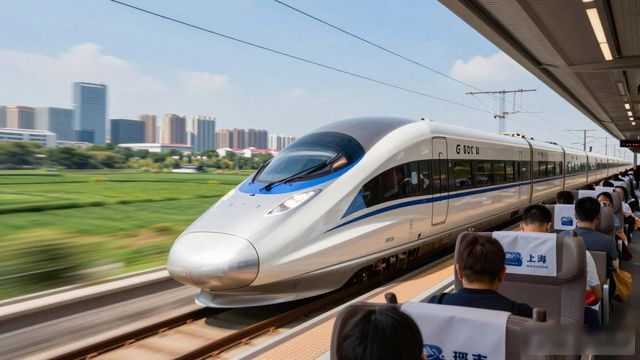
For traveling between cities, China’s high-speed rail network is unmatched in speed, comfort, and reliability. Trains like the G-series can reach speeds over 300 kilometers per hour, cutting travel time from Beijing to Shanghai from over ten hours to just four and a half hours. Tickets are affordable compared to flights, especially if you book second class. The stations are clean, modern, and easy to navigate. You do not need to arrive two hours early like at an airport. Showing up 15 to 30 minutes before departure is usually enough. Security checks are quick, and there are no baggage weight limits on high-speed trains. Onboard, the seats are spacious, Wi-Fi is often available, and food and drinks are sold by attendants. One thing to remember is that you need to buy your ticket with your passport if you are a foreigner, and you must keep your ticket with you because it is checked during the journey. Booking tickets through the official 12306 website or app can be tricky for foreigners,so many travelers use third-party apps like, which charge a small fee but make the process much easier.
Using public transportation in China is not difficult once you understand the payment and navigation basics. The system is designed to handle millions of passengers every day, and it works efficiently. Start with short subway rides to build confidence, then try a high-speed train trip to another city. Soon you will wonder why your home country does not have the same level of convenience.