
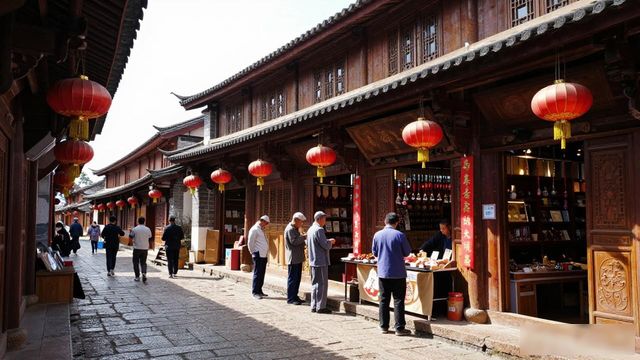
Old town shops in China are not just places to buy things—they are living museums of culture, craft, and everyday life. Walking through ancient alleyways, you’ll find tiny storefronts selling everything from hand-painted fans to fragrant tea leaves. These shops offer a glimpse into traditions that have survived for centuries, and they are often run by families who have passed down their skills for generations. For foreign visitors, understanding how to navigate these spaces can turn a simple shopping trip into a meaningful cultural experience.

What makes old town shops in China truly special
The charm of old town shops lies in their authenticity. Unlike modern malls, these stores are often cramped, with wooden shelves stacked high with goods. The owners might be elderly artisans carving jade or folding paper umbrellas right in front of you. In places like Lijiang or Pingyao, you can watch a potter spin clay into teapots or a calligrapher brush characters onto red scrolls. Each item tells a story—a silk scarf might be dyed with indigo from a village in Guizhou, and a bamboo basket might be woven using techniques from the Ming dynasty. The prices are often negotiable, but the real value is in the connection. Chat with the shopkeeper, ask about their craft, and you might leave with a souvenir that carries a personal memory.
How to shop wisely and avoid common pitfalls
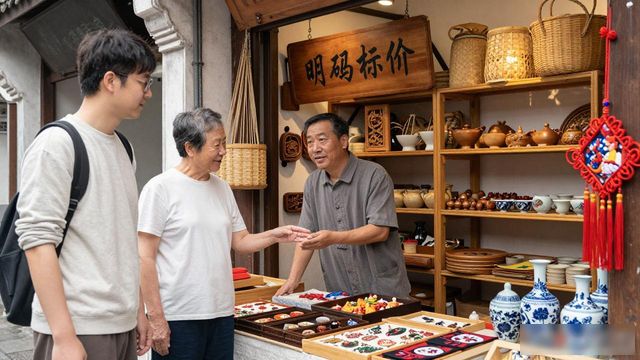
Foreigners sometimes feel overwhelmed by the lively bargaining culture in Chinese old town shops. The key is to stay polite and patient. Start by offering about half the asking price, then work your way up slowly. But remember—not everything should be bargained over. Items in small family-run stores often have fixed prices, especially if they are handmade. Also, watch out for tourist traps in popular towns like Dali or Fenghuang, where mass-produced goods are sold as “antiques.” Stick to shops where you see people actually making things. Check the quality by touching the fabric, smelling the spices, or testing the tea. If a shopkeeper offers you a cup of tea before you buy, accept it—it’s a gesture of hospitality that builds trust.
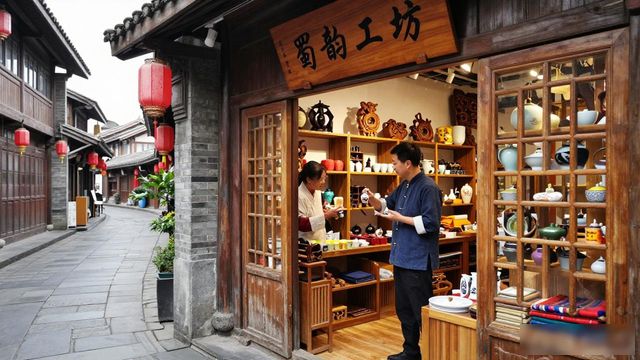
Old town shops in China offer more than products; they offer stories. Whether you’re looking for a hand-painted snuff bottle in Chengdu or a clay figurine in Xi’an, take your time. Let the shopkeeper show you how a brush is made or how tea leaves are roasted. These small interactions turn a transaction into a memory. And in the end, that is the real treasure you take home.