
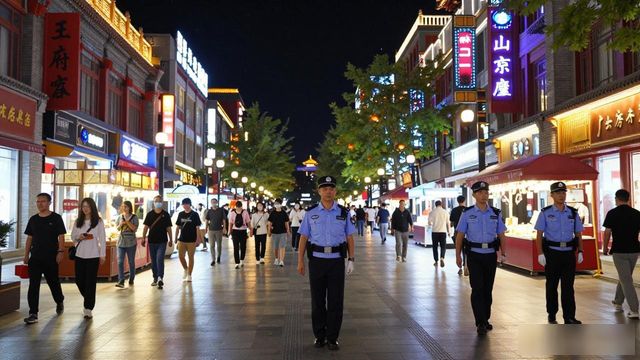
Is it safe to travel in China? This is the first question many international travelers ask before booking a trip. The short answer is yes—China is one of the safest countries for tourists, with low crime rates, strict laws, and a well-developed infrastructure that prioritizes public safety. However, like any destination, it helps to know what to expect, especially regarding health rules, transportation, and cultural differences. Below, I break down the key areas that matter most to foreign visitors.
Safety in big cities and tourist spots

When you walk through Beijing, Shanghai, or Chengdu, you will notice something unusual—police are present but not intimidating, and you rarely see petty crime like pickpocketing or scams that are common in many Western cities. The streets are well-lit, public transport has security checks and cameras, and lost items are often returned to tourists.
In tourist attractions like the Great Wall, the Forbidden City, or the Bund in Shanghai, there are clear signs in English, staff who can help, and emergency response systems. Even late at night, areas like Wangfujing or Nanjing Road feel safe for solo travelers, including women traveling alone.
The Chinese government takes public safety very seriously. You will see security checkpoints at subway entrances and train stations, which might feel strict at first, but they are there to protect everyone. Violent crime targeting foreigners is extremely rare. Most safety incidents involve traffic or minor illness, not crime.
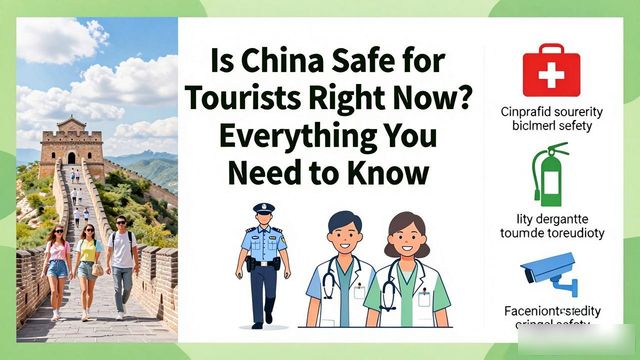
Health safety and emergency services
During the past few years, China has updated its health protocols and medical services to meet international standards. In major cities, hospitals have international departments with English-speaking staff. Pharmacies are common and sell basic medicines without a prescription.
Tap water is not safe to drink, but bottled water is cheap and available everywhere. Food safety has improved significantly. Street food is generally safe if it is cooked fresh in front of you. Restaurants in popular areas are regularly inspected.
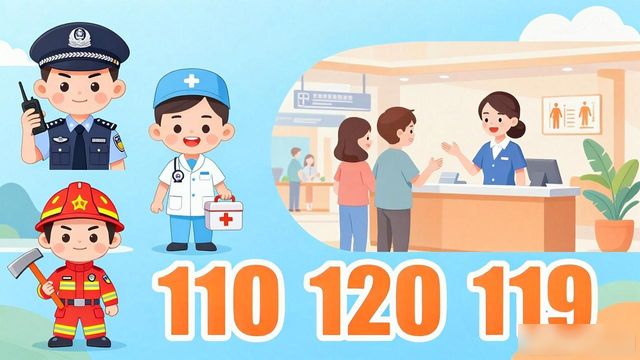
If you need help, dial 110 for police, 120 for ambulance, and 119 for fire. Many tourist information centers and hotels also offer emergency assistance. Travel insurance that covers medical evacuation is recommended, just in case.
Being safe in China mostly means being prepared—learn a few basic phrases in Chinese, keep a copy of your passport, and download a VPN before you arrive so you can use Google Maps and WhatsApp. Once you are there, you will find that the biggest risk is eating too much delicious food, not anything dangerous.