
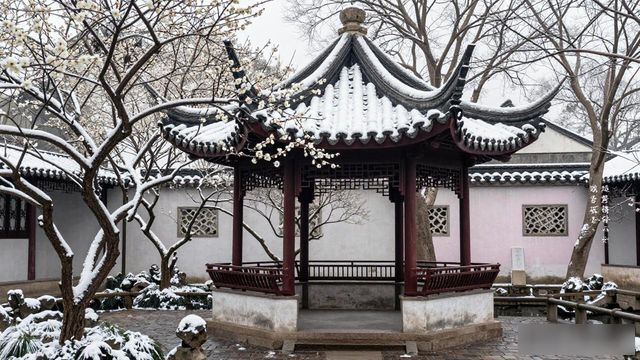
Suzhou Gardens are famous for their harmonious blend of water, rock, and architecture. Among these,the pavilions stand out as perfect spots for rest, reflection, and taking in the scenery. They are not just shelters—they are carefully designed viewpoints that frame nature like a living painting.
Why are the pavilions in Suzhou Gardens so unique

The pavilions in Suzhou Gardens are built with incredible attention to detail and symbolism. Each one has a distinct shape, roof style, and name that reflects a poem or a philosophical idea. For example, the “Fragrant Snow Pavilion” in the Humble Administrator’s Garden is designed to offer the best view of plum blossoms in winter. The curved eaves and open sides allow visitors to feel the breeze and hear the rain, making the experience deeply immersive.
Many pavilions also serve as focal points in the garden layout. They guide your eye and create a sense of balance. Whether you are standing in the Lingering Garden or the Master of the Nets Garden, you will notice that pavilions are placed to capture the best light or the most interesting reflection in the pond. This is no accident—it is the result of centuries of craftsmanship and aesthetic wisdom.
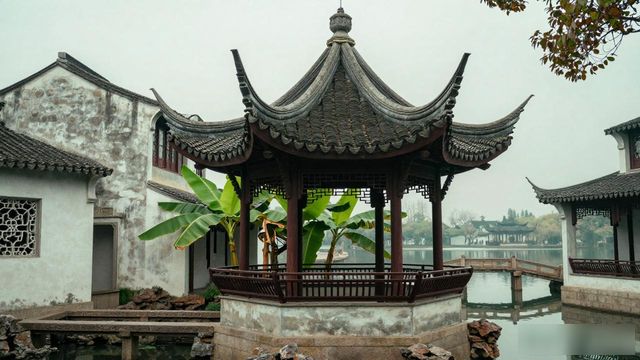
Which pavilions should you not miss during your visit
If you are visiting Suzhou for the first time, start with the “Pavilion of the Surging Waves” in the Surging Waves Pavilion garden. It is one of the oldest and offers a quiet spot to watch the water and hear the wind move through the bamboo. In the Humble Administrator’s Garden, do not skip the “Lotus Pavilion”—especially in summer when the pond is full of blooming flowers.
For a more intimate experience, the “Pavilion for Listening to the Rain” in the Master of the Nets Garden is a hidden gem. It is small and tucked away, but the sound of rain hitting the leaves around it is unforgettable. These pavilions are not just photo spots—they are places where you can slow down and connect with the garden’s spirit.
Suzhou Gardens pavilions are more than architecture. They are invitations to pause, observe, and appreciate the art of living with nature.