
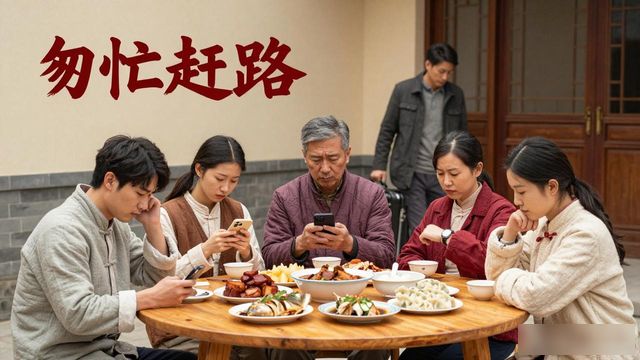
The Spring Festival is the most important occasion in Chinese culture, a time when families travel across the country to reunite under one roof. This annual tradition is not just about eating dumplings or watching the春晚, but about reconnecting with loved ones after a long year apart. For many foreigners living in China or those married into Chinese families, understanding the depth of this reunion can help turn a simple visit into a lasting memory.
Why Most Family Reunions Feel Rushed and How to Fix It

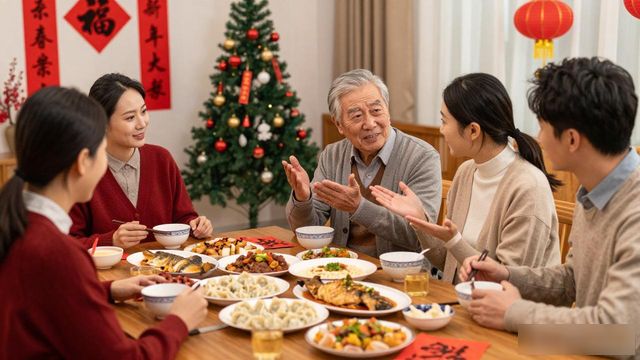
The biggest complaint I hear from friends and colleagues is that Spring Festival reunions feel like a blur of eating, drinking, and rushing from one relative’s house to another. You barely sit down before someone hands you tea, then it’s time for dinner, and before you know it, you’re back on a train. The core problem is that we treat the reunion as a schedule to complete rather than a relationship to nurture.
The fix starts with simplifying your itinerary. Instead of trying to visit every aunt,uncle, and cousin in three days, pick two or three meaningful gatherings and give each one real time. One day for the immediate family, one day for close friends or in-laws, and leave the rest open for spontaneous chats. This is especially practical if you are hosting a foreign partner or friend who is new to Chinese customs, as they won’t be overwhelmed by endless social obligations.
Another practical trick is to involve everyone in a single shared activity. Cooking together is the most natural one. Instead of having one person slave away in the kitchen, gather everyone to fold dumplings, stir-fry vegetables, or set the table. This not only lightens the workload but also creates natural moments for conversation. For example, ask your foreign guest to teach the family how to make a simple Western dish, and let your grandmother teach them how to wrap jiaozi. That exchange is the heart of a real reunion.
What to Do If Cultural Differences Create Awkward Moments
Many cross-cultural families worry about awkward silences or misunderstandings during the reunion. For instance, a foreign partner might not understand why a Chinese elder keeps offering them more food, or why they are expected to drink baijiu at 10 AM. These small frictions can snowball into tension if not handled gently.
The best approach is to prepare in advance. Talk to your family before the festival and explain any customs that might surprise your guest. For example, tell your mother not to be offended if the foreigner says “no thank you” three times before accepting food, it’s not rudeness, it’s just a different habit. Similarly, teach your foreign partner a few key phrases like “I’m full, thank you” or “Let me help you with that” in Chinese. These small efforts show respect and make everyone feel more comfortable.
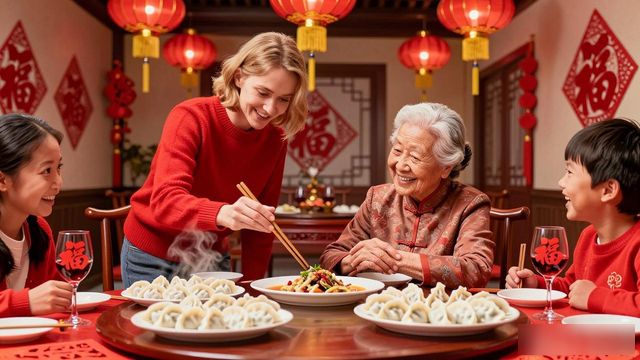
During the reunion itself, keep the atmosphere light. If a cultural misunderstanding happens, laugh it off together rather than letting it become a lecture. For example, if your foreign relative accidentally uses chopsticks to point at someone, simply smile and gently correct them without making a scene. Remember, the goal is not perfect behavior, but genuine connection. The most memorable Spring Festival stories are often the funny mishaps, not the flawless dinners.
Ultimately, a successful Spring Festival family reunion is not about how many courses you serve or how expensive the gifts are. It is about creating a space where everyone, regardless of background, feels welcomed and valued. When you leave the table, what you remember is not the food, but the laughter, the stories, and the feeling of belonging. That is the true spirit of the Spring Festival.