
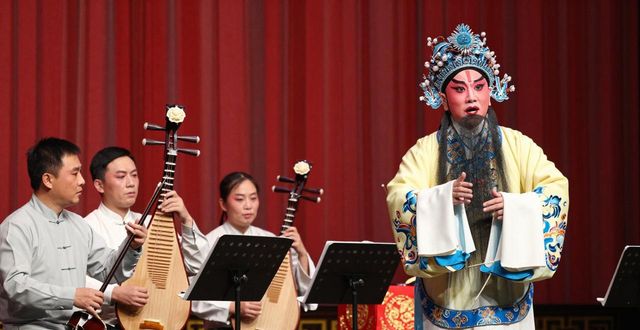
If you’ve ever heard the sharp clash of cymbals, the piercing notes of a falsetto voice, or seen a face painted in bold reds and blacks, you’ve already brushed against the world of Beijing opera. It is not just a performance—it is a living archive of Chinese history, values, and aesthetics, all compressed into one art form. For anyone outside China trying to understand its essence, the first step is to let go of expectations shaped by Western theater.
What does Beijing opera actually look and sound like

The first thing you notice is the sound. It is loud, high-pitched, and unapologetic. The music is built around a small ensemble of instruments: the jinghu (a two-stringed fiddle), the yueqin (a moon-shaped lute), and the bangzi (wooden clappers). Singers are trained to project through their nasal cavities, producing a sound that cuts through the noise of a crowded teahouse. This is not meant to be background entertainment—it demands your full attention.
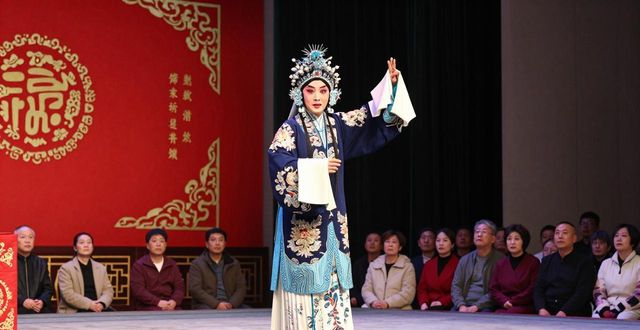
The visual side is just as intense. Costumes are layered with embroidered dragons, phoenixes, and floral patterns. Colors mean something. Red stands for loyalty,white for treachery, black for roughness, and gold for gods or supernatural beings. Every gesture, too, is coded. Twirling a sleeve can mean anger, while a slow, deliberate walk can signal deep thought. Nothing is random.
For a first-time audience, the biggest shock is often the pacing. A single scene can stretch for twenty minutes, with minimal plot advancement. But that is exactly the point. Beijing opera is not about rushing to a conclusion. It is about savouring the moment, the vocal acrobatics, the subtle movement of the eyes. If you go in expecting a fast story, you will be disappointed. If you go in willing to observe, you will be rewarded.
Why people still watch Beijing opera today
In a world of Netflix and short clips, Beijing opera might seem like a relic. Yet it still draws crowds—both older generations and, surprisingly, younger people. In major Chinese cities like Beijing, Tianjin, and Shanghai, dedicated theaters run regular shows. Many are nearly full on weekends. The audience is not just tourists. It includes students learning Chinese culture, artists looking for inspiration, and even office workers who see it as a form of escape.
One reason for its survival is that Beijing opera has adapted without losing its core. Some modern productions shorten the runtime, add subtitles in English, or blend in contemporary lighting design. A few experimental troupes have even fused Beijing opera with rock music or hip-hop. These attempts are controversial among purists, but they keep the form alive for a new generation.
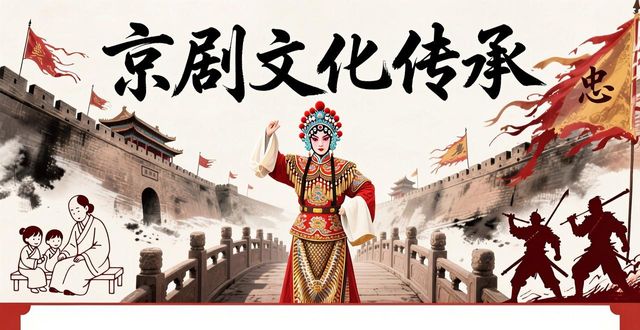
Beyond entertainment, Beijing opera serves a deeper function. It transmits moral lessons that are central to Chinese thought—filial piety, loyalty, justice, and the consequences of betrayal. The stories are often drawn from classical novels like “The Romance of the Three Kingdoms” or “Water Margin.” Watching a performance is like reading a history book, except with singing and acrobatics. For foreigners, it offers a rare window into how Chinese people have traditionally understood heroism and virtue.
The key is not to treat it as museum piece, but as a live conversation between past and present. You don’t need to understand every word. You just need to watch with open eyes and ears. And if you get the chance to see a live show, take it. The energy in the room, the way the audience holds its breath during a high note—that is something no screen can replicate.